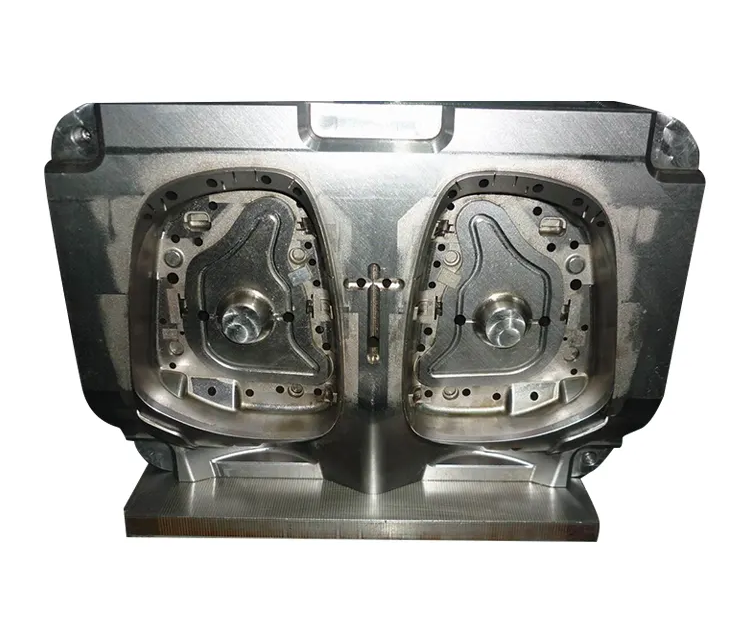
What are the most commonly used materials for car rear mirror molding?
Car rear mirrors often utilize ABS (Acrylonitrile Butadiene Styrene) for its durability, impact resistance, and ease of processing. However, depending on specific requirements such as temperature resistance or weight reduction, PC/ABS blends, polycarbonate (PC), or even specialized resins like thermoplastic elastomers (TPEs) for soft-touch parts may also be considered.
How does the design of the rear mirror affect the molding process?
The design should be optimized for molding, ensuring uniform wall thickness to prevent warping, adequate draft angles for easy ejection, and strategic placement of gates to minimize weld lines and improve flow. Additionally, the integration of electrical components or sensors requires careful design consideration to maintain functionality and aesthetics.
What level of precision is required for the molding of car rear mirrors?
High precision is crucial, as even slight deviations can impact fitment, functionality, and ultimately, driver safety. Tolerances are typically tight, often measured in microns, to ensure a seamless integration with the vehicle’s body and electrical system.
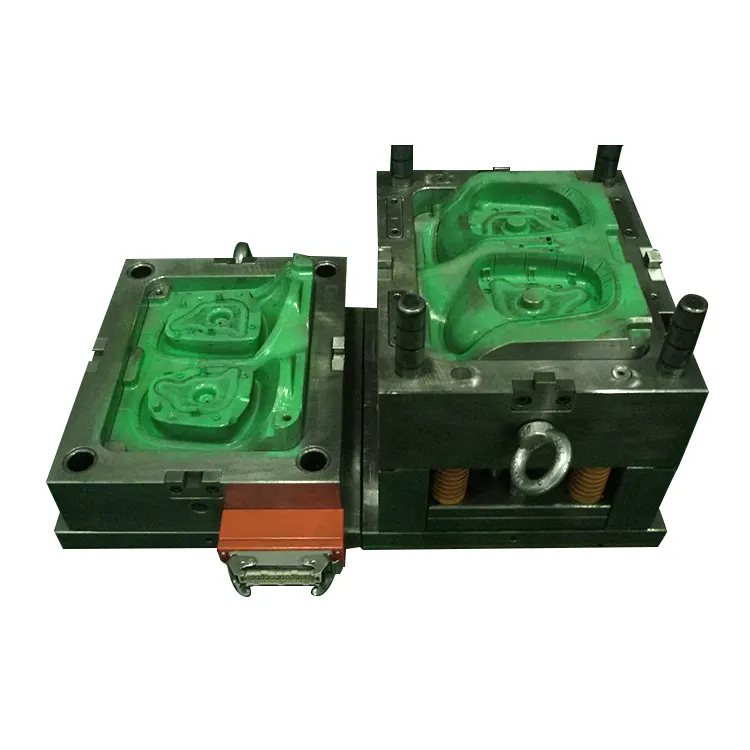

How is the surface finish of the rear mirror achieved during the molding process?
Surface finish can be controlled through mold polishing, material selection, and sometimes, post-molding treatments like texturing, painting, or coating. Mirror-like finishes may require special mold polishing techniques and material choices that support high gloss levels.
What factors influence the durability and longevity of the injection mold for car rear mirrors?
Mold durability depends on materials used (steel grades), mold design (cooling channels, ejector systems), and proper maintenance. High-quality steel alloys, effective cooling systems to reduce cycle times and prevent overheating, and regular maintenance such as cleaning and polishing contribute to mold longevity.

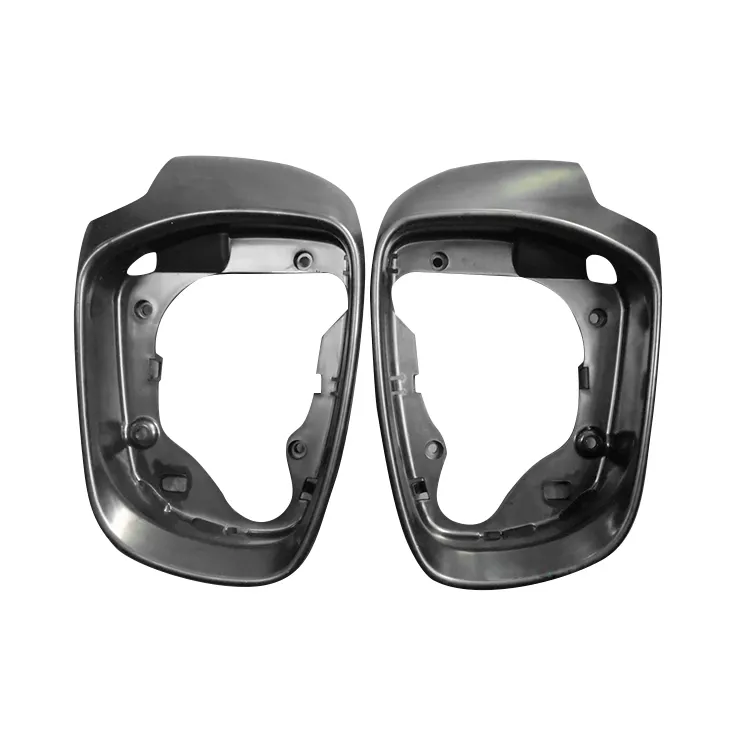
How is the molding process adapted to ensure compatibility with other components during assembly?
Collaboration with the vehicle manufacturer and other suppliers is essential. This includes sharing CAD data, conducting fit checks, and ensuring that all tolerances and interfaces align seamlessly. Mock-up assemblies may also be performed to identify and address potential issues early in the development process.
What quality control measures are in place to ensure the rear mirrors meet specifications?
A robust quality control system includes in-process inspections (e.g., gate trimming, flash removal), dimensional checks using precision instruments, and functional testing. Some manufacturers may also perform non-destructive testing (NDT) or visual inspections to catch any defects or imperfections.
Are you interested in Simulation Fish Bait Mould
Standards & References
The following industry standards are referenced in this article: