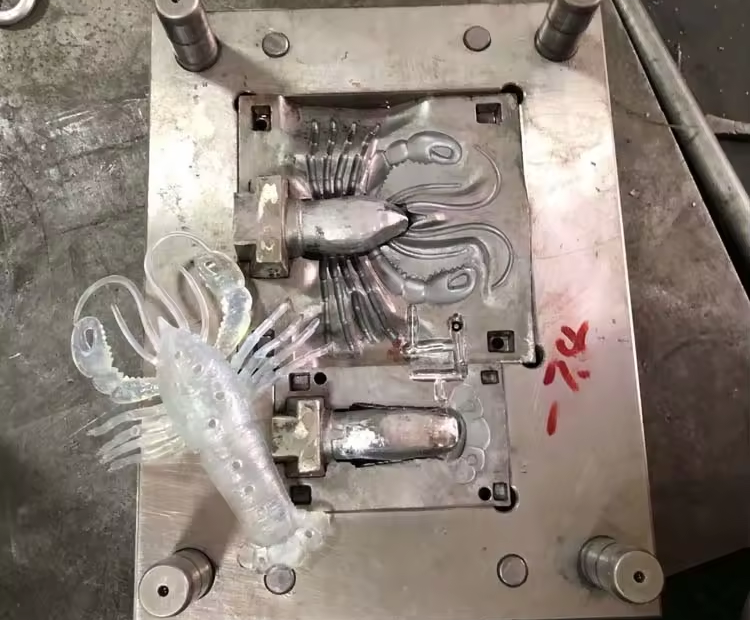
What is the process of Injection Molding for Simulation Fish Bait Moulds?
Injection Molding is a manufacturing process where melted plastic is injected into a mould cavity to create a solid object. For Simulation Fish Bait Moulds, this involves precise control over temperature, pressure, and timing to ensure the plastic flows evenly and cools rapidly, forming intricate details with minimal imperfections. Understanding this process helps customers appreciate the technical expertise required to produce high-quality lures.
How does the Injection Molding process affect the detail and realism of the lures?
The Injection Molding process is renowned for its ability to create extremely detailed and precise products. When applied to Simulation Fish Bait Moulds, this results in lures with sharp edges, intricate scales, and realistic textures that closely mimic the appearance of natural prey. The pressure and temperature control during the injection phase ensure that even the finest details are captured flawlessly.


What materials are typically used for Injection Molding Simulation Fish Bait Moulds?
Injection Molding Simulation Fish Bait Moulds are often made from durable, high-temperature resistant materials such as aluminum or steel. These materials ensure that the mould can withstand the high pressures and temperatures of the injection process without losing its shape or dimensional accuracy. The actual lure material, on the other hand, is typically a soft, flexible plastic like PVC or silicone, chosen for its ability to mimic the texture and buoyancy of natural prey.
Can Injection Molding Simulation Fish Bait Moulds be customized to specific shapes and sizes?
Yes, Injection Molding Simulation Fish Bait Moulds can be highly customized to suit the unique needs of anglers. From miniature worms to life-sized fish replicas, moulds can be designed and engineered to produce lures of various shapes, sizes, and colors. This level of customization allows anglers to target specific species and fishing conditions with greater precision.
How many lures can be produced with a single Injection Molding Simulation Fish Bait Mould?
The number of lures that can be produced with a single mould depends on its size, complexity, and the capacity of the injection molding machine. High-volume production runs can efficiently churn out thousands of lures per day, making Injection Molding an attractive option for commercial fishing operations or those seeking to stock up on their supplies.
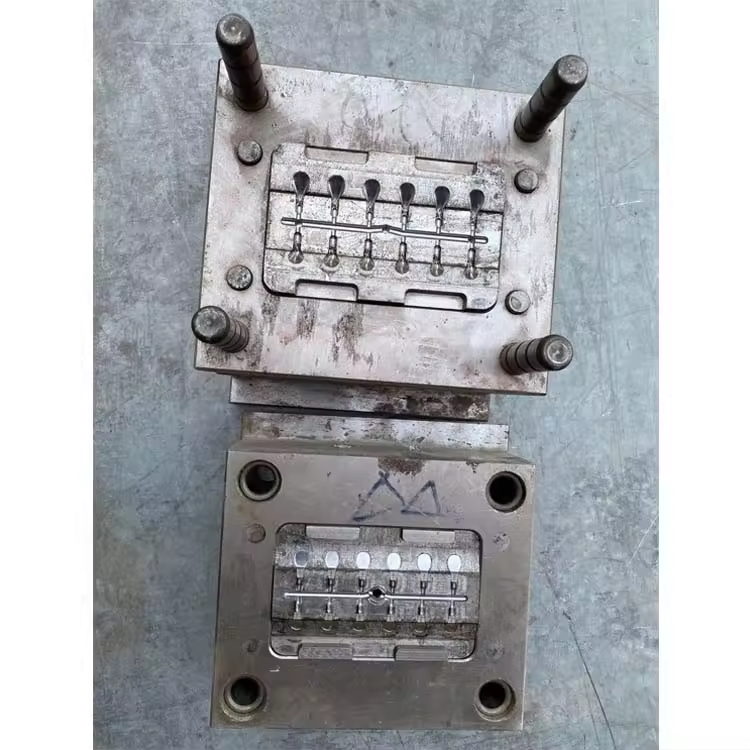
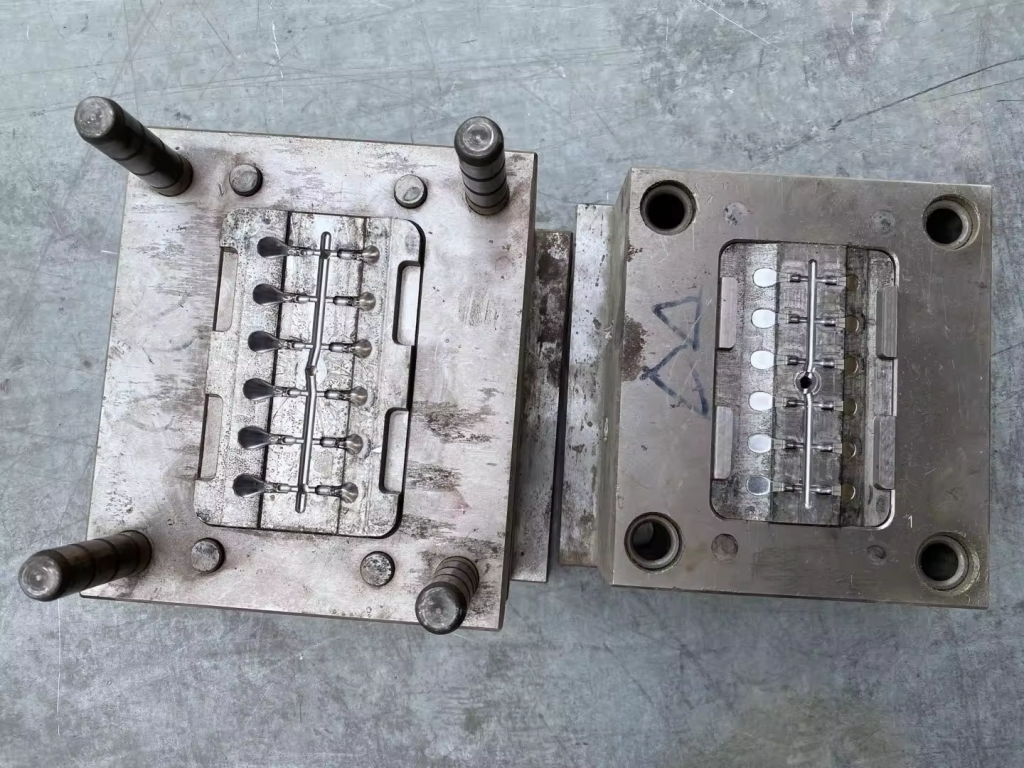
What is the lifespan of an Injection Molding Simulation Fish Bait Mould?
The lifespan of an Injection Molding Simulation Fish Bait Mould varies greatly depending on several factors, including the quality of the mould material, the care and maintenance it receives, and the frequency of use. Proper handling and regular maintenance can extend the mould’s lifespan significantly, while harsh conditions or improper use can shorten it. It’s essential to work with a reputable mould manufacturer who can provide guidance on how to maximize the mould’s durability.
How do I maintain and care for my Injection Molding Simulation Fish Bait Mould?
Maintaining and caring for your Injection Molding Simulation Fish Bait Mould involves regular cleaning to remove any residual plastic or debris that may accumulate during the production process. It’s crucial to use appropriate cleaning agents and techniques to avoid damaging the mould’s surface. Additionally, storing the mould in a dry, dust-free environment can help prevent corrosion and extend its lifespan.
In conclusion, Injection Molding Simulation Fish Bait Moulds offer anglers a powerful tool for creating highly realistic and customized lures. By understanding the key questions surrounding these moulds, customers can make informed decisions and select the best moulds to suit their fishing needs.
Are you interested in Control Dashboard Mold
Standards & References
The following industry standards are referenced in this article: