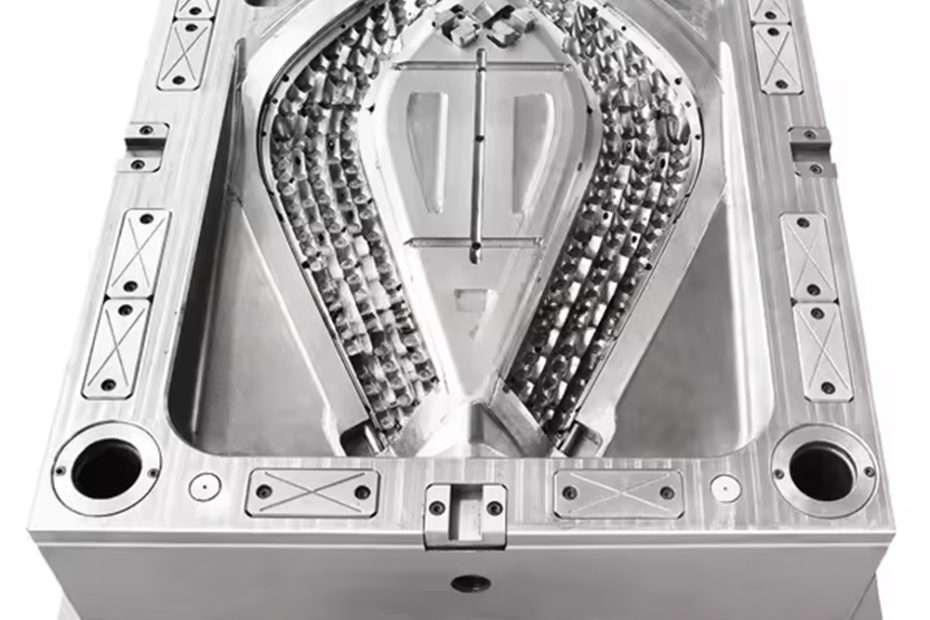
What materials are used for Car Headlight Mould?
Car Headlight Mould are typically constructed from high-quality tool steel, such as P20 or H13 steel. These materials are chosen because they can withstand the wear and tear from repeated use in injection moulding processes without losing their shape or causing defects in the finished headlight product.
How long do Car Headlight Mould last?
The lifespan of a car headlight mould varies based on the material used, frequency of use, and maintenance quality. On average, a well-maintained mould can produce thousands to tens of thousands of parts before needing refurbishment or replacement.
What is the process for designing a car headlight mould?
The design process for a car headlight mould starts with precise engineering drawings that consider the desired headlight’s dimensions, shape, and features. Engineers then create a detailed 3D model of the mould using CAD software, which guides the CNC machining process during manufacturing.
What are the key considerations for a successful car headlight mould design?
Key considerations for a successful car headlight mould design include the type of plastic material, gate locations for the melted plastic injection, the internal cooling system, ejection mechanism for the finished part, and draft angles for easy removal of the headlight after molding. Proper alignment and fit with other parts are also essential.
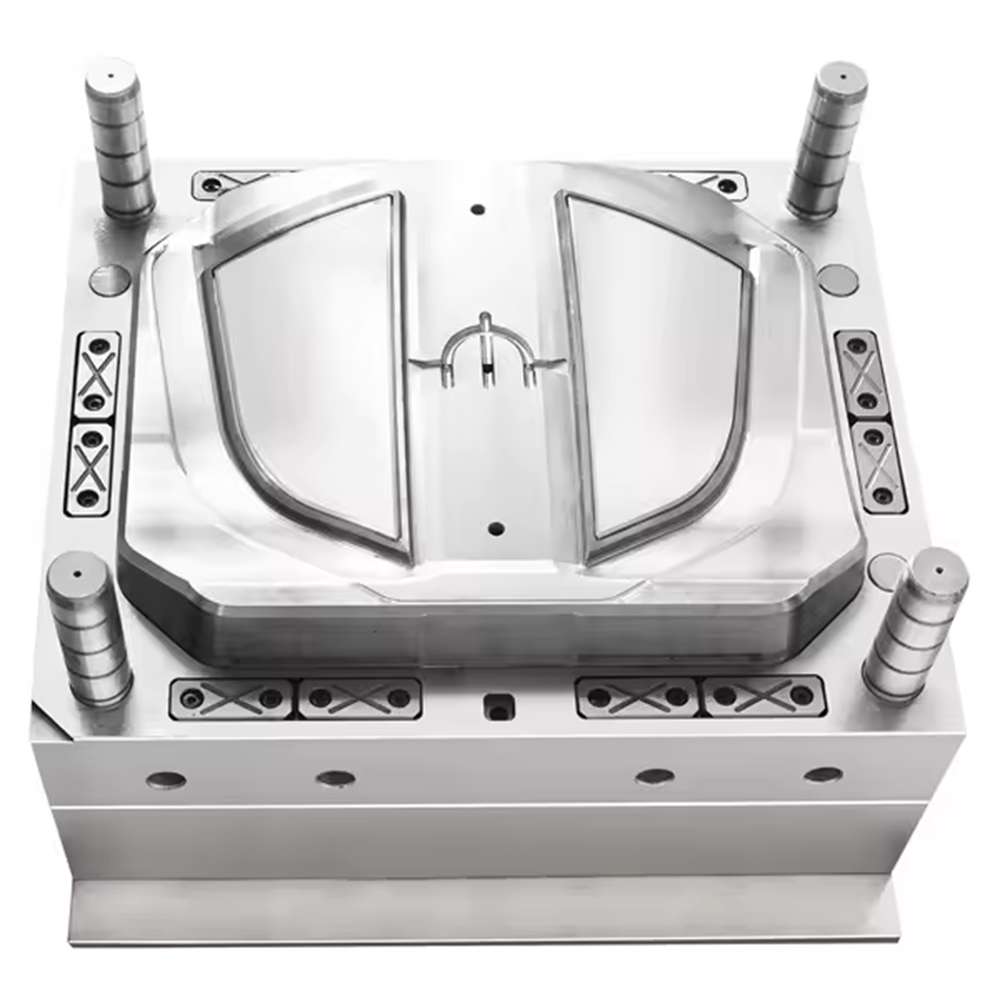

How are car headlight moulds manufactured?
Manufacturing a car headlight mould involves selecting and cutting the material, followed by heat treatment to achieve the necessary hardness. Precision CNC machining is then used to create the mold’s cavity and core according to design specs. After assembly and testing, the mould is ready for injection moulding machines.
How are car headlight moulds tested?
Before mass production, car headlight moulds go through rigorous testing for dimension accuracy, surface finish, and part functionality. Any flaws found are addressed before the mould is approved for use.

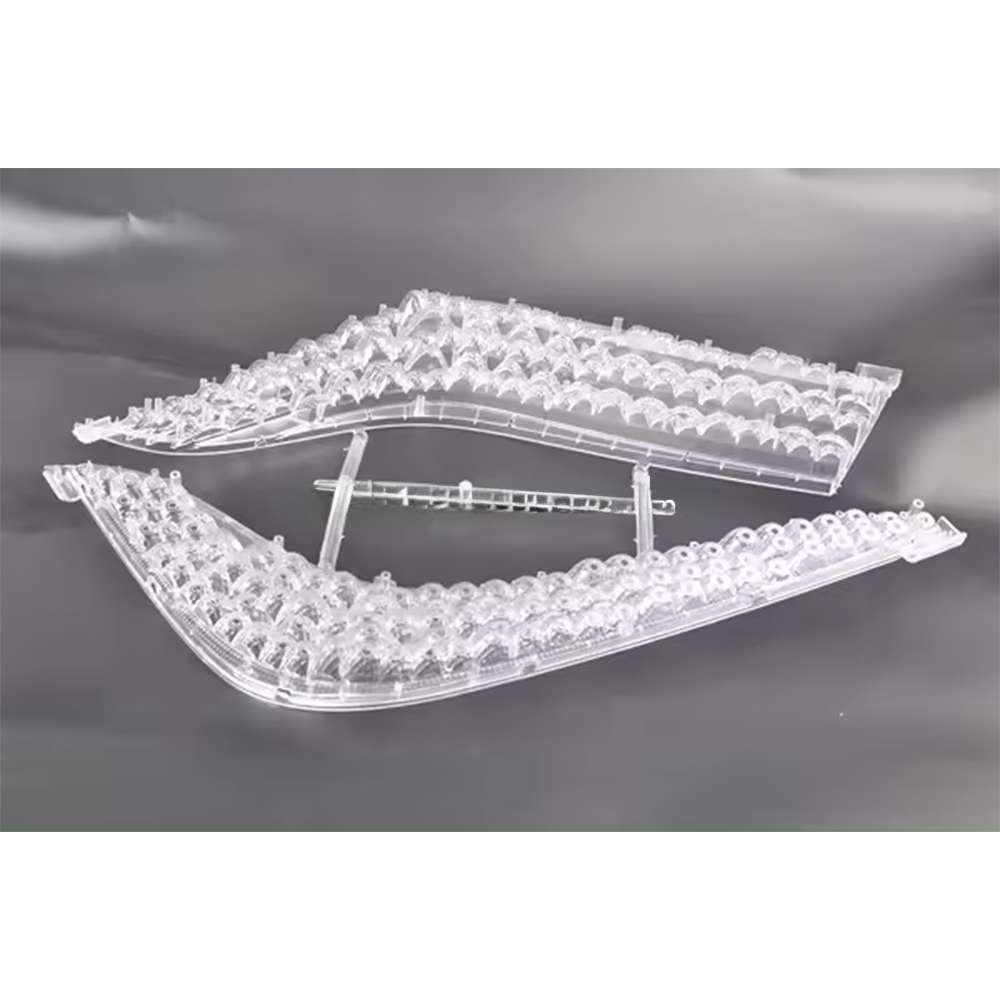
How are car headlight moulds maintained?
Routine maintenance for car headlight moulds includes cleaning, lubricating, and inspecting after each use. Regular checks for wear and tear should be performed, with necessary repairs done promptly to maintain performance and lifespan.
Can existing car headlight moulds be modified or customized?
Existing car headlight moulds can indeed be modified or customized to suit design changes or special requirements, depending on the original design and the mould’s structural integrity.
Are you interested in Sprayer Mould
Standards & References
The following industry standards are referenced in this article: