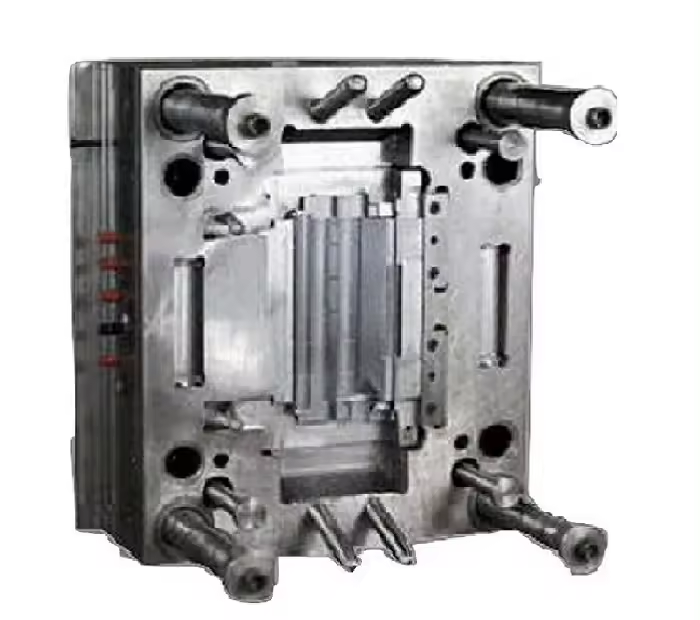
What materials ensure the best durability for sprayer molds?
For long-lasting sprayer molds, we prefer high-grade tool steels like P20 or H13. These materials withstand the intense heat and pressure during injection molding, preserving their quality even after many production cycles.
How do precision and consistency factor into your process for sprayer parts?
Precision is paramount, which is why our advanced CNC machining and milling equipment come into play, enabling us to create molds with exceptional accuracy. We also conduct mold flow analysis to optimize part consistency, and perform stringent quality control throughout the production to maintain the high standards critical for sprayer mechanisms.

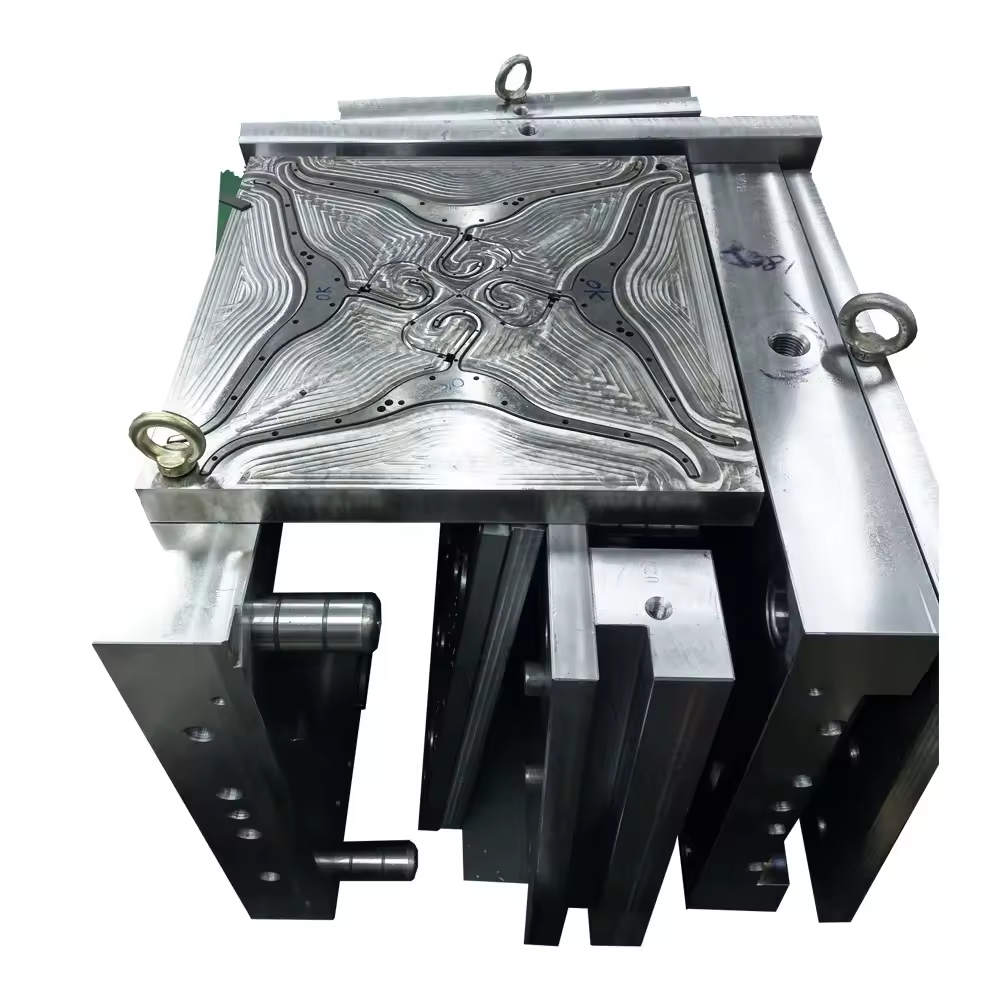
Can you adapt to custom designs for individual Sprayer Mould?
Our Sprayer Molds are typically made from high-grade tool steel, such as P20 or H13, which ensures durability and a high number of molding cycles. These materials can withstand the heat and pressure of the injection molding process without losing their integrity.
What is the normal lead time on a Sprayer Mould order?
Lead times can vary based on the complexity of the mold and our shop’s current workload. Nevertheless, our target is a 4-6 week turnaround from design approval to delivering the finished mold. We recognize the urgency of meeting deadlines and strive to minimize delays wherever possible.
If changes are needed after a mold has been created, how do you handle them?
Should modifications be necessary post-creation, our design team is well-equipped to make the required changes swiftly using CAD software. We keep the lines of communication open to guarantee that updates align perfectly with your needs and are implemented efficiently.
How do you approach cooling system design for Sprayer Mould?
Cooling systems are essential for maintaining the temperature of the mold and ensuring proper solidification of the parts. We strategically incorporate cooling channels within the mold design to enhance the cooling process without compromising the structural integrity or functionality of the sprayer components.
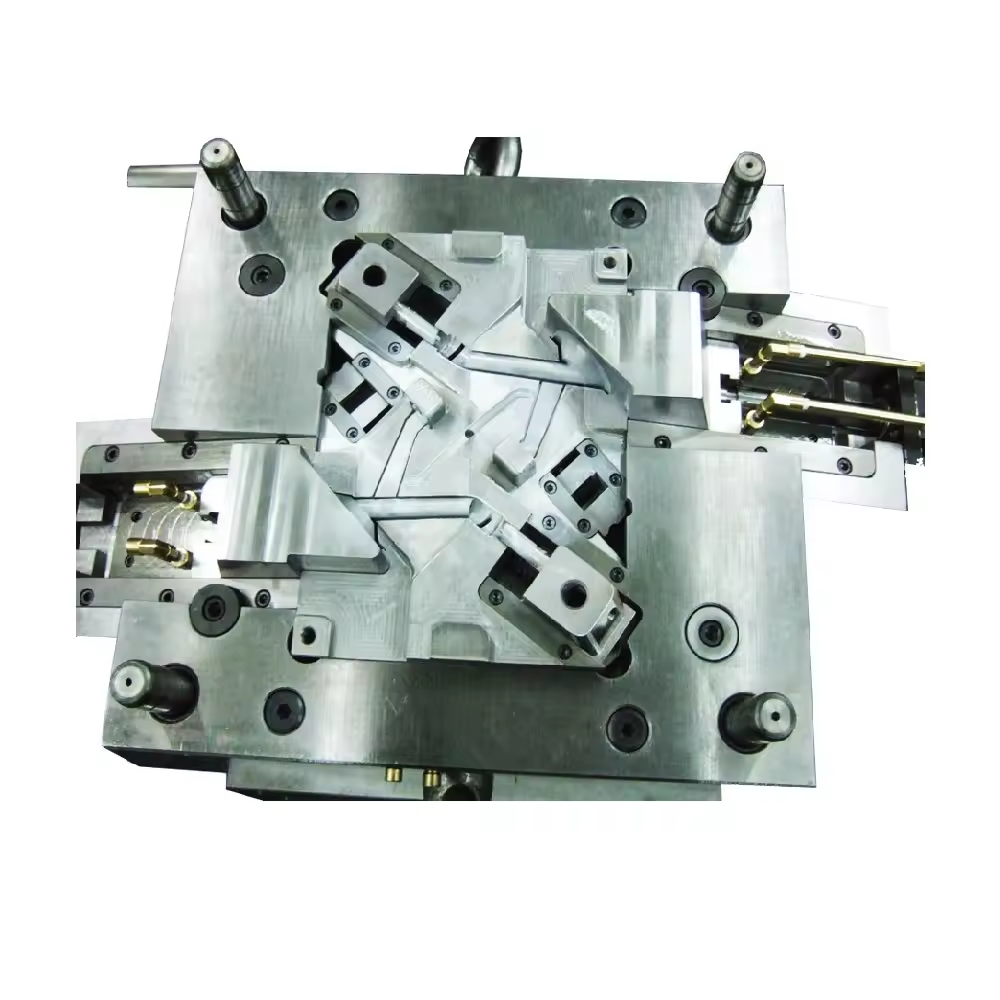

How do you prevent leaks and defects during the injection molding process?
We integrate ejection systems into our mold designs, allowing for the easy removal of finished parts without causing any damage. We focus on sealing surfaces meticulously and employ anti-leakage measures to prevent defects due to material seepage.
What kind of support do you offer after the molding process?
Post-molding, we extend comprehensive support, including rigorous testing of sprayer components to ascertain their functionality and durability. Additionally, we provide guidance on maintaining and caring for the molds themselves to prolong their life effectively.
Are you interested in Dustbin Mould
Standards & References
The following industry standards are referenced in this article: