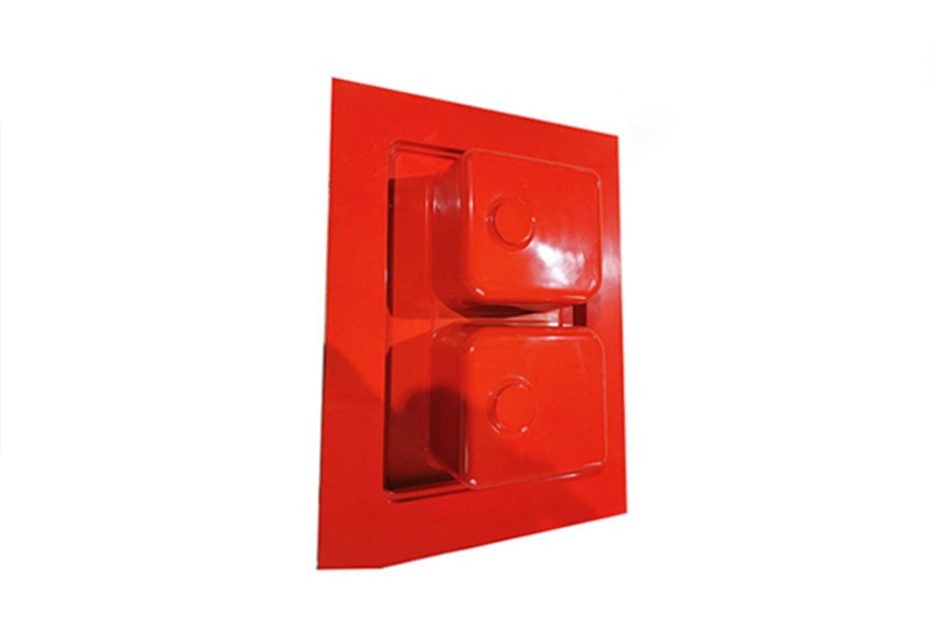
Key Considerations for HP-RTM Sink Mold
When it comes to manufacturing high-quality sinks, the use of High Pressure Resin Transfer Molding (HP-RTM) technology requires specialized molds. Customers looking to invest in sink molds for HP-RTM processes often have a range of inquiries about these tools. Here are some of the key questions customers typically ask:
How Reliable Are HP-RTM Sink Mold?
The reliability of HP-RTM molds is contingent upon their design, material quality, and the maintenance regime they are subjected to. Properly cared for, these molds can produce thousands of sink units without significant degradation in performance or product quality.
Advantages of HP-RTM for Sink Production:
- Quality Finish: Consistent surface on sinks.
- Structural Integrity: Even reinforcement distribution for strength.
- Design Flexibility: Capability to create complex designs.
Reliability of HP-RTM Sink Mold:
Proper design, material choice, and maintenance ensure these molds can produce thousands of units without performance degradation.
Customization Options:
Yes, molds can be customized to fit unique dimensions, features, or styles.
What to Look for When Buying:
- Compatibility with HP-RTM equipment.
- Production volume for sizing.
- Precision specifications.
- Manufacturer’s expertise.
- Cost-effectiveness in terms of initial and operational costs.
How Do You Maintain an HP-RTM Sink Mold?
Maintenance involves regular inspection for wear and tear, timely cleaning to prevent resin buildup, and appropriate storage to avoid damage. Lubrication might also be necessary depending on the type of resin used.
In conclusion, choosing the right HP-RTM sink mold is crucial for producing high-quality composite sinks efficiently. Ensure that your mold selection aligns with your production needs and quality standards to guarantee successful and sustainable manufacturing outcomes.
DevWing Mold by the devCad Team
Are you interested in WING PANEL MOLD FOR HP-RTM TOOLING
Standards & References
The following industry standards are referenced in this article: