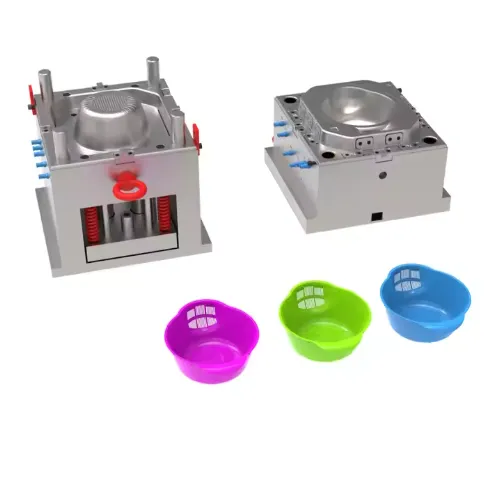
Introduction: The Critical Role of Vegetable Basket Molds in Modern Produce Supply Chains
As global demand for fresh produce grows—driven by urbanization and healthy eating trends—the humble vegetable basket has evolved from a simple storage tool to a critical component of efficient supply chains. Behind every durable, stackable, and food-safe vegetable basket lies a precision-engineered mold. In 2025, the global plastic mold market is projected to reach $14.13 billion, with a compound annual growth rate (CAGR) of 3.35%, according to industry reports. This growth is fueled by innovations in mold design, material science, and sustainability—trends that are reshaping how producers, retailers, and manufacturers approach vegetable storage and transportation.
This guide explores the latest advancements in vegetable basket molds, from high-performance materials to eco-friendly manufacturing practices, and explains how these innovations deliver tangible benefits for both businesses and the environment.
Key Features of High-Performance Vegetable Basket Molds
Precision Engineering for Durability and Consistency
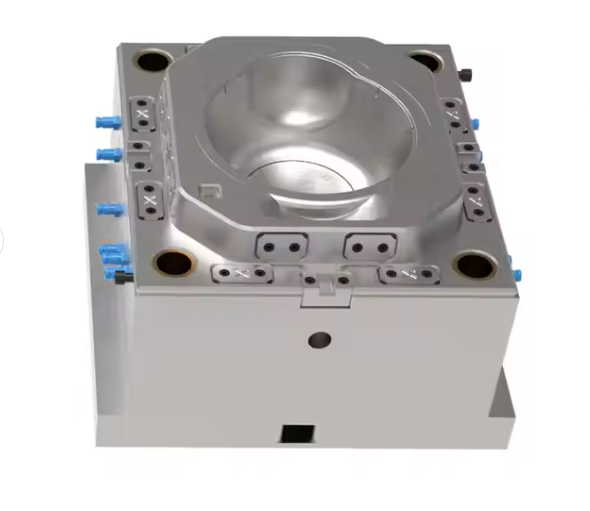
Modern vegetable basket molds are engineered to deliver exceptional precision, with tolerances as tight as ±0.02mm (ISO 2768 standards). This ensures that each basket maintains uniform dimensions, critical for stackability and space efficiency. For example, stackable designs—popular in supermarkets and logistics—can save up to 70% storage space when nested, reducing transportation costs and warehouse footprint.
Molds are also built to withstand high-volume production, with lifespans exceeding 500,000 cycles when properly maintained. This durability stems from advanced mold steels and heat-treated components, which resist wear even under continuous use.
Food-Grade Safety and Compliance
With increasing scrutiny on food contact materials, molds must adhere to strict regulatory standards. Leading manufacturers design molds compatible with FDA 21 CFR 177.1520 (U.S.) and LFGB (EU) requirements, ensuring baskets are free from BPA, phthalates, and other harmful substances.
Key compliance features include:
- Smooth surface finishes (Ra ≤ 0.8μm) to prevent bacterial growth and simplify cleaning.
- Chemical resistance to acids, alkalis, and food-grade detergents.
- Temperature stability to withstand pasteurization or cold-chain storage (-20°C to 121°C).
Innovative Design Trends for 2025
The mold industry is rapidly evolving to meet demands for sustainability and functionality. Top trends include:
1. Lightweighting Without Compromise
Advanced mold designs reduce basket weight by 15% through optimized wall thickness (1.2mm to 2.0mm) and rib structures, without sacrificing load capacity. For instance, a 600x400mm commercial basket can now hold 15kg of produce while weighing just 800g, cutting shipping costs and carbon emissions.
2. Modular and Customizable Molds
Manufacturers increasingly offer modular molds that accommodate interchangeable inserts, allowing quick design tweaks (e.g., handle shapes, drainage holes) without full mold replacement. This flexibility is ideal for seasonal produce packaging or branded retail baskets.
3. Antimicrobial and Self-Cleaning Surfaces
Emerging mold coatings, such as silver-ion infused polymers, inhibit microbial growth by up to 99.9%, extending produce shelf life and reducing food waste. This feature is particularly valuable for pre-cut vegetables and organic produce.
Applications Across Industries
1. Household and Kitchen Use
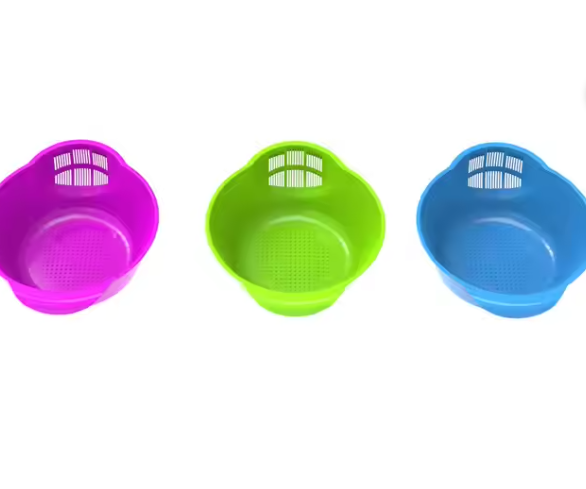
Residential vegetable baskets, designed for countertop storage and dishwasher compatibility, rely on molds that produce sleek, space-saving designs. Popular features include ergonomic handles, non-slip bases, and color-matched finishes. For example, a 35x25cm household mold might integrate drainage grids to prevent moisture buildup, keeping greens fresh for 3-5 days longer.
2. Commercial Retail and Supermarkets
Retail molds prioritize stackability, visibility, and branding. Open-grid designs improve air circulation, while reinforced edges withstand frequent handling. Some molds even incorporate RFID tag channels for inventory tracking, enhancing supply chain transparency.
3. Agricultural and Logistics
Heavy-duty molds for agricultural use produce crates that endure rough handling and extreme weather. These baskets often feature reinforced corners, UV-resistant materials, and nestable designs to minimize return shipping costs. A typical 60-liter logistics basket, molded for durability, can withstand 50kg dynamic loads and repeated stacking.
Sustainability: Eco-Friendly Molding Practices
Sustainability is no longer optional—consumers and regulators demand greener solutions. Leading mold manufacturers are responding with:
Recycled Materials Integration
Molds are increasingly compatible with recycled resins (e.g., PCR-HDPE with 30% post-consumer content). Advanced mold designs accommodate these materials’ unique flow properties, ensuring consistent part quality while reducing reliance on virgin plastics.
Energy-Efficient Production
Electric injection molding machines, paired with mold temperature control systems, reduce energy consumption by 20-30% compared to hydraulic systems. Additionally, hot-runner molds minimize plastic waste by eliminating runner scrap, cutting material usage by up to 15% per cycle.
Biodegradable Alternatives
While still niche, molds for biodegradable baskets (e.g., PLA-based materials) are gaining traction. These molds require specialized cooling systems to handle lower melting points, but they align with corporate sustainability goals and EU single-use plastic bans.
FAQ: Common Questions About Vegetable Basket Molds
Q1: How long does a vegetable basket molds typically last?
A: With proper maintenance (regular cleaning, lubrication, and wear-part replacement), high-quality molds can produce 500,000 to 1,000,000 baskets. Service life depends on material (e.g., PP vs. HDPE) and production volume.
Q2: Are custom mold designs available for unique basket shapes?
A: Yes. Manufacturers offer custom molds tailored to specific dimensions, handles, or branding. Lead times range from 4-8 weeks for prototypes and 12-16 weeks for full production molds.
Q3: What certifications are required for food-contact baskets?
A: Molds must comply with regional standards: FDA 21 CFR 177.1520 (U.S.), LFGB (EU), or GB 4806 (China). Reputable suppliers provide material safety data sheets (MSDS) and third-party lab test reports.
Q4: How can Vegetable Basket Molds improve basket sustainability?
A: Molds optimize material usage (e.g., thin-wall design), enable recycled resin compatibility, and support biodegradable materials. Some designs also integrate features like stackability to reduce transportation emissions.
Q5: What maintenance is needed for molds?
A: Regular maintenance includes cleaning resin residues, inspecting cooling channels for clogs, and replacing worn components (e.g., ejector pins). Annual professional servicing is recommended to extend mold life.
Conclusion: Investing in Quality Molds for Long-Term Success
As the produce industry evolves, the right mold partner becomes a strategic asset. High-performance molds deliver not just durable baskets, but also operational efficiencies, regulatory compliance, and sustainability gains. By prioritizing precision, safety, and innovation, businesses can meet consumer demands while reducing environmental impact.
Whether for household, retail, or agricultural use, the 2025 mold landscape offers solutions to elevate your basket production—driving profitability and responsible growth.