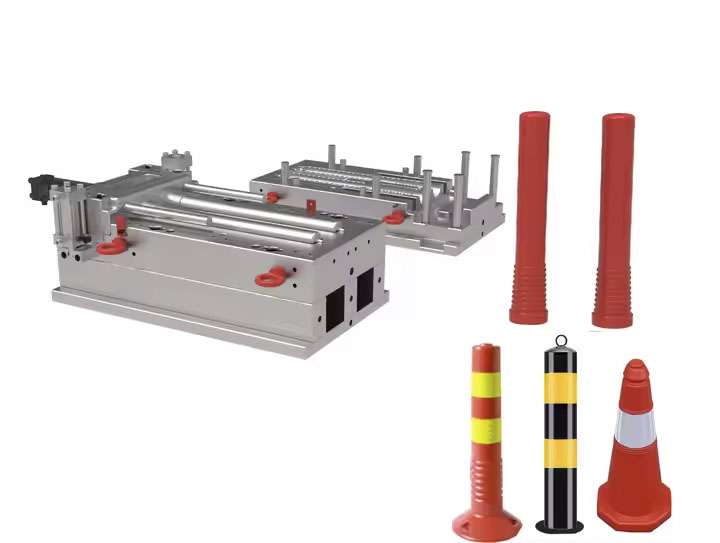
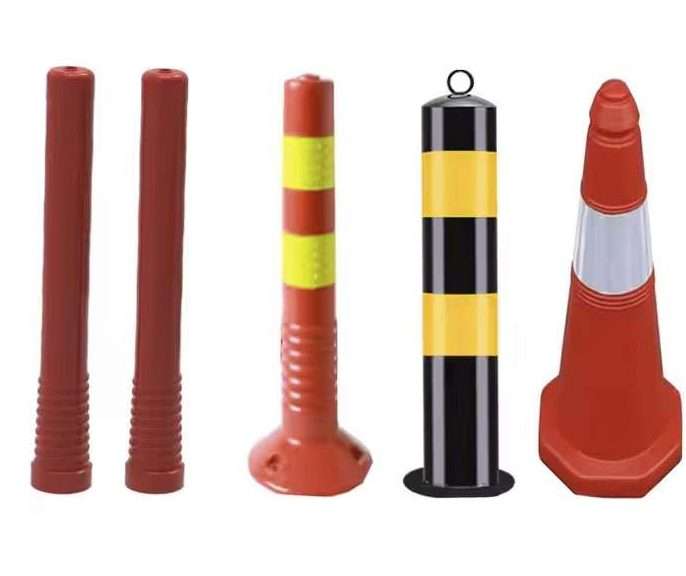
In traffic management systems, traffic warning posts are undoubtedly essential for ensuring road safety. They provide clear road guidance for drivers and pedestrians and play a crucial role in warning and guiding during emergencies. Behind these powerful warning posts are high-quality molds.
Importance of Traffic Warning Post Molds
Traffic warning post molds are the foundational tools for manufacturing high-quality warning posts. The precision and durability of the molds directly determine the quality of the warning posts. High-quality molds ensure that each warning post has consistent dimensions and shapes, performing excellently during installation and use. Additionally, superior molds can improve production efficiency, reduce production costs, and bring higher economic benefits to manufacturing companies.
material selection of Traffic Warning Post Molds
Choosing the right materials is critical for making high-quality molds. Common mold materials include high-strength steel, special plastics, and aluminum alloys. These materials must possess the following characteristics:
Wear Resistance: Molds need to withstand high-frequency friction during use, so they must have good wear resistance.
Corrosion Resistance: Traffic warning posts are usually exposed to outdoor environments, so mold materials need to be corrosion-resistant to ensure their lifespan.
High Strength: Mold materials must have sufficient strength to remain stable under high pressure and high temperatures.
Good Machinability: The machinability of the materials directly affects the manufacturing precision and efficiency of the molds.
Traffic Warning Post Molds Design
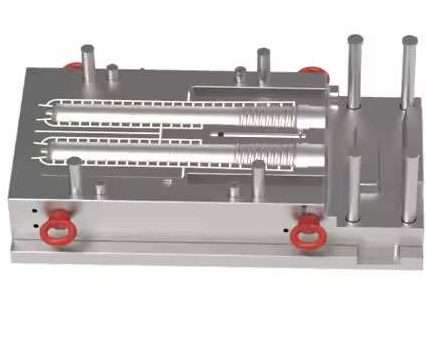
Traffic Warning Post Molds is the first step in mold manufacturing, determining the structure, function, and performance of the molds. During the design process, factors such as the size, shape, functional requirements, and production process of the warning post need to be comprehensively considered. Modern mold design often uses computer-aided design (CAD) software to optimize mold structures through 3D modeling and simulation analysis. Key design elements include:
- Precision Requirements: High-precision design ensures consistent quality and dimensions of the warning posts during production.
- Structural Rationality: Reasonable mold structure design can improve mold lifespan and production efficiency.
- Cooling System: The design of the cooling system directly impacts mold work efficiency and product quality. A good cooling system can accelerate production and ensure product molding quality.
Traffic Warning Post Molds Manufacturing Process
Traffic Warning Post Molds manufacturing is a complex and precise process, requiring multiple steps of strict control. Major steps include:
- Material Preparation: Cutting and processing mold materials based on design drawings to ensure that the material’s dimensions and shapes meet the requirements.
- Initial Processing: Using rough processing techniques to preliminarily process the mold materials, removing excess parts.
- Fine Processing: Using CNC machines, milling machines, and grinding machines to finely process the molds, ensuring the mold’s dimensional accuracy and surface finish.
- Heat Treatment: Heat-treating the molds to improve material hardness and wear resistance.
- Assembly and Debugging: Assembling the various parts into a complete mold and debugging to ensure the molds’ functions meet design requirements.
Traffic Warning Post Molds Application and Maintenance
High-quality molds can significantly improve the production efficiency and product quality of traffic warning posts once put into use. However, regular maintenance and upkeep are essential to ensure the long-term performance of the molds. Key maintenance measures include:
- Regular Cleaning: Keeping the molds clean to prevent dust and impurities from wearing the mold surface.
- Lubrication Maintenance: Lubricating moving parts of the mold to reduce friction and extend the mold’s lifespan.
- Regular Inspections: Regularly inspecting the mold’s wear condition and promptly repairing or replacing it to prevent damage from affecting production.
- Storage Environment: Storing the molds in a dry and ventilated environment when not in use to prevent rust.
What equipment is used in the manufacturing process of traffic warning post molds?
- CNC Machines (Computer Numerical Control): These are used for high-precision metal and plastic processing, ensuring the dimensions and shapes of mold components are accurate and consistent.
- Milling Machines: Primarily used for cutting and rough processing of mold materials, removing excess parts and preparing for subsequent fine processing.
- Grinding Machines: Employed for fine grinding of the mold surface, enhancing surface smoothness and ensuring mold quality.
- Lathes: Mainly used for machining cylindrical mold components, such as the mold core.
- EDM (Electrical Discharge Machines): Used for machining complex shapes and high-hardness mold parts by eroding metal with electrical discharges.
- Injection Molding Machines: Used for injection molding tests after the mold is completed to ensure the mold can produce qualified products.
- Heat Treatment Equipment: Applied to heat treat the mold materials, improving their hardness and wear resistance, and extending mold life.
- Coordinate Measuring Machines (CMM): Utilized for precision inspection of molds, ensuring that the dimensions and shapes of components meet design requirements.
- Assembly Equipment: Used for assembling and debugging various parts of the mold, ensuring that all functions of the mold meet expectations.
What should we pay attention to when assembling and debugging the mold?
When assembling and debugging traffic warning post molds, the following points should be noted: Firstly, inspect all components to ensure they are undamaged and meet design specifications. Secondly, ensure precise alignment of all parts, especially the core and cavity components. Use appropriate fasteners and apply lubrication to ensure smooth operation of moving parts. The cooling and venting systems must be properly designed and checked to ensure they work correctly. After assembly, conduct mold fitting tests to ensure all parts fit tightly.
During debugging, use empty mold tests and small batch injection tests to adjust process parameters to ensure product quality. Finally, correct any issues found during debugging and record all parameters and issues in a mold archive for future maintenance and use. These steps ensure the mold functions properly and produces high-quality traffic warning posts.
Can the traffic warning column mold be customized?
Our factory specializes in custom-made traffic warning post molds, offering high-precision and high-quality mold design and manufacturing services. Whether standard specifications or special requirements, we can tailor-make molds according to the specific needs of our clients, ensuring consistency and durability of the products. With advanced processing equipment and meticulous manufacturing processes, we are committed to providing superior mold solutions to support the efficient production and application of traffic safety facilities. If you have any customization needs, please feel free to contact us!