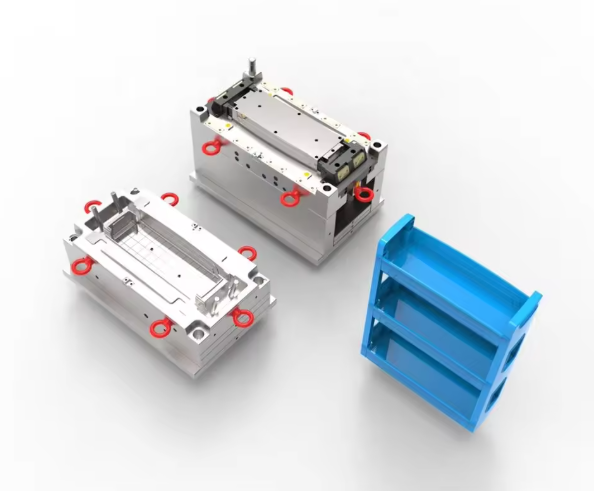
Storage rack molds play a critical role in the manufacturing of durable, high-quality storage systems used across industries worldwide. As the demand for efficient storage solutions continues to rise in warehouses, retail spaces, and industrial facilities, the importance of reliable storage rack molds becomes increasingly evident. These specialized molds determine the precision, strength, and longevity of the final storage products, making them a cornerstone of modern material handling infrastructure.
Among the various materials used in mold manufacturing, steel stands out as the preferred choice for storage rack molds due to its exceptional mechanical properties and durability. This comprehensive guide explores the key aspects of storage rack molds, focusing on steel as the primary material, and provides insights into their design, manufacturing, applications, and maintenance.
The Advantages of Steel in Storage Rack Mold Manufacturing
Steel has long been recognized as the ideal material for storage rack molds, offering a unique combination of strength, durability, and cost-effectiveness. The use of steel in storage rack molds ensures that the final products can withstand heavy loads, resist deformation, and maintain dimensional stability over extended periods of use. One of the primary benefits of steel storage rack molds is their ability to produce consistent, high-precision components with tight tolerances, which is essential for ensuring that storage racks can be easily assembled and disassembled. Additionally, steel molds provide excellent thermal conductivity, allowing for uniform cooling during the injection molding process, which reduces cycle times and improves production efficiency.
Another advantage of steel storage rack molds is their resistance to wear and tear, even under high-volume production conditions. Unlike other materials, steel molds can withstand the abrasive nature of molten plastics, ensuring a longer service life and reducing the need for frequent replacements. This durability translates to lower long-term production costs and higher overall productivity. Furthermore, steel storage rack molds can be heat-treated to enhance their hardness and toughness, making them suitable for manufacturing storage racks from a wide range of materials, including high-strength plastics and composites. The versatility of steel storage rack molds allows manufacturers to produce various rack designs, from simple shelving units to complex pallet racking systems, meeting the diverse needs of different industries.
Key Design Considerations for Storage Rack Molds
Designing effective storage rack molds requires careful consideration of several factors to ensure optimal performance and product quality. The structural integrity of the storage rack mold is paramount, as it must withstand the pressures of the injection molding process while maintaining precise dimensions. Engineers must carefully calculate the mold’s wall thickness, rib placement, and cooling channel design to prevent warping and ensure uniform material distribution. The choice of steel grade is also a critical design consideration; for example, high-carbon steel may be used for molds requiring exceptional hardness, while alloy steel might be preferred for its superior toughness and impact resistance.
Another important aspect of storage rack mold design is the incorporation of features that facilitate easy ejection of the molded parts. This includes the design of ejector pins, lifters, and slides, which must be positioned to avoid damaging the delicate features of the storage rack components. Additionally, the mold’s gate design—where the molten plastic enters the mold cavity—must be carefully planned to minimize weld lines and ensure proper filling. For storage rack molds, hot runner systems are often used to reduce material waste and improve production efficiency, especially for high-volume manufacturing.
The design of storage rack molds must also account for the specific requirements of the end product, such as load capacity, stackability, and compatibility with other storage system components. Mold designers work closely with manufacturers to understand the intended use of the storage racks, ensuring that the mold can produce parts with the necessary strength and dimensional accuracy. This collaborative approach helps optimize the mold design for both performance and cost-effectiveness, resulting in storage solutions that meet industry standards and customer expectations.
Manufacturing Processes for Steel Storage Rack Molds
The manufacturing of steel storage rack molds involves a series of precision processes to transform raw steel into a functional tool capable of producing high-quality storage components. The process typically begins with the selection of the appropriate steel material, which is then cut to size using advanced cutting technologies such as laser cutting or water jet cutting. This ensures the steel blanks are precisely shaped to match the mold design specifications. Next, the steel undergoes machining operations, including milling, drilling, and grinding, to create the intricate cavities and features of the storage rack mold. Computer Numerical Control (CNC) machines are commonly used for these operations, providing the high precision required for tight tolerances and complex geometries.
After machining, the steel storage rack mold components undergo heat treatment to enhance their mechanical properties. This process involves heating the steel to a specific temperature and then cooling it rapidly to achieve the desired hardness and durability. Heat treatment is crucial for ensuring the storage rack mold can withstand the repeated stresses of the injection molding process without deforming or wearing prematurely. Following heat treatment, the mold components are subjected to precision grinding and polishing to achieve the smooth surface finish necessary for producing high-quality storage rack parts with minimal defects.
The final step in manufacturing steel storage rack molds is assembly, where the various components—such as the cavity, core, ejector system, and cooling channels—are carefully fitted together. This stage also includes the integration of any auxiliary systems, such as hot runners or temperature control units, to optimize the molding process. Once assembled, the storage rack mold undergoes rigorous testing to ensure it meets all performance requirements, including pressure testing and trial runs with the actual plastic material. This comprehensive manufacturing process ensures that steel storage rack molds are capable of producing consistent, reliable storage components that meet the demanding standards of modern industries.
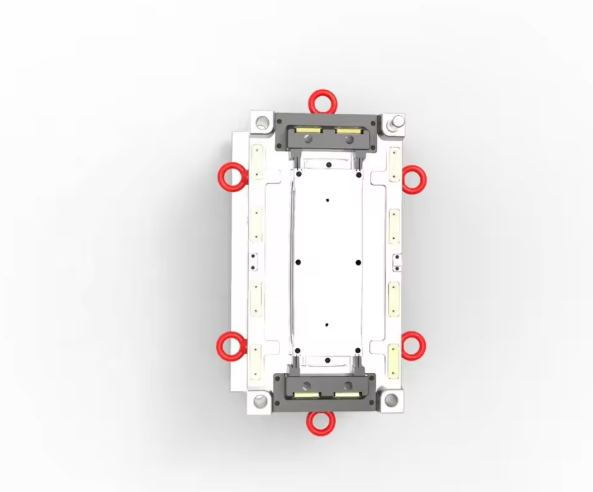
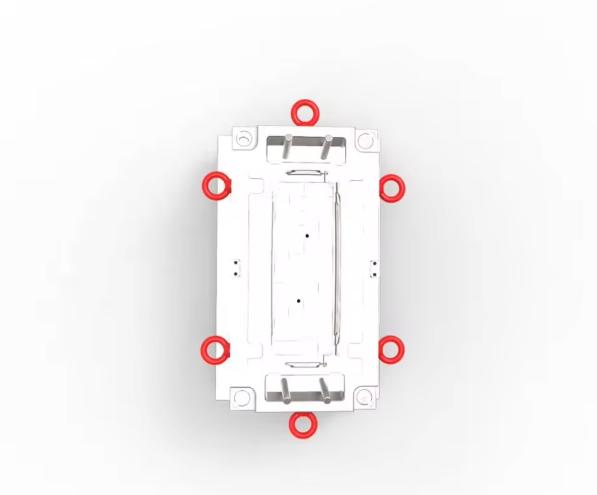
Applications of Storage Rack Molds Across Industries
Storage rack molds find extensive applications across a wide range of industries, each with unique requirements for storage solutions. In the warehousing and logistics sector, storage rack molds are used to produce heavy-duty pallet racks, cantilever racks, and drive-in racks capable of supporting large loads and maximizing storage space. These molds must be designed to withstand the production of robust, corrosion-resistant components that can endure the harsh environments of warehouses and distribution centers. The use of steel storage rack molds ensures that these racks maintain their structural integrity even under constant use and heavy loads, making them essential for efficient supply chain management.
The retail industry also relies heavily on storage rack molds to produce shelving units, display racks, and point-of-purchase displays. In this sector, aesthetics and versatility are often as important as functionality, so storage rack molds must be capable of producing components with smooth finishes and intricate designs. Steel molds allow for the precise replication of decorative features, such as textured surfaces or custom logos, which enhance the visual appeal of retail storage solutions. Additionally, the durability of steel storage rack molds ensures that manufacturers can produce large quantities of consistent, high-quality retail racks to meet the demands of busy retail environments.
Manufacturing facilities use storage rack molds to create specialized storage systems for raw materials, work-in-progress inventory, and finished goods. These racks are often designed to integrate with automated material handling systems, requiring precise dimensional accuracy and compatibility with robotics. Steel storage rack molds enable the production of components with tight tolerances, ensuring seamless integration with automated systems and improving overall manufacturing efficiency. The ability to customize mold designs allows manufacturers to create storage solutions tailored to specific industry needs, such as racks for automotive parts, electronic components, or pharmaceutical products, further demonstrating the versatility of storage rack molds across different sectors.
Maintenance and Care for Steel Storage Rack Molds
Proper maintenance and care are essential to extend the service life of steel storage rack molds and ensure consistent product quality. Regular inspection is the cornerstone of mold maintenance, involving checks for signs of wear, corrosion, or damage to critical components such as cooling channels and ejector pins. Any issues detected during these inspections should be addressed promptly to prevent further deterioration and costly downtime. For steel storage rack molds, in particular, it is important to monitor the condition of the mold’s surface finish, as scratches or dents can negatively impact the quality of the molded storage rack components.
Cleaning is another vital aspect of storage rack mold maintenance. After each production run, the mold should be thoroughly cleaned to remove plastic residue, which can accumulate and cause defects in subsequent parts. Specialized cleaning agents and tools, such as ultrasonic cleaners or abrasive pads, may be used depending on the type of residue and the mold’s steel grade. Additionally, the cooling channels of the storage rack mold must be regularly flushed to remove mineral deposits and ensure efficient heat transfer, which is critical for maintaining consistent cycle times and preventing part warping.
Preventive maintenance practices, such as lubrication of moving parts and periodic re-polishing of the mold cavity, can significantly extend the life of steel storage rack molds. Lubrication helps reduce friction between moving components like ejector pins and slides, preventing premature wear and ensuring smooth operation. Re-polishing the mold cavity maintains the desired surface finish of the storage rack components, which is especially important for retail applications where aesthetics matter. For long-term storage, steel storage rack molds should be coated with a rust inhibitor and stored in a controlled environment to protect against corrosion.
By implementing a comprehensive maintenance program, manufacturers can maximize the productivity and reliability of their storage rack molds, ensuring they continue to produce high-quality components for years to come.
Conclusion
Steel storage rack molds are indispensable tools in the production of high-quality, durable storage solutions that drive efficiency across various industries. Their robust construction, precision design, and ability to withstand the rigors of high-volume manufacturing make them essential for meeting the demands of modern warehousing, retail, and manufacturing sectors. By leveraging the unique properties of steel—such as strength, durability, and thermal conductivity—storage rack molds ensure that the resulting products meet strict performance standards, offering reliable storage solutions that enhance operational efficiency.
FAQ
Q1: What makes steel the preferred material for storage rack molds?
Steel is ideal for storage rack molds due to its exceptional strength, wear resistance, and thermal stability. It withstands high injection pressures and maintains dimensional precision over thousands of production cycles, ensuring consistent quality for storage rack components.
Q2: How long does a typical steel storage rack mold last?
With proper maintenance, a steel storage rack mold can last 500,000 to 1,000,000 shots. Heat-treated steel grades and regular maintenance (e.g., cleaning, lubrication) extend lifespan by minimizing wear from molten plastic flow.
Q3: Can steel storage rack molds produce different rack designs?
Yes, steel molds offer design flexibility for various storage solutions, including pallet racks, cantilever racks, and shelf units. Advanced machining allows for intricate features like reinforced ribs, interlocking joints, and custom hole patterns to meet specific load requirements.
Q4: What maintenance steps are critical for steel storage rack molds?
Key maintenance includes regular cleaning to remove plastic residue, inspection of cooling channels for blockages, and lubrication of moving parts (ejector pins, slides). Periodic surface polishing preserves the mold’s finish, ensuring smooth part release.
Q5: How does steel mold design impact storage rack load capacity?
Mold design directly influences structural integrity. Steel molds with optimized rib placement, uniform wall thickness, and precision cooling produce rack components with consistent material distribution, enhancing load-bearing capacity and resistance to warping under heavy loads.
>>You may also like
Standards & References
The following industry standards are referenced in this article: