
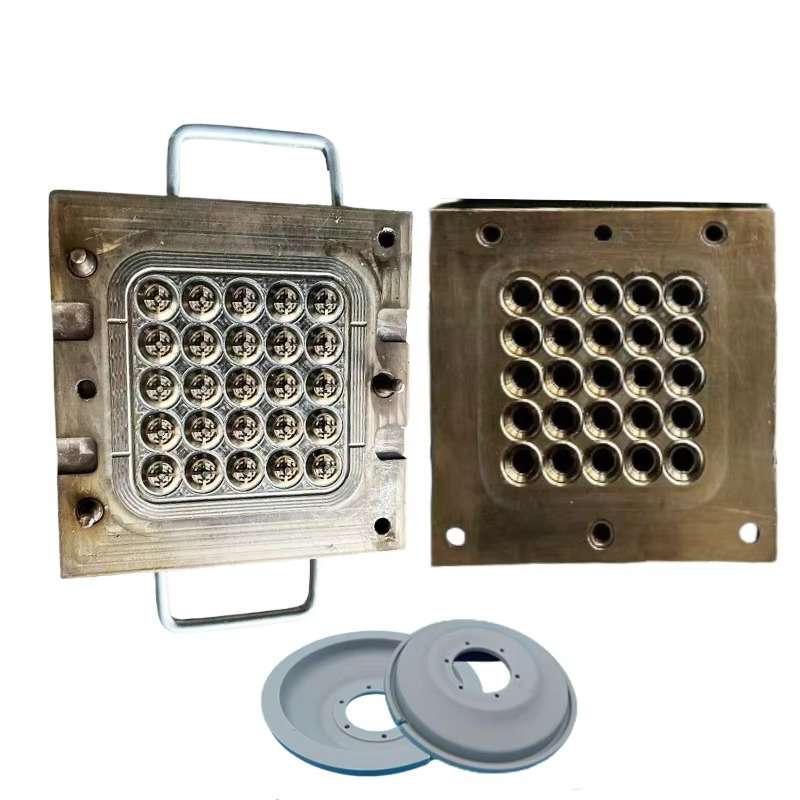
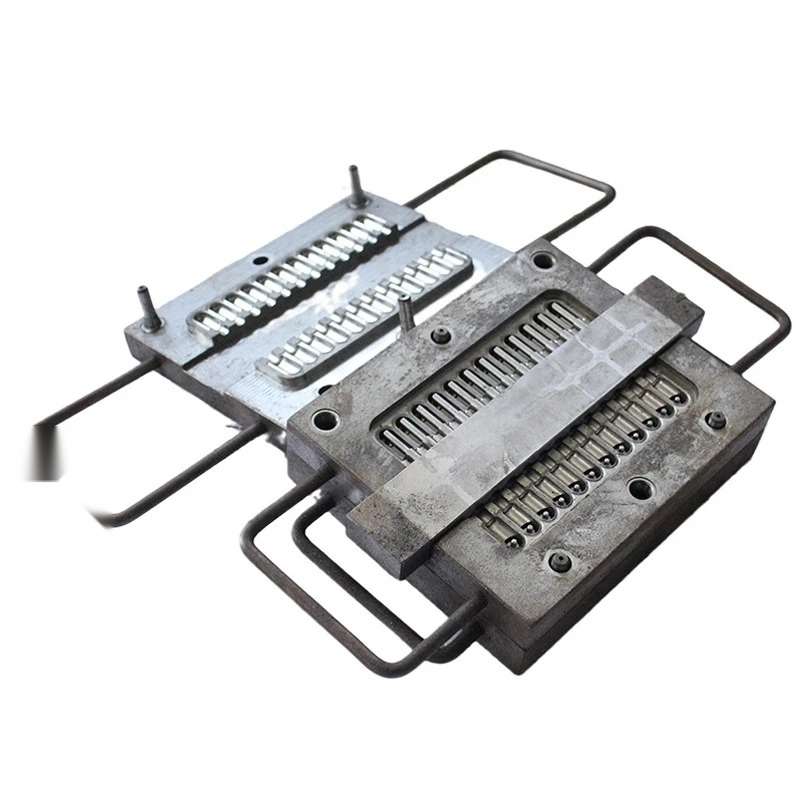
SMC vs BMC Mold Design Key Differences Explained represents an important area in industrial composite applications.
Understanding the Technology
This article explores key aspects of smc vs bmc mold design key differences explained in industrial applications. The technology has evolved significantly over the past decade, driven by demands for better corrosion resistance, lighter weight, and lower total cost of ownership compared to traditional materials like steel and aluminum.
Key Benefits and Performance Advantages
FRP and SMC composite products offer a unique combination of properties: corrosion immunity across the full pH range, 70% weight reduction versus steel, electrical non-conductivity, high strength-to-weight ratio, and zero maintenance requirements over a 25+ year service life. These benefits translate directly to lower installed cost and reduced lifecycle expense.
Application Considerations and Best Practices
When specifying these products, consider: operating temperature range, chemical exposure environment, mechanical loads (static and dynamic), UV exposure, fire rating requirements, and applicable industry standards. Proper material selection at the specification stage prevents costly field failures and ensures the full design life is achieved.
| Feature | FRP/SMC Composite | Traditional Material |
|---|---|---|
| Corrosion Resistance | Excellent — immune to most chemicals | Limited — requires protective coating |
| Weight | 70% lighter than steel | Heavy; higher transport and install cost |
| Service Life | 25+ years | 10-15 years with maintenance |
| Maintenance | None required | Regular painting/inspection needed |
| Installation | Lightweight; no heavy equipment | Crane or mechanical handling required |
| Lifecycle Cost | Higher initial; lower over 25 years | Lower initial; higher maintenance cost |