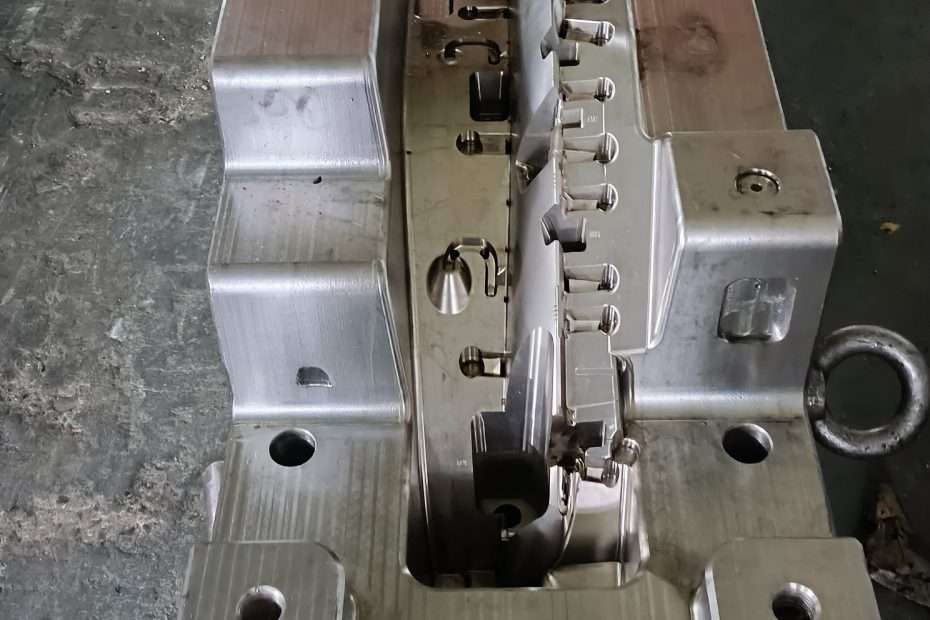
Every SMC mold designer carries a mental list of mistakes they will never make again — lessons learned through scrapped parts, emergency repairs, and angry calls from production. These 7 mistakes account for the majority of SMC mold performance problems, and they are all preventable during the design phase. Fixing them in CAD is free; fixing them in hardened steel costs thousands.
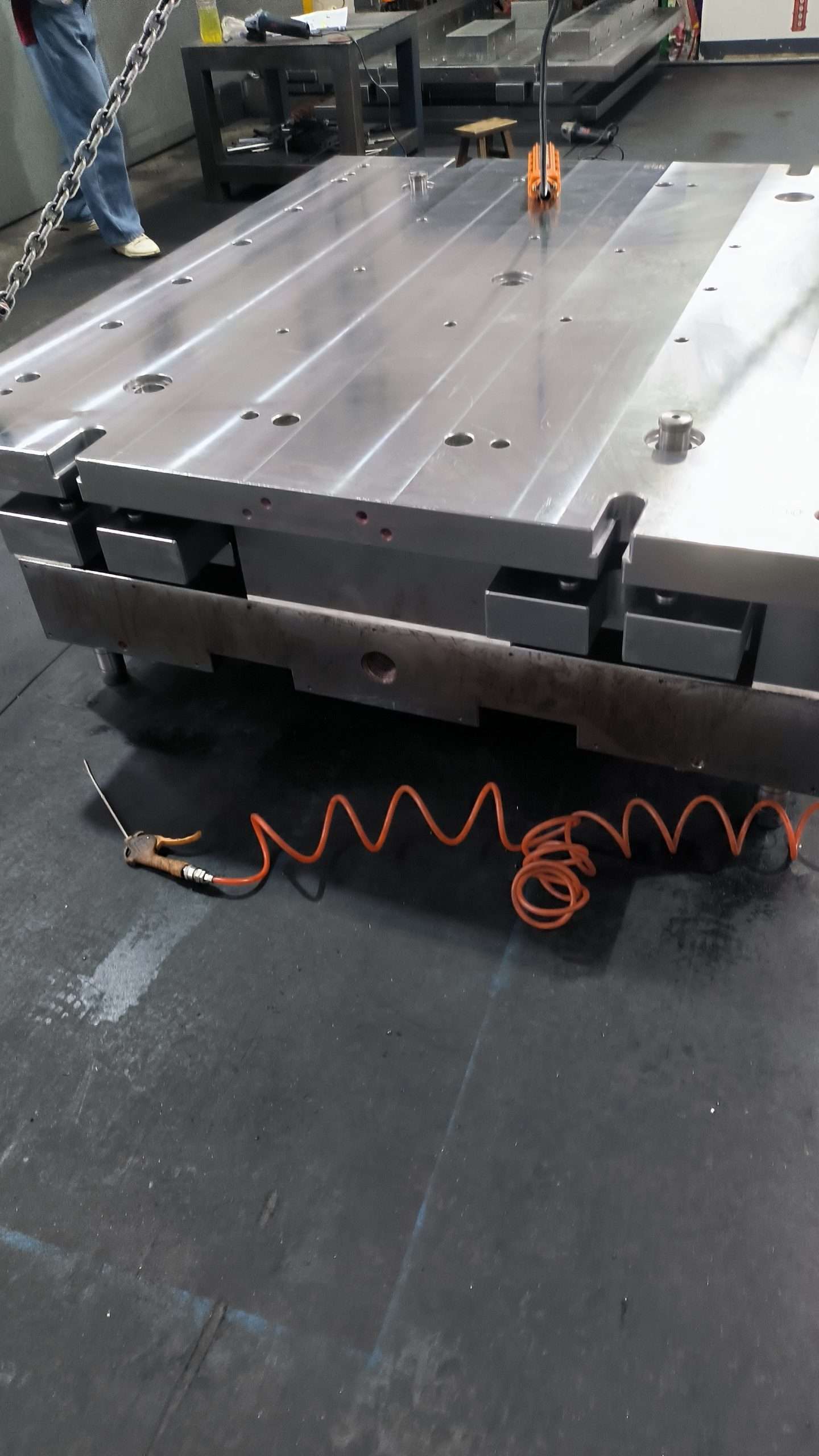
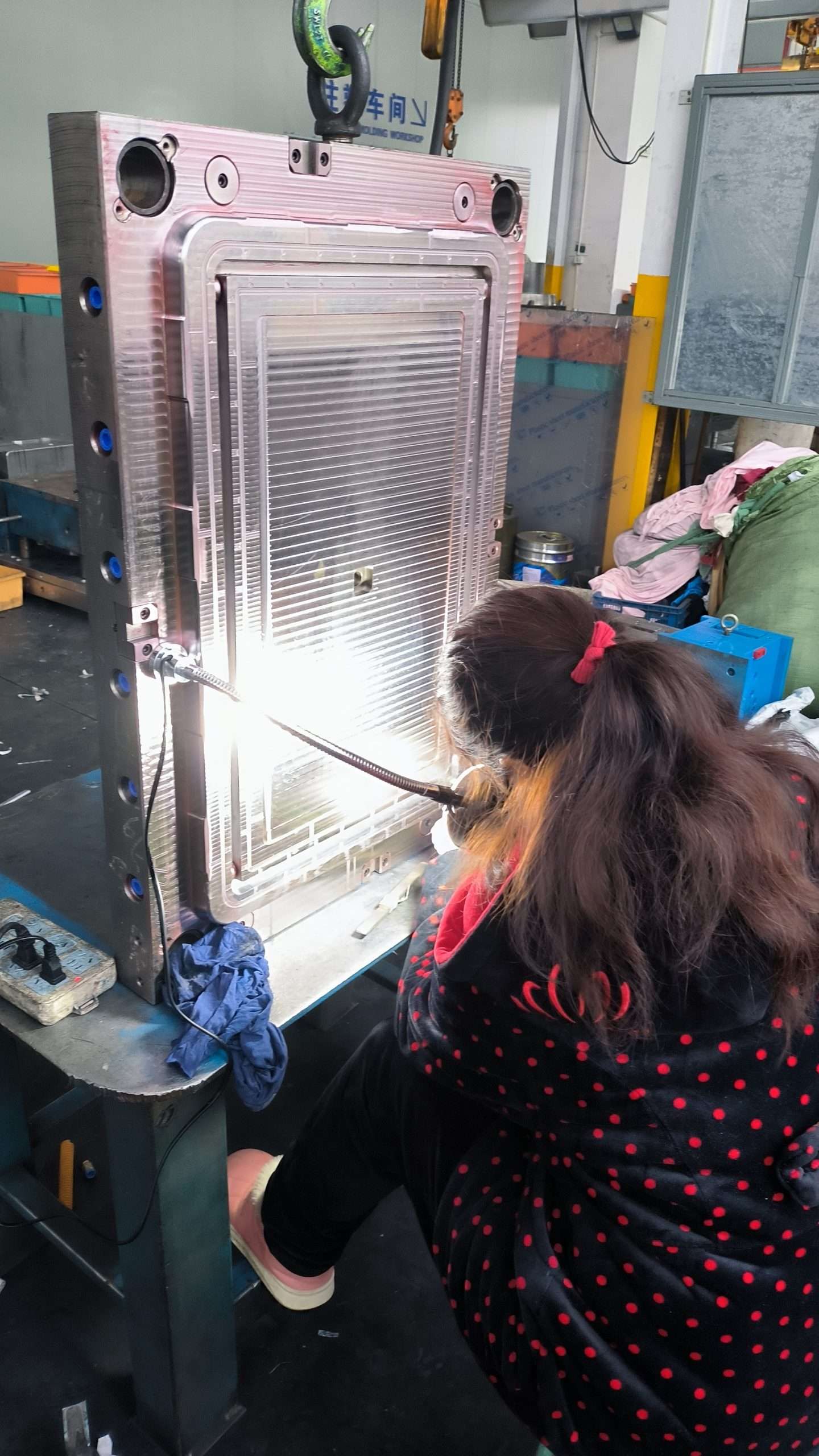
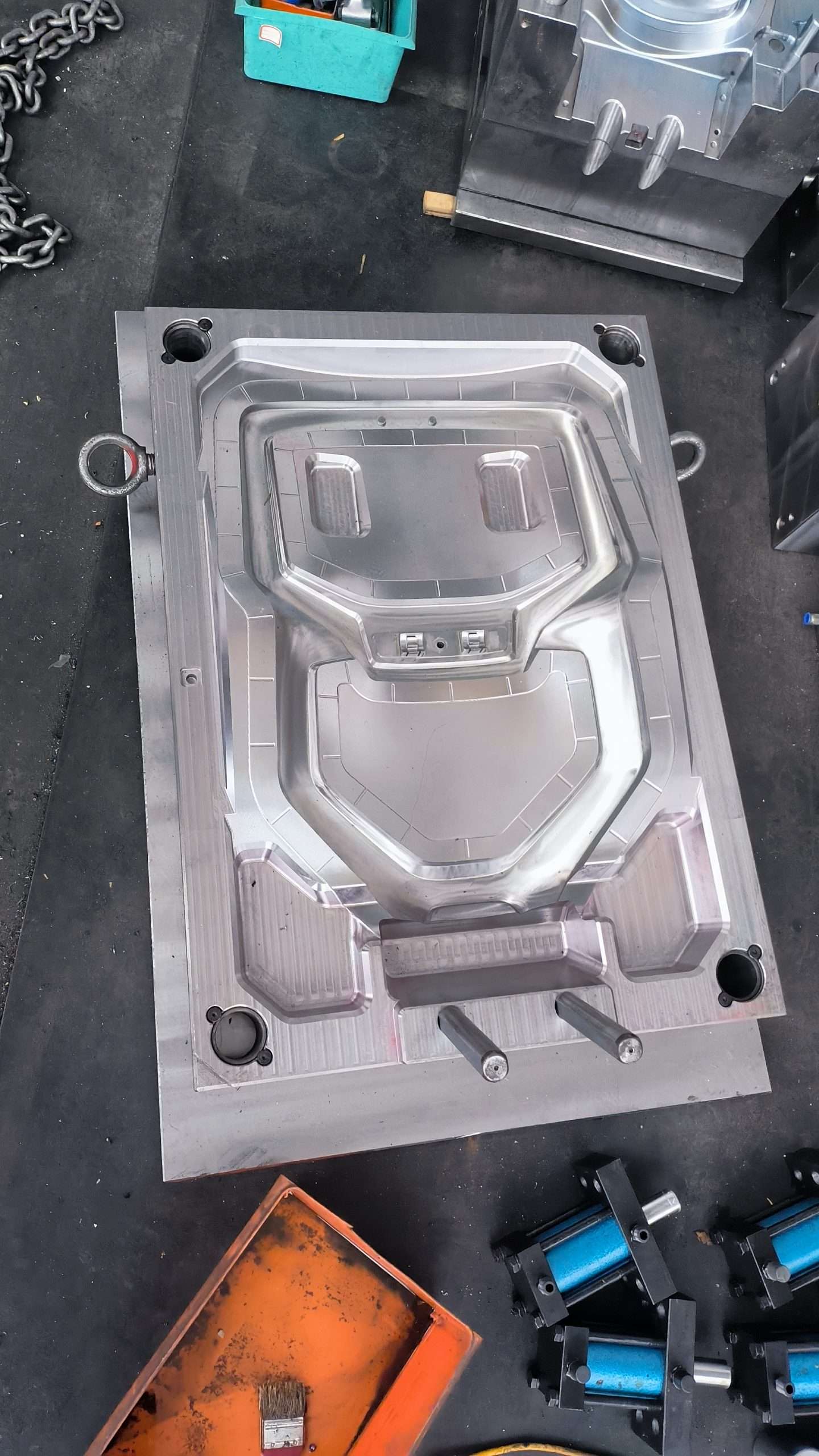
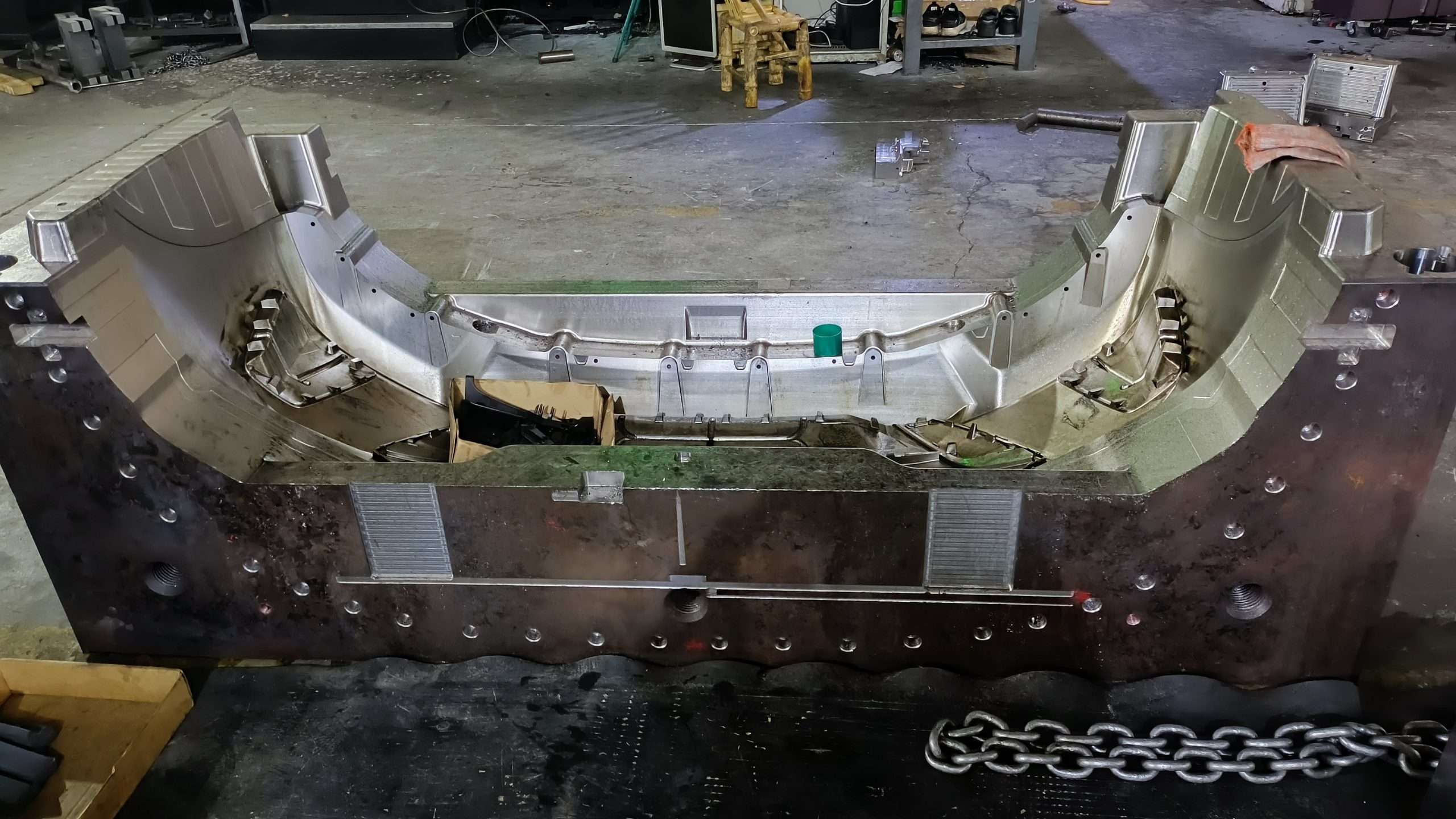
Why Experience Matters in SMC Mold Design
SMC mold design sits at the intersection of mechanical engineering, polymer chemistry, and manufacturing economics. The mold is a pressure vessel, a heat exchanger, and a precision forming tool in one. Textbooks cover the basics; the failure modes that cause 80% of production problems come from field experience.
#1 Integral Shear Edges Instead of Replaceable Inserts
The shear edge takes more abuse than any other mold component. Designing it as an integral part of the cavity means that when it wears, repairing it requires re-machining the entire cavity. A replaceable D2 or M2 tool steel insert hardened to 58–62 HRC can be swapped in hours for a few hundred dollars. Specify replaceable shear edge inserts on every production mold.
#2 Inadequate Venting Causing Surface Porosity
Surface porosity at the flow front — the most common SMC defect — is almost always a venting problem. Relying on the shear edge clearance alone as the vent path guarantees trapped air. Proper vent grooves (0.05–0.08 mm deep, 6–10 mm wide, spaced every 50–75 mm) at the last areas to fill are essential.
#3 Ignoring Thermal Expansion at Operating Temperature
An SMC mold at 150°C is approximately 0.15% larger than at room temperature in every dimension. Designing clearances for room temperature means they close up at operating temperature, causing galling and accelerated wear. Design all clearances for steady-state operating conditions.
#4 Heater Placement Optimized for Cost, Not Temperature Uniformity
Spacing heaters to minimize the number required creates temperature valleys that warp parts. Position heaters 40–60 mm from the cavity surface, uniformly spaced with maximum 75 mm between centers. The money saved on three fewer heaters is lost ten times over in warped parts.
#5 Undersized Ejector Systems
SMC parts shrink onto the core, creating stiction that can exceed 50% of the part’s tensile strength. Design ejectors for 150% of calculated force, and distribute pins to push on flat, thick sections — never on ribs or thin walls.
#6 Approving Molds Based on Ideal Toolroom Conditions
A mold that runs perfectly with the best technician and ideal SMC may fail in production. The tryout must include worst-case conditions: varying SMC viscosity, off-center charge placement, and production-realistic cycle times.
#7 Skipping Chrome Plating to Save Money
For a mold expected to run 50,000+ cycles, chrome plating ($3,000–8,000) adds less than $0.16 per part and extends mold life by 3–5×. Only skip chrome for prototype molds under 5,000 total cycles.
Mistake Prevention Summary
| Mistake | Symptom in Production | Design-Phase Fix | Cost to Fix After Build |
|---|---|---|---|
| Integral shear edge | Flash after 20K cycles | Replaceable D2 inserts | $3K–8K |
| Inadequate venting | Surface porosity | Vent grooves every 50mm | $1K–3K |
| Thermal expansion ignored | Galling at startup | Design for 150°C clearance | $2K–5K |
| Poor heater placement | Warped parts | FEA thermal simulation | $5K–15K |
| Undersized ejectors | Part sticking | 150% safety factor | $3K–10K |
TSTAR Mold designs SMC molds with replaceable shear edge inserts, FEA-verified venting and heating, and chrome plating as standard for production tools. Our design review catches these 7 mistakes before steel is cut.