
Rim Protector Mould Material:
The choice of material for the Rim Protector Mould is crucial. High-grade steel is commonly used due to its durability and ability to withstand the high temperatures and pressures involved in plastic injection molding. Customers should inquire about the type of steel used and its heat resistance, wear resistance, and corrosion resistance properties.
Rim Protector Mould Design:
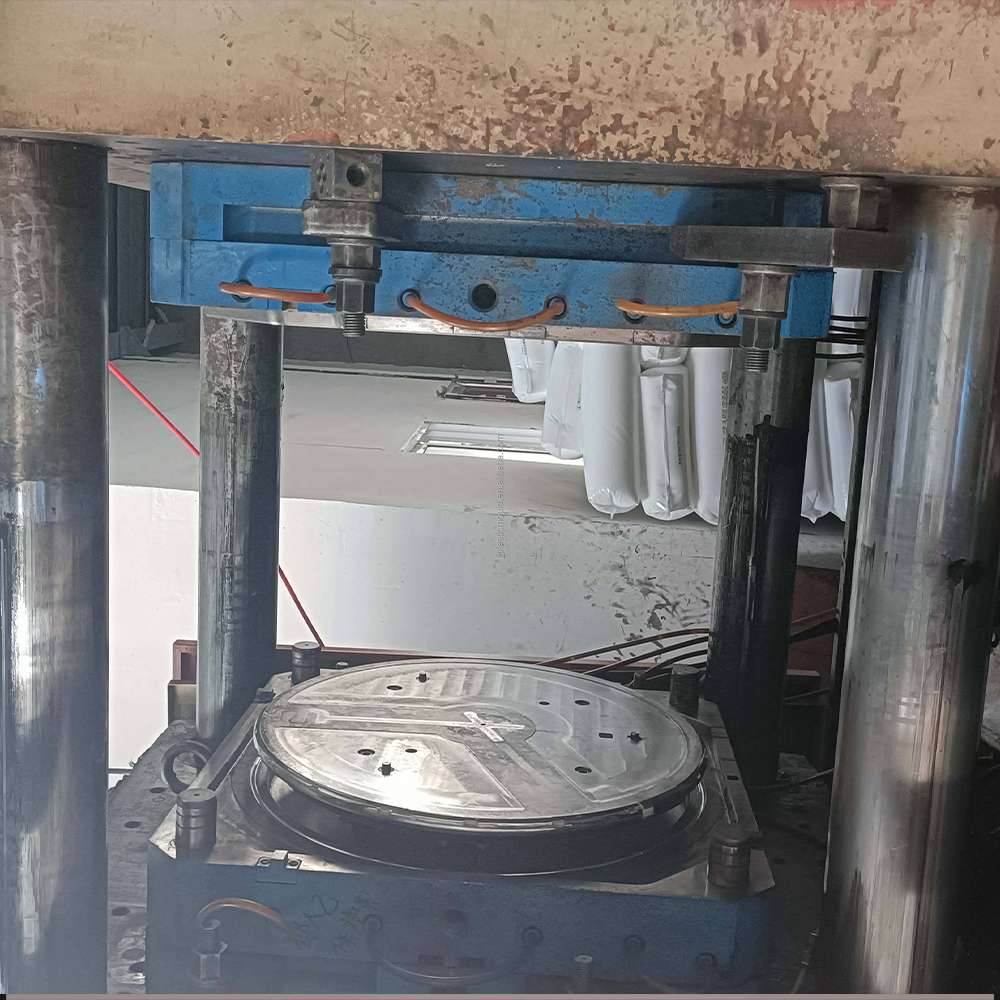
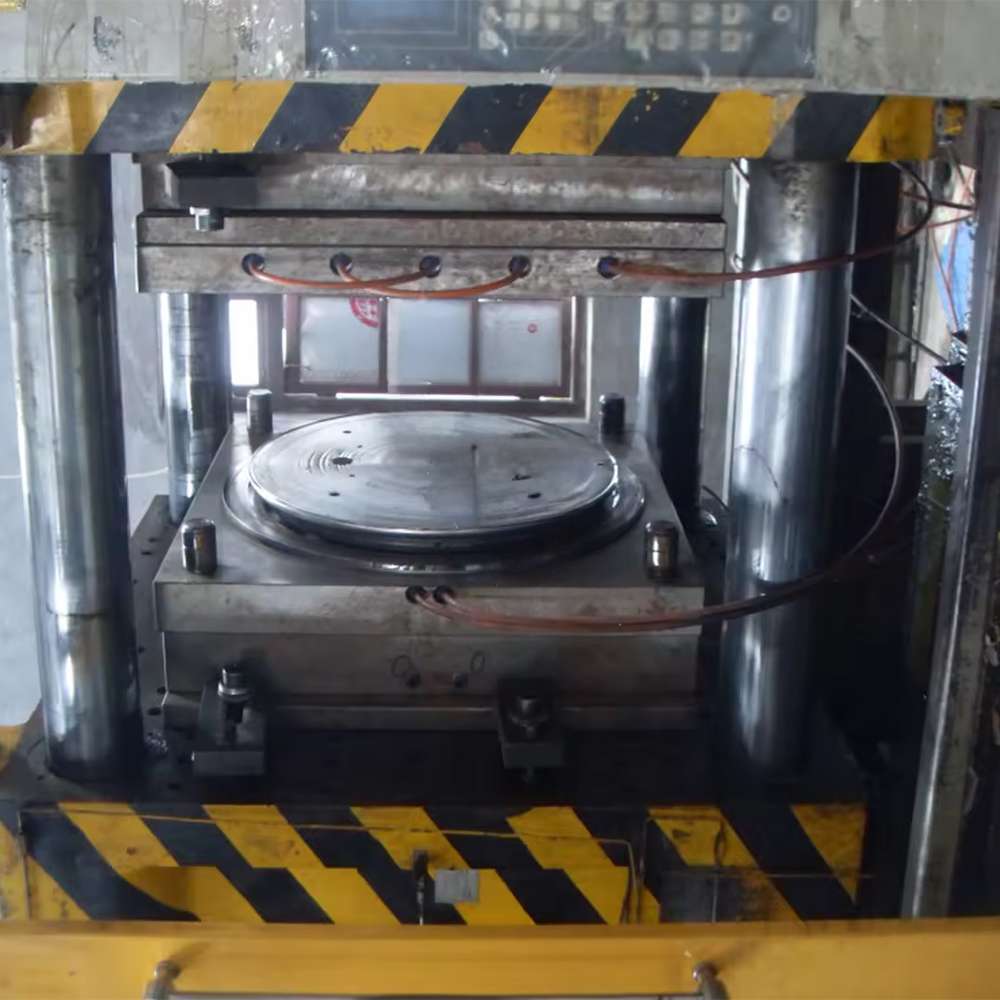
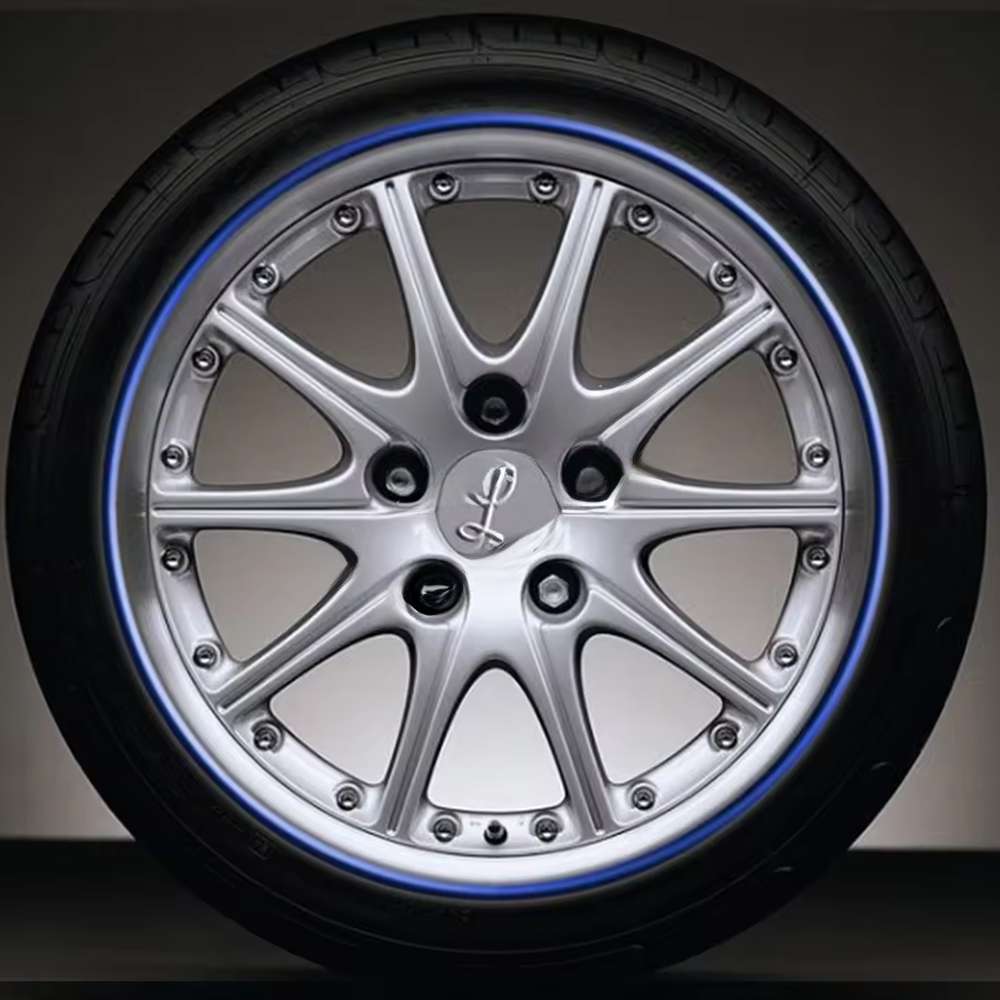
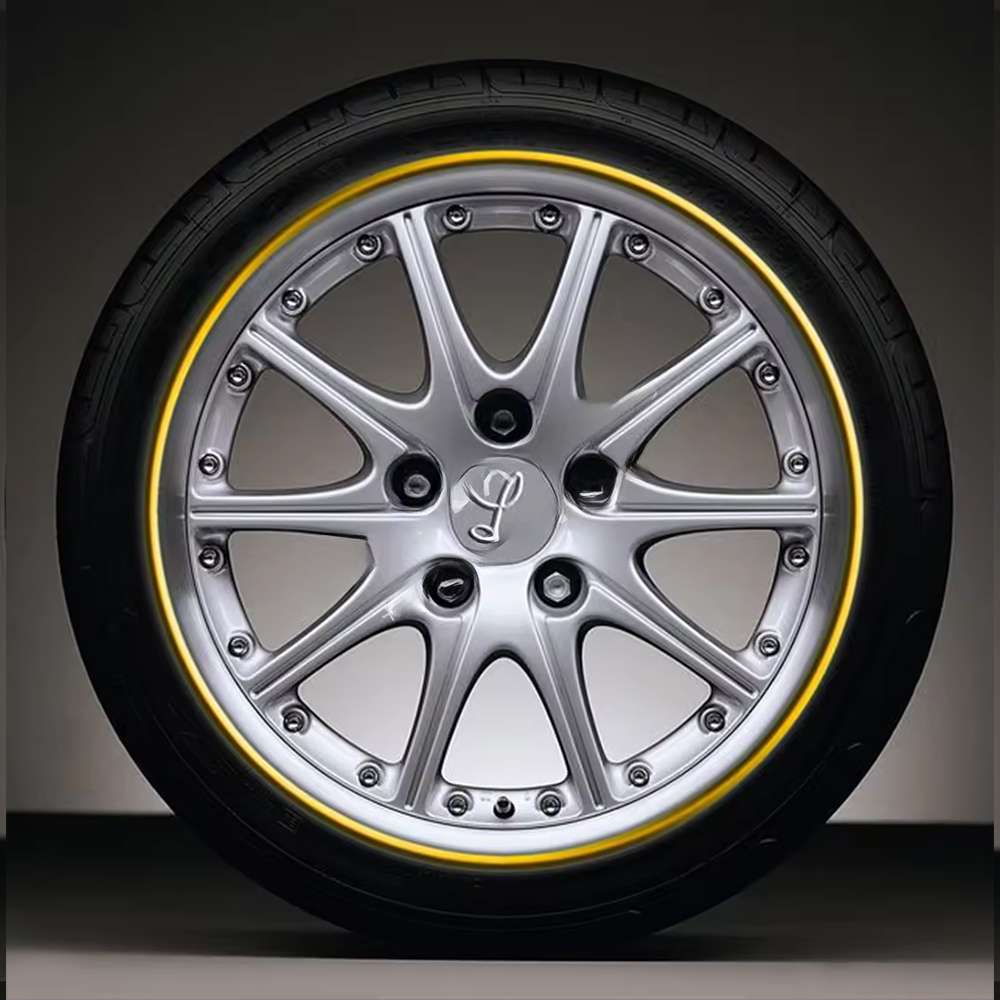
The design of the mold directly affects the dimensions, shape, and features of the rim protector. It’s important to ensure that the mold design can accommodate the specific requirements of the rim protector, including its curvature, thickness, and any additional elements such as slots or holes.
Cooling System:
An effective cooling system is vital for controlling the temperature of the plastic during molding. This ensures that the rim protector cools uniformly and rapidly, reducing cycle time and preventing issues like warping or stress marks. Customers should ask about the design of the cooling channels within the mold.
Venting Capabilities:
Proper venting is necessary to allow air and gases to escape during the injection process. Poor venting can trap gases, leading to defects such as burns or short shots. Inquiring about the mold’s venting system will help ensure a clean and consistent finish on the rim protector.
Ejection Mechanism:
The ejection mechanism is responsible for removing the rim protector from the mold after it has solidified. A well-designed ejection system minimizes the risk of damage to the rim protector during this phase. Customers should be aware of how the ejection pins are arranged to prevent damage to the product.
Tolerance and Accuracy:
The precision of the Rim Protector Mould determines the fit and function of the rim protector. It’s essential to discuss the mold’s tolerance levels and how accurately it can produce the required dimensions to meet the specific needs of the rim protector.
Production Run:
The expected lifespan and number of shots (molding cycles) for the mold are crucial, especially for large production runs. Customers should understand the mold’s durability and maintenance requirements to ensure it can handle the intended production volume without compromising quality.
Lead Time and Delivery:
Knowing the timeframe for mold production and delivery is critical for project planning. Customers should ask about the mold manufacturing lead time and how it may affect the overall production schedule of the rim protector.
Cost:
Lastly, the cost of the mold is a significant concern. Customers should inquire about the pricing structure, including any additional costs for modifications, maintenance, or repairs that may arise during the production process.
Are you interested in DUSTBIN MOULD
Standards & References
The following industry standards are referenced in this article: