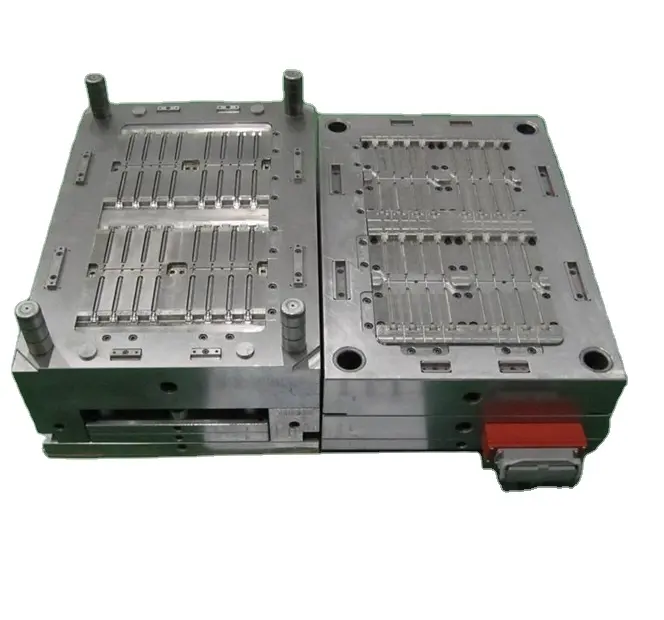
What material is best suited for razor handles?
The choice of material for razor handles is pivotal as it impacts not only the aesthetic appeal but also the functionality and durability of the product. Commonly used materials include ABS (Acrylonitrile Butadiene Styrene), which offers a good balance of strength, cost-effectiveness, and ease of molding. Other options like PP (Polypropylene) or TPE (Thermoplastic Elastomer) might be considered based on desired flexibility or tactile properties. It’s essential to select a material that can withstand repeated use, potential exposure to water, and provide a comfortable grip for the user.
How does the design of the razor handle influence the mould design?
The ergonomics of the razor handle play a significant role in determining the mould design. Features such as textured surfaces for better grip, contoured shapes to fit the hand comfortably, and strategic placement of buttons or vents all require precise mould cavities and cores. Additionally, we must meticulously plan branding elements or color variations within the mold design to ensure consistency and accuracy in production.

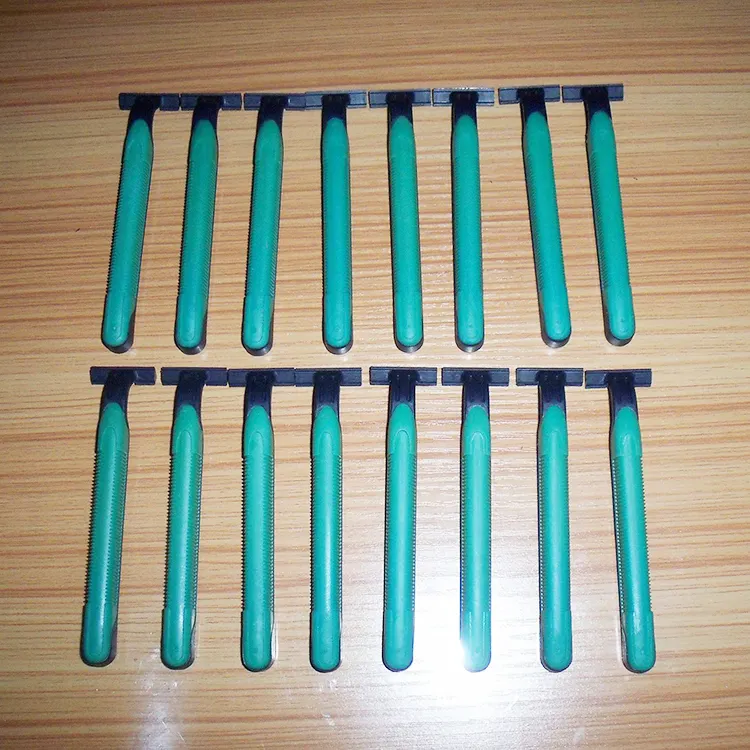
What are the tolerance levels typically required for razor handle injection moulds?
Precision is paramount in injection moulding, especially for consumer goods like razor handles where even minor defects can affect usability or aesthetics. Tolerances for razor handle moulds generally range from +/-0.05mm to +/-0.2mm, depending on the complexity of the design and the critical areas requiring tight control (e.g., mating surfaces for blade cartridges). Tighter tolerances may increase manufacturing costs but are often necessary to meet quality standards and ensure a seamless fit between parts.
Design Principles of Razor Handle Molds
Designing razor handles must balance ergonomics, aesthetics, and functionality. Mold design, the first step in handle manufacturing, is critical. Designers must consider the following:
- Ergonomics: The handle should conform to the natural curve of the hand, providing comfort and reducing fatigue during use.
- Aesthetics: The handle should be sleek and modern, aligning with contemporary tastes while highlighting brand characteristics to boost product competitiveness.
- Functionality: The handle design should ensure the overall structural stability of the razor, preventing looseness and damage. Incorporating anti-slip features enhances safety during use.
- Manufacturability: Mold designs should account for manufacturing feasibility, simplifying processing difficulty and cost to improve production efficiency.
Manufacturing Processes of Razor Handle Molds
The manufacturing processes directly influence the quality and lifespan of razor handle molds. Key processes include:
- Injection Molding: This primary method involves heating plastic granules until molten and injecting them into the mold cavity under high pressure. The process cools to form the handle. Injection molding offers high production efficiency and precision.
- Machining Processes: Mold machining involves CNC machining, EDM (electrical discharge machining), wire cutting, and heat treatment. CNC machining provides high precision and efficiency, ideal for complex parts. EDM processes hard materials and intricate shapes. We use wire cutting for fine parts, and we enhance material hardness and wear resistance through heat treatment.
- Surface Treatment: After manufacturing, molds undergo surface treatments like polishing and chrome plating to improve surface finish and wear resistance, thus extending mold life.
- Assembly and Debugging: Post-manufacturing, molds are assembled and debugged to ensure precise component fit and mold functionality. Cleanliness during assembly is crucial to prevent impurities from affecting mold quality.
How can I ensure consistent quality and minimal defects in my razor handle production?
Consistency and defect minimization hinge on several factors: optimized mould design to facilitate easy filling and part ejection, proper maintenance of moulds to prevent wear and contamination, and stringent quality control measures during and after production. Implementing processes like regular mould cleaning, using high-quality raw materials, and conducting thorough inspections can significantly reduce defects such as flash, sink marks, or warping.
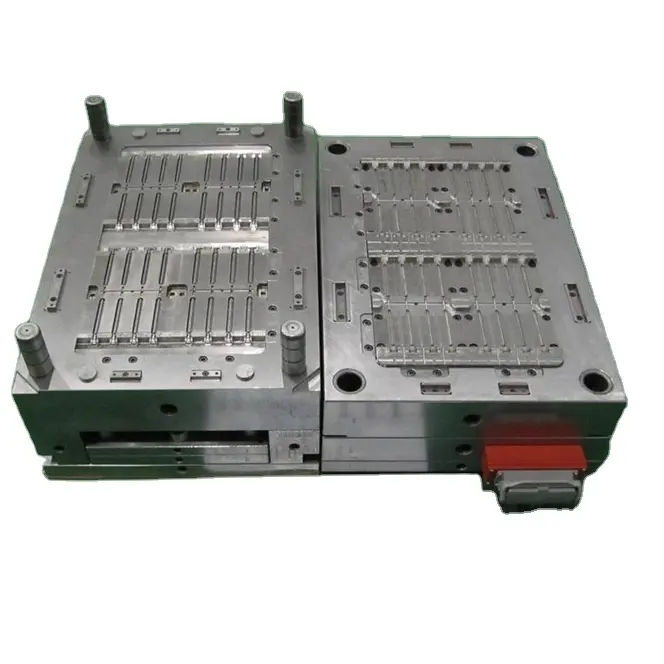

Can the injection mould be designed for easy colour changes or customization?
Yes, designing the mould with interchangeable components or separate runner systems for different colours can facilitate quick colour changes without extensive downtime or cleaning. This is particularly advantageous for brands offering multiple color options or limited edition runs. Additionally, incorporating features like insert molding or over-molding can enable customization with different materials or textures, enhancing product differentiation.
What is the typical lifespan of an injection mould for razor handles?
With proper care and maintenance, an injection mould for razor handles can produce millions of cycles before needing major repairs or replacement. However, this lifespan varies based on factors like mould steel quality, complexity of the part, and production volume. Regular inspections and timely repairs of worn-out components can extend the mould’s life, ensuring continued efficient production.
>>You may also like
Standards & References
The following industry standards are referenced in this article: