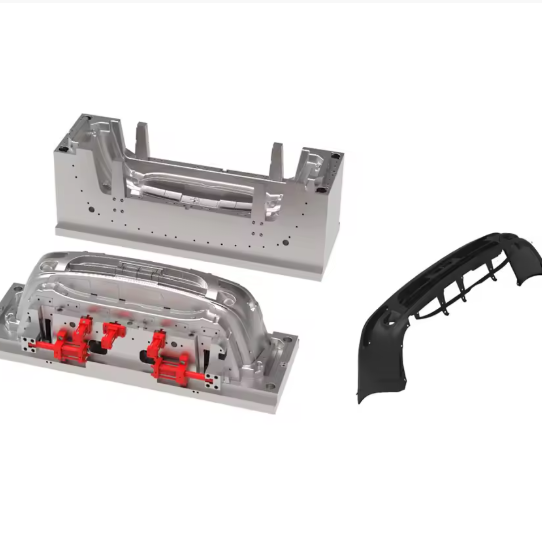
Introduction: The Critical Role of Precision Molds in Radiator Manufacturing
Radiator molds serve as the foundation for producing high-performance heat exchange components used in automotive, industrial, and HVAC systems. These specialized molds must withstand extreme thermal cycling, maintain dimensional stability under pressure, and deliver consistent wall thickness to ensure optimal heat transfer efficiency. As radiator technology advances toward lighter, more compact designs with higher thermal performance, the demands on mold materials and manufacturing processes have intensified. This guide explores the key considerations in material selection, design principles, and manufacturing processes specific to radiator molds, with emphasis on steel applications that balance durability, precision, and cost-effectiveness.
Material Selection for Radiator Molds: Balancing Performance Requirements
The unique operating conditions of radiators—exposure to temperature extremes, pressure differentials, and corrosive coolants—demand mold materials with exceptional thermal stability and wear resistance. For most radiator applications, 45# steel provides an optimal balance of mechanical properties and cost-effectiveness when properly heat-treated. This carbon steel alloy offers sufficient hardness for mold longevity while maintaining the toughness required to withstand the stresses of high-volume production.
When selecting mold steel for radiator applications, three critical performance parameters must be evaluated:
Thermal conductivity directly impacts cooling efficiency and cycle times. Steel with higher thermal conductivity (≥45 W/m·K) enables faster heat dissipation from the mold cavity, reducing cooling time by up to 20% compared to lower conductivity materials. This property becomes particularly important for radiator cores with complex fin structures that require uniform cooling to prevent warping.
Hardness and wear resistance determine mold longevity, especially when processing glass-reinforced plastics common in radiator components. Through proper heat treatment, the selected steel should achieve a surface hardness of 45-50 HRC while maintaining sufficient core toughness to resist cracking during ejection. This balance ensures the mold can produce 500,000+ parts before requiring major maintenance.
Dimensional stability under thermal cycling is essential for maintaining critical tolerances in radiator components. The ideal mold steel exhibits low thermal expansion (≤12×10⁻⁶/°C) and minimal distortion during heat treatment, ensuring that cooling channel geometry and cavity dimensions remain within specification throughout the mold’s service life.
Heat Treatment Process Parameters for Optimal Mold Performance
Achieving the desired mechanical properties in radiator mold steel requires precise control of heat treatment parameters. The optimal process for radiator molds involves three key stages:
Austenitizing at 820-860°C for 2-3 hours, followed by oil quenching, transforms the steel microstructure to martensite while minimizing thermal stress. This step establishes the foundation for the material’s hardness and wear resistance. The temperature must be carefully controlled within ±10°C to ensure uniform heating throughout the mold block, particularly for large radiator molds with complex geometries.
Tempering at 550-600°C for 2-4 hours relieves quenching stresses and balances hardness with toughness. This critical step reduces brittleness while maintaining a hardness of 45-50 HRC, ideal for radiator mold applications. The tempering cycle should include slow heating (≤100°C/hour) to prevent thermal shock and multiple tempering cycles for large molds to ensure complete stress relief.
Stress relieving prior to final machining at 600-650°C for 4-6 hours minimizes distortion during subsequent processing. This step is particularly important for radiator molds with thin-walled sections and intricate cooling channels, ensuring dimensional stability during the high-pressure injection molding process.
Proper heat treatment not only enhances the mold’s wear resistance but also improves its thermal conductivity by 10-15% compared to untreated steel, directly contributing to faster cycle times and more uniform part cooling.
Injection Molding Parameters for Radiator Components
Optimizing injection molding parameters is critical for producing radiator components with consistent wall thickness, minimal warpage, and optimal heat transfer properties. The following parameters have been validated for radiator molds:
Melt temperature should be maintained between 220-250°C for most thermoplastic radiator materials. Higher temperatures (240-250°C) are recommended for glass-reinforced polymers to ensure complete fiber wetting and reduce flow resistance through complex fin structures. Temperature variation across the barrel should be controlled within ±5°C to prevent material degradation and ensure uniform flow.
Injection pressure typically ranges from 70-100 MPa, with higher pressures (90-100 MPa) required for thin-walled radiator cores with intricate geometries. Pressure should be ramped up gradually (20-30 MPa/second) to prevent mold damage and ensure complete cavity filling without excessive shear stress on the polymer.
Hold pressure at 60-80% of injection pressure for 15-30 seconds compensates for material shrinkage, particularly critical for maintaining dimensional accuracy in radiator tanks and header plates. The hold pressure profile should be optimized to minimize residual stresses that could cause warping during cooling.
Mold temperature is perhaps the most critical parameter for radiator components, with optimal values ranging from 60-80°C. Higher mold temperatures (70-80°C) improve surface finish and reduce internal stresses but extend cycle time. For radiator cores with complex fin structures, mold temperature variation should be controlled within ±2°C across all cavity surfaces to ensure uniform cooling and prevent dimensional variation.
Cooling time typically accounts for 50-60% of the total cycle time, ranging from 20-45 seconds depending on part thickness. Cooling channels should be positioned 8-12mm from the cavity surface with a minimum diameter of 8mm to ensure turbulent flow (Reynolds number >4000) and efficient heat transfer.
Mold Structure Design Key points for Radiator Components
Radiator mold design must address the unique challenges of producing heat exchange components with complex geometries and tight tolerances:
Cavity and core design should incorporate uniform wall thickness (2.0-3.5mm typical for radiator components) with gradual transitions to minimize stress concentrations. Fillet radii of at least 0.5mm are recommended for all internal corners to improve material flow and reduce warpage. For radiator fins, draft angles of 1.5-2.0° facilitate ejection while maintaining the required heat transfer surface area.
Cooling system design is critical for radiator molds, with conformal cooling channels following the contours of complex features like header plates and tank geometries. The cooling system should be divided into independent circuits for different mold sections, allowing precise temperature control for areas with varying wall thickness. For radiator cores with dense fin structures, specialized baffles and bubblers ensure uniform cooling throughout the cavity.
Ejection system design must provide uniform force distribution to prevent deformation of delicate radiator fins and thin-walled sections. Ejector pins should be positioned to avoid visible marks on critical surfaces, with diameters sized to prevent bending under ejection forces. For large radiator molds, hydraulic ejection systems with synchronized movement ensure parallel ejection and minimize part distortion.
Ventilation is essential for preventing gas entrapment in complex radiator geometries. Micro-venting (0.015-0.02mm depth) along parting lines and at the end of flow paths allows air and volatiles to escape during injection. For radiator cores with dense fin structures, additional venting through ejector pins and slide interfaces may be necessary to ensure complete cavity filling.
Gate design should be carefully positioned to minimize flow disturbance and weld lines in critical heat transfer areas. For radiator tanks, edge gates or hot runner systems with valve gates provide optimal flow control, while submarine gates are recommended for finned sections to avoid cosmetic defects on visible surfaces.
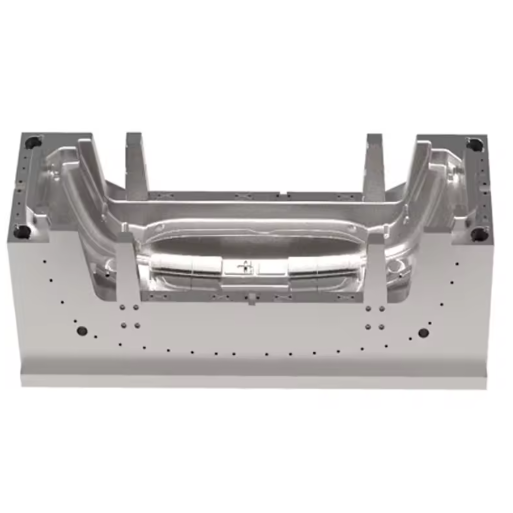
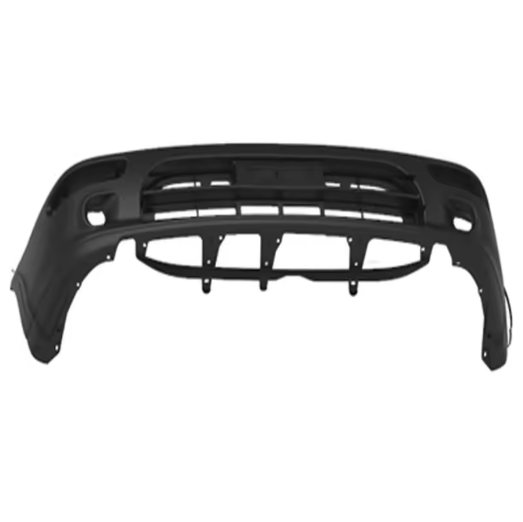
Industry Standards and Quality Control for Radiator Molds
Radiator molds must comply with stringent industry standards to ensure consistent performance and reliability:
Dimensional tolerance requirements typically follow ISO 286 or DIN 16742 standards, with critical features held to IT7-IT8 tolerance classes. Radiator core spacing, for example, must be maintained within ±0.1mm to ensure proper heat transfer performance and compatibility with other cooling system components.
Surface finish specifications vary by component function, with Ra values of 0.8-1.6μm for functional surfaces and 0.4-0.8μm for cosmetic areas. The mold cavity surface should be free of scratches, pits, or machining marks that could impair heat transfer or create stress concentrations.
Material certification requires traceability from raw material to finished mold, including chemical composition analysis and mechanical property testing. Heat treatment records must document temperature profiles, hold times, and cooling rates to ensure consistent material performance.
Performance validation involves mold tryout with production-grade materials under actual processing conditions. This validation includes dimensional inspection of first-article parts, pressure testing of cooling channels (typically at 10 bar for 30 minutes), and cycle testing to verify mold longevity.
Quality control protocols should include statistical process control (SPC) for critical dimensions, with Cpk values ≥1.33 indicating stable production processes. Regular maintenance inspections, including cavity surface condition and cooling channel integrity, help identify potential issues before they affect part quality.
Maintenance and Longevity of Radiator Molds
Proper maintenance is essential to maximize the service life of radiator molds and ensure consistent part quality:
Preventive maintenance schedules should include regular cleaning of cooling channels to remove mineral deposits and ensure efficient heat transfer. Ultrasonic cleaning every 500 production hours or quarterly, whichever comes first, prevents scale buildup that can reduce cooling efficiency by 20-30%.
Surface inspection after every 10,000 cycles identifies early signs of wear or damage, particularly in high-stress areas like gate locations and core pins. Minor surface defects can be repaired by polishing with 400-600 grit diamond compound to maintain the original finish.
Lubrication of guide pins, slides, and ejection systems with high-temperature grease (operating range -20°C to 200°C) ensures smooth operation and prevents galling. Lubrication should be applied after cleaning and before mold storage.
Storage requirements include climate-controlled conditions (20±5°C, 40-60% relative humidity) and protection from corrosive environments. Molds should be stored with cavity surfaces coated in rust inhibitor and ejection systems in the retracted position to prevent permanent set.
Repair procedures for worn or damaged areas should use matching filler materials and proper heat treatment to maintain structural integrity. Laser welding with 0.2-0.3mm filler wire allows precise repair of localized damage without affecting surrounding areas.
Conclusion: Optimizing Radiator Mold Performance Through Material and Design Excellence
Radiator molds represent a specialized application requiring careful balance of material properties, design considerations, and manufacturing processes. By selecting appropriate steel grades, implementing precise heat treatment, optimizing injection parameters, and following industry standards, manufacturers can produce molds capable of meeting the demanding requirements of modern radiator production.
The successful application of steel in radiator molds depends on understanding the unique thermal and mechanical challenges of heat exchange components. Proper material selection, combined with thoughtful design and rigorous quality control, ensures molds deliver consistent performance, dimensional accuracy, and extended service life.
As radiator technology continues to evolve toward higher efficiency and lighter weight designs, mold technology must advance in parallel. The principles outlined in this guide provide a foundation for meeting these evolving challenges, ensuring that radiator molds can produce components that meet the thermal performance requirements of tomorrow’s cooling systems.
Frequently Asked Questions (FAQ)
Q1: What makes steel the preferred material for radiator molds?
Steel offers the optimal combination of thermal conductivity, wear resistance, and dimensional stability required for radiator mold applications. Its ability to withstand the thermal cycling and high injection pressures associated with radiator production ensures consistent part quality over hundreds of thousands of cycles.
Q2: How does mold design impact radiator performance?
Mold design directly influences critical radiator properties including wall thickness uniformity, fin geometry, and dimensional accuracy—all of which affect heat transfer efficiency. Proper cooling system design ensures uniform part cooling, minimizing warpage and maintaining the precise tolerances required for radiator core performance.
Q3: What maintenance practices are most critical for radiator molds?
Regular cleaning of cooling channels to prevent scale buildup, periodic inspection of cavity surfaces for wear, and proper lubrication of moving components are essential maintenance practices. These procedures help maintain cooling efficiency, part quality, and overall mold longevity.
Q4: How do injection molding parameters affect radiator quality?
Melt temperature, injection pressure, and mold temperature directly impact material flow, packing, and cooling—critical factors for achieving uniform wall thickness and dimensional stability in radiator components. Optimized parameters reduce internal stresses that could cause warping or performance degradation.
Q5: What industry standards apply to radiator mold manufacturing?
Radiator molds must comply with international standards for dimensional tolerances (ISO 286), surface finish (ISO 1302), and material properties (ASTM A681 for tool steels). Additionally, automotive radiator molds must meet specific OEM requirements for material certification and performance validation.