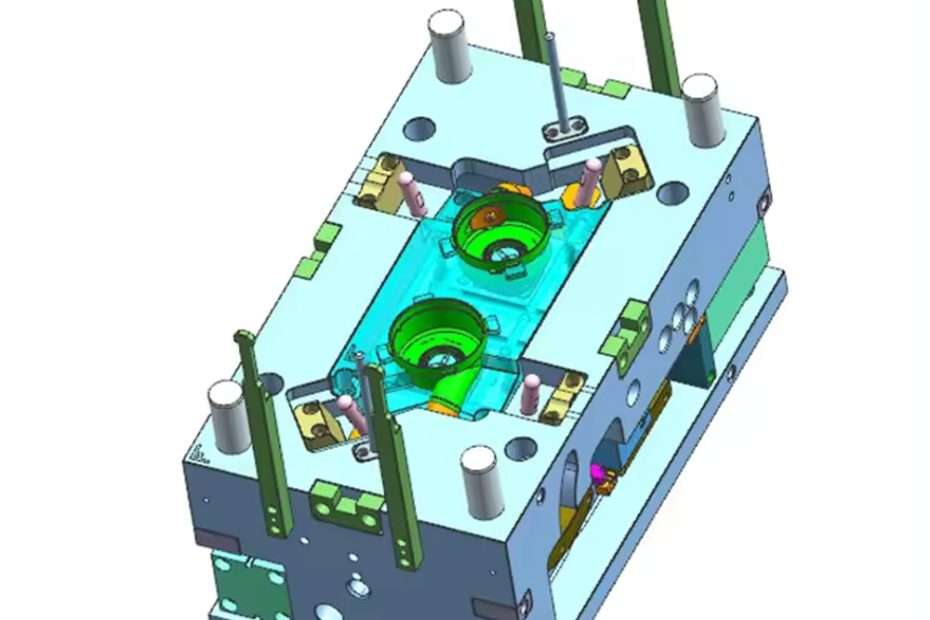
What material is used for the injection mold of motor turbine plastic parts?
The injection mold for motor turbine plastic parts is typically made from high-quality steel alloys. These materials are chosen for their durability, strength, and ability to withstand the high pressures and temperatures involved in the injection molding process.
How is the precision of the injection mold ensured?
Precision is crucial in the production of motor turbine plastic parts. To ensure accurate replication of the desired part geometry, the mold is designed and manufactured using advanced CAD/CAM software and precision machining techniques. This includes the use of precision cutting tools and inspection equipment to ensure that all dimensions and tolerances are met.


What kind of surface finish can be achieved with the injection mold?
The surface finish of the motor turbine plastic parts depends on the mold design and the material used. With proper mold design and finishing techniques, a smooth and uniform surface finish can be achieved. Additionally, various textures and finishes can be applied to the mold surface to enhance the appearance and functionality of the final part.
Can the injection mold be customized for specific motor turbine plastic parts?
Yes, the injection mold can be customized to produce specific motor turbine plastic parts. The mold design takes into account the unique geometry, dimensions, and material requirements of the part. This ensures that the mold is able to accurately replicate the desired part with high precision and repeatability.
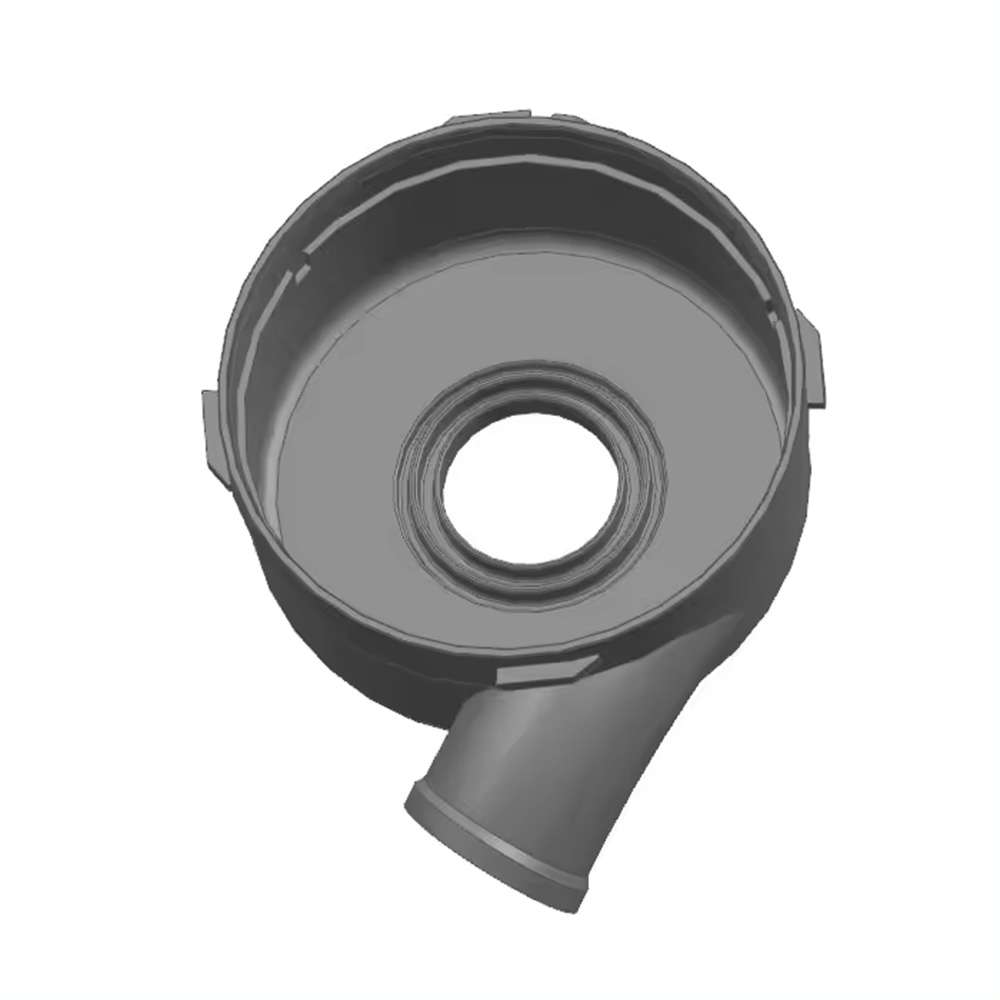
What is the production capacity of the injection mold for motor turbine plastic parts?
The production capacity of the injection mold depends on various factors such as the size of the mold, the complexity of the part, and the cycle time of the injection molding machine. Typically, the mold is designed to optimize production efficiency while maintaining high-quality standards. However, the specific production capacity will vary based on the specific application and requirements.
Are you interested in CHAIR MOULD
Standards & References
The following industry standards are referenced in this article: