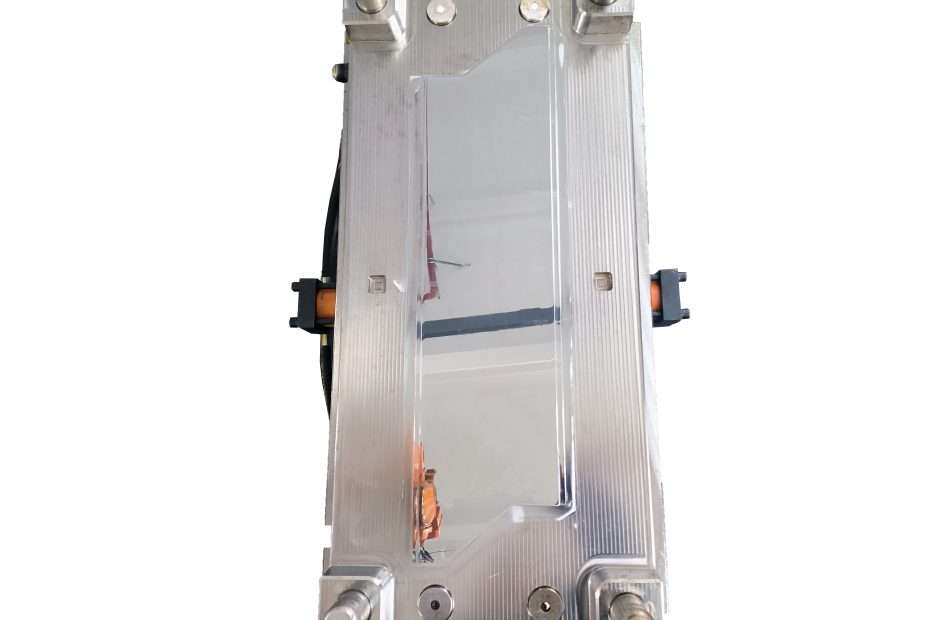
In modern manufacturing, molds are fundamental tools for producing various products. Their surface quality and precision directly impact the final product’s quality. Mirror polishing is a high-precision processing technique aimed at enhancing the smoothness and aesthetic appeal of the die surface, achieving an effect akin to a mirror’s surface. We significantly improve the appearance of parts through this process. We also enhance their physical properties by reducing friction and wear and improving corrosion resistance.Mirror polishing molds greatly improve efficiency
The definition of mirror polished dies encompasses several aspects. It involves a mechanical, chemical, or electrochemical means to achieve a mirror-like shine and smoothness on the die surface. This treatment not only significantly enhances the appearance of the die but also improves its physical properties, such as reducing friction and wear, and increasing corrosion resistance. Achieving high-quality mirror polishing requires various professional equipment, including polishing machines, polishing wheels, polishing paste, ultrasonic cleaning machines, and inspection devices. The selection and use of these tools and equipment are crucial for achieving high-quality mirror polishing results.
Manufacturing Process of Mirror Polishing molds
- Design of Molds:The creation of mirror polishing molds begins with design. Designers develop an appropriate mold structure based on specific product requirements. Design considerations include mold material, machining methods, and surface treatment to ensure high-quality final products.
- Material Selection:Choosing the right materials is crucial for effective mirror polishing. Common materials include high-hardness steel and hard alloys, known for their excellent wear resistance and stability in precision machining.
- Rough Machining:After selecting the materials, rough machining removes most of the excess material, laying the foundation for subsequent fine machining and polishing. Common rough machining methods include turning, milling, and grinding.
- Fine Machining:Fine machining follows rough machining, using high-precision machines and fine abrasives to shape the mold surface accurately. This process requires strict control over machining parameters to avoid visible scratches and irregularities.
- Initial Polishing:After fine machining, initial polishing begins. This step uses medium-grit polishing tools and paste to remove minor scratches and defects on the mold surface. Although it doesn’t achieve the final mirror effect, it prepares the surface for fine polishing.
- Fine Polishing:Fine polishing follows initial polishing. This step employs ultra-fine abrasives and high-grade polishing paste to achieve a mirror-like finish. Fine polishing demands professional skills to ensure a smooth, scratch-free, and flawless mold surface.
- Polishing Liquid Treatment:The final stage involves using a polishing liquid. This treatment further enhances the mold’s surface gloss and resistance to corrosion, improving both appearance and durability.
- Cleaning and Quality Inspection:Once polishing is complete, thorough cleaning removes residual polishing materials. Comprehensive quality inspections ensure the mold’s surface gloss and precision meet design specifications.


What kind of gravel can produce a mirror effect?
In the process of die polishing, selecting the appropriate abrasive material is crucial. Due to their high hardness and wear resistance, diamond abrasives are commonly used for high-precision polishing tasks. Diamond abrasives effectively remove small protrusions and unevenness on the die surface, achieving a highly smooth and glossy finish similar to a mirror’s reflection.
Besides diamond abrasives, other abrasive materials such as aluminum oxide and silicon carbide are also commonly used for die polishing. However, their hardness and wear resistance are generally not as good as diamond. Therefore, for high-demand polishing tasks requiring a mirror-like effect, diamond abrasives are the preferred choice.
Applications of Mirror Polishing Molds
- Optical Instruments:In optical instrument manufacturing, mirror polishing molds create high-precision optical components such as lenses and prisms. High-gloss mold surfaces significantly enhance the imaging quality and light transmission of optical elements.
- Electronic Products:The manufacture of electronic device casings and displays relies on mirror polishing molds. This process produces aesthetically pleasing and smooth electronic products with high surface gloss.
- Automotive Industry:The automotive industry uses mirror polishing molds extensively for producing car lights, dashboards, and decorative parts. We need precise and smooth surfaces for these components to enhance the overall aesthetic of vehicles.
- Medical Equipment:Mirror polishing molds in the medical field produce precision medical instruments and tools. High-gloss surfaces enhance the performance of these devices and reduce bacterial adhesion, ensuring medical safety.
- Aerospace:In aerospace, mirror polishing molds create high-precision aircraft components. These parts operate in extreme environments, requiring exceptional surface gloss and precision to ensure performance and reliability.
Enhancing Product Quality with Mirror Polishing Molds
Improving Surface Quality:Mirror polishing molds significantly enhance product surface quality, making them smoother and more uniform. High-gloss surfaces improve aesthetics and reduce defects, enhancing overall performance.
Boosting Product Performance:Polishing technology improves mold surface gloss and precision, producing higher-precision components with better performance and longer lifespan in practical applications.
Reducing Production Costs:Mirror polishing molds streamline surface treatment steps, reducing production costs. Their durability also reduces how often we need to replace molds, saving additional costs
Increasing Market Competitiveness:High-quality products from mirror polishing processes are more competitive. High-gloss and high-precision products are more appealing to consumers, boosting market success.
Environmental Friendliness:Many techniques and materials used in mirror polishing molds are environmentally friendly, minimizing impact. This is crucial for sustainable development in modern industrial production.
conclusion
Mirror polishing mold technology plays a critical role in modern industrial production. By meticulously polishing steps to achieve mirror-like surfaces, this technology enhances product aesthetics and performance. As technology advances, mirror polishing molds will find broader applications, driving high-quality industrial production.
>>You may also like
Standards & References
The following industry standards are referenced in this article: