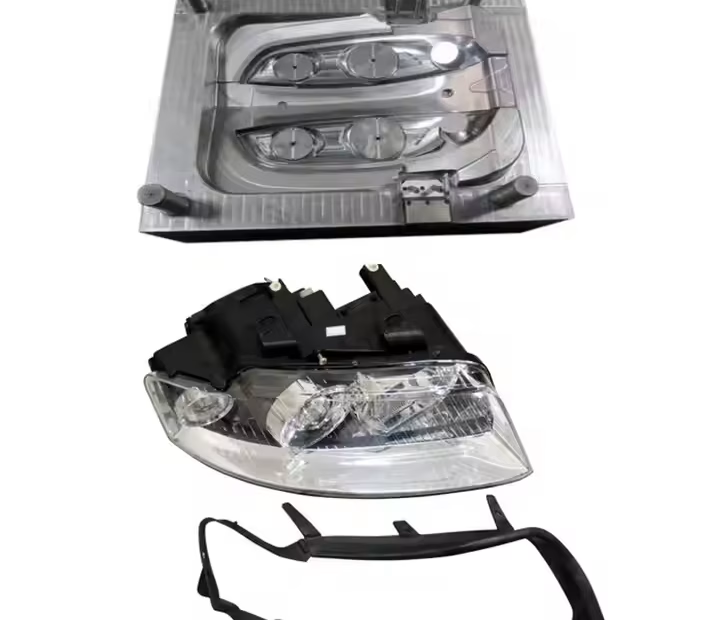
Introduction: The Growing Importance of Precision Lens Cap Molds
In an era of rapid technological advancement, the global optical lens molds market is poised for remarkable growth, projected to expand from USD 1.30 billion in 2024 to USD 2.53 billion by 2031 at a compound annual growth rate (CAGR) of 10.00% (Global Optical Lens Molds Market Report, 2025). This surge is driven by escalating demand for high-precision optical components in automotive lighting, consumer electronics, and medical devices—particularly in the Asia-Pacific region, which dominates manufacturing with facilities in China, Japan, and South Korea.
Lens cap molds, a critical subset of this market, play a pivotal role in producing protective covers for lenses used in automotive headlights, surveillance cameras, and medical imaging devices. As industries like electric vehicles (EVs) and advanced driver-assistance systems (ADAS) boom, the need for durable, optically precise lens caps has never been greater. This guide explores the manufacturing processes, material science, and industry trends shaping lens cap mold production in 2025.
Applications: Where Lens Cap Molds Drive Innovation
Automotive Lighting: The Largest Growth Driver
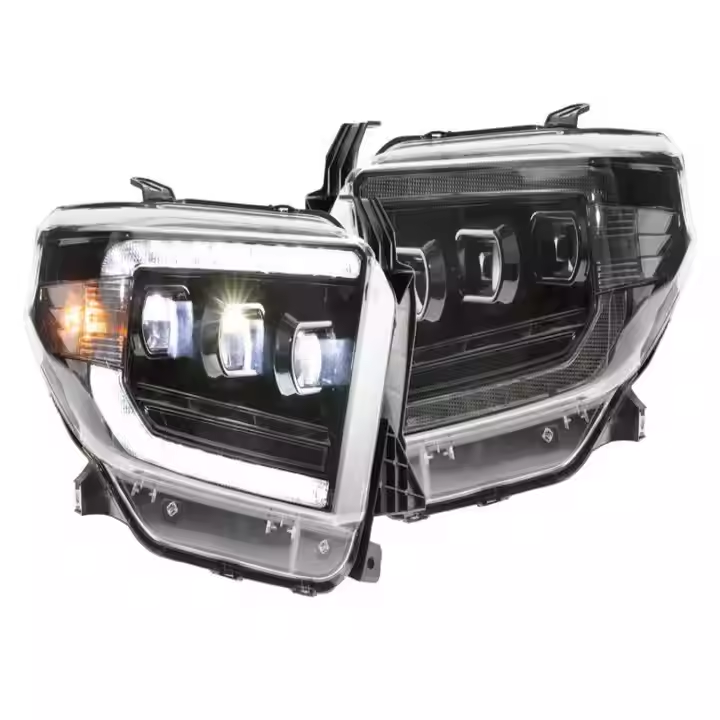
The automotive sector accounts for over 65% of lens cap mold demand, fueled by EV adoption and ADAS integration (Automotive Lens Market Report, 2025). Modern EVs, such as Tesla’s Model 3 and Ford’s Mustang Mach-E, feature sleek, panoramic headlight designs that require complex lens caps. These components must withstand extreme temperatures (-40°C to +120°C), UV radiation, and mechanical impact—demanding molds with tolerance levels as tight as ±0.005 mm (Bermar Associates Case Study).
Consumer Electronics & Medical Devices
Beyond automotive, lens cap molds serve consumer electronics (smartphone camera lenses, VR headsets) and medical devices (endoscopes, surgical lasers). For example, 3D-printed lens caps for medical scopes, made from biocompatible materials like LSR silicone, are gaining traction for their ability to meet strict sterilization requirements (Yejiasilicone Technical Report).
Manufacturing Processes: From CNC Machining to 3D Printing
Traditional CNC Machining: Precision Meets Scalability
CNC machining remains the gold standard for high-volume lens cap mold production. Using ultra-precision machines (e.g., Precitec Nano Form 350), manufacturers achieve surface roughness as low as 0.1 μm and geometric accuracy within 3 μm (OptLenses Precision Molding Guide). Key steps include:
- Mold Design: CAD/CAM software (AutoCAD, Moldflow) simulates cooling channels and parting lines to prevent defects like weld marks.
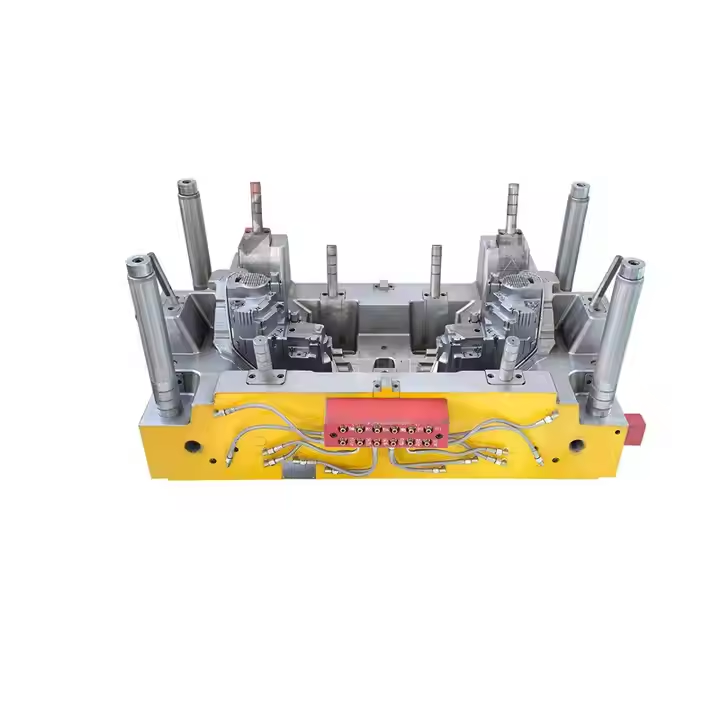
- CNC Milling: Hardened steel (P20, 718H) or aluminum blocks are milled into cavity/core shapes.
- Polishing: SPI A1-grade optical polishing ensures light transmittance >90%.
- Injection Molding: Molten PC or PMMA is injected at 280–320°C, with cycle times as short as 35 seconds using optimized cooling systems (Ryd Tooling Case Study).
3D Printing: Rapid Prototyping for Customization
For low-volume or complex designs, 3D printing offers a cost-effective alternative. Taiwan’s Tunghai University demonstrated that 3D-printed PMMA lenses achieve 93% light transmittance (vs. 94% for CNC-machined) while reducing production time by 40% (Engineering.com Case Study). This method is ideal for prototyping EV headlight lenses with intricate microstructures.
Ultra-Fast Femtosecond Laser Texturing
EV lighting demands edge-lighting patterns that traditional machining can’t replicate. Femtosecond lasers etch micro-facets (5–10 μm) into molds, enabling precise light diffusion. This technology reduces development cycles by allowing direct texturing on plastic prototypes before final mold production (MoldMaking Technology Report).
Material Selection: PMMA vs. PC vs. LSR Silicone
Choosing the right material is critical for lens cap performance. Below is a technical comparison of leading options:
| Property | PMMA (Acrylic) | PC (Polycarbonate) | LSR Silicone |
| Light Transmittance | 92–93% | 89–90% | 94–96% |
| Heat Resistance | 70°C (softens) | 120°C (continuous use) | 200°C (short-term) |
| Impact Strength | 16 J/m (brittle) | 640 J/m (30x PMMA) | 800 J/m (flexible) |
| UV Stability | Moderate (yellows over time) | Excellent (with stabilizers) | Outstanding (no yellowing) |
| Applications | Indoor lenses, displays | Automotive exteriors, EV headlights | High-temperature LEDs, medical devices |
Design & Quality Control: Engineering for Perfection
Critical Design Considerations
- Optical Clarity: Avoiding sink marks and air bubbles requires uniform wall thickness (±0.1 mm) and balanced gating systems (Mold Masters Case Study).
- Cooling Efficiency: Combined vertical/angled water channels reduce cycle times by 25% (FirstRate Mold Design Guide).
- Parting Lines: T-slot guide blocks and oblique inner slides eliminate surface defects on transparent parts (LinkedIn Automotive Mold Report).
Quality Standards
Lens cap molds adhere to strict industry standards:
- ISO 10110: Defines optical surface tolerances (e.g., power error <1 fringe).
- SPI Mold Classes: Class 101 molds (48 RC hardness) for 1M+ cycles; Class 103 for low-volume production (Texas Injection Molding SPI Guide).
- Visual Inspection: No allowable defects in critical areas (scratches, blisters, or weld lines >15 mm) (CNCMachiningPTJ Acceptance Criteria).
Future Trends: What’s Next for Lens Cap Molds?
- Micro-LED Revolution: As micro-LED displays scale, molds for sub-1mm lenses will require nanoscale precision (Global Growth Insights Report).
- Sustainable Materials: Bio-based PMMA and recycled PC are emerging to meet EU green deal regulations (CavityMold Acrylic Applications).
- Multi-Material Molding: 2K/3K molds combining PC and LSR for hybrid lenses (rigid outer layer, flexible inner seal) (Made-in-China 2K Mold Showcase).
Conclusion: Partnering for Precision
Lens cap molds are the unsung heroes of modern optics, enabling innovations in automotive safety, medical imaging, and consumer tech. By leveraging advanced materials (PC, LSR), precision manufacturing (CNC, 3D printing), and rigorous quality standards (ISO 10110, SPI), manufacturers can meet 2025’s growing demand.
FAQ
What is the difference between lens cap mold and lens cover mold?
The terms are often used interchangeably, but lens cap mold typically refers to protective covers for optical lenses (e.g., camera lenses), while lens cover mold may include functional optical components like automotive headlight lenses. Both require precision molding, but lens covers often have stricter optical clarity requirements (±0.005mm tolerance).
Which material is better for automotive lens molds: PMMA or PC?
PC (Polycarbonate) is preferred for automotive exterior lenses due to its superior impact resistance (640 J/m vs. 16 J/m for PMMA) and heat resistance (120°C vs. 70°C for PMMA). PMMA is suitable for interior lenses where optical clarity (92% light transmission) is prioritized over durability.
How long does a precision lens mold last?
How does LED technology impact lens mold design?
LED miniaturization demands micro-optical structures (5-50μm features) for light distribution. Ultra-fast femtosecond laser texturing is increasingly used to create these precision patterns, enabling adaptive headlight systems in EVs that adjust beam angles dynamically.
>>You may also like
Standards & References
The following industry standards are referenced in this article: