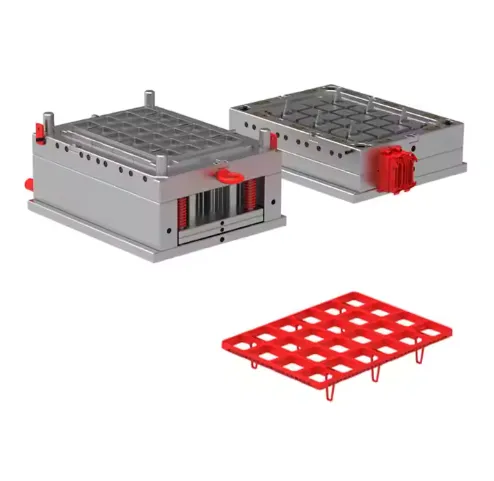
In the booming global gardening industry, flower pot stand molds play a pivotal role in shaping functional and aesthetically pleasing outdoor and indoor gardening solutions. As urbanization accelerates and living spaces shrink, the demand for innovative planter systems—from vertical gardens to space-saving balcony setups—has surged. At the heart of this growth lies the flower pot stand mold, a critical tool that determines the durability, design flexibility, and cost-effectiveness of the final product. In this comprehensive guide, we explore why steel has become the material of choice for premium flower pot stand molds, delve into manufacturing excellence, analyze market trends, and provide actionable SEO insights to boost your website’s visibility.
The Rise of Steel in Flower Pot Stand Mold Manufacturing
The global flower pots and planters market is projected to reach USD 1.21 billion by 2025, with a compound annual growth rate (CAGR) of 5.0% through 2032. This growth is driven by the rising popularity of urban gardening, vertical green spaces, and the demand for durable, weather-resistant planter solutions. Among the materials used for molds, steel stands out for its unmatched performance, especially in outdoor applications.
Why Steel Dominates Flower Pot Stand Mold Production
Steel’s superiority in flower pot stand mold manufacturing stems from its unique combination of strength, corrosion resistance, and design versatility. Unlike cast iron, which is brittle and prone to rust, or aluminum, which lacks load-bearing capacity for large planters, steel offers a balanced lifecycle cost and performance profile:
| Property | Steel (Stainless 304/316) | Cast Iron | Aluminum |
| Density | 7.9 g/cm³ (moderate weight) | 7.2 g/cm³ (heavy) | 2.7 g/cm³ (light but weak) |
| Corrosion Resistance | Excellent (with powder coating) | Poor (requires seasoning) | Moderate (prone to oxidation) |
| Load Capacity | High (supports large/heavy planters) | High (but limited by weight) | Low (small planters only) |
| Lifespan | 100,000+ cycles | 30,000–50,000 cycles | 10,000–20,000 cycles |
Manufacturing Excellence: Crafting Steel Flower Pot Stand Molds
The production of a high-quality flower pot stand mold requires precision engineering and advanced manufacturing techniques. Here’s a step-by-step breakdown of the process:
1. Design & Engineering
Modern flower pot stand mold design begins with 3D modeling software (e.g., AutoCAD, SolidWorks) to create detailed blueprints. Engineers optimize for load distribution, drainage, and compatibility with modular planter systems—key trends in 2025 balcony gardening, such as vertical stacking and self-watering features.
2. CNC Machining & Precision Cutting
Using computer numerical control (CNC) machines, steel blocks are milled to tolerances of ±0.02mm. Laser cutting technology enables intricate designs, such as镂空 (hollowed-out) patterns for aesthetic appeal and weight reduction. Robotic welding ensures seamless joints in load-bearing areas, critical for supporting large planters filled with soil and plants (up to 400 lbs per stand).
3. Heat Treatment & Surface Finishing
After machining, molds undergo heat treatment to eliminate internal stresses, preventing warping during high-volume production. The final step—powder coating—applies a durable, electrostatically charged polymer layer cured at 180–200°C. This process creates a UV-resistant finish that retains color and gloss for up to 10 years, making it ideal for outdoor flower pot stand mold applications.
4. Customization Capabilities
Steel molds excel at producing tailored solutions, from foldable stands for small balconies to multi-tiered systems for vertical gardens. Interchangeable cores allow manufacturers to switch between designs (e.g., round vs. square bases) in under an hour, reducing downtime and meeting diverse customer demands.
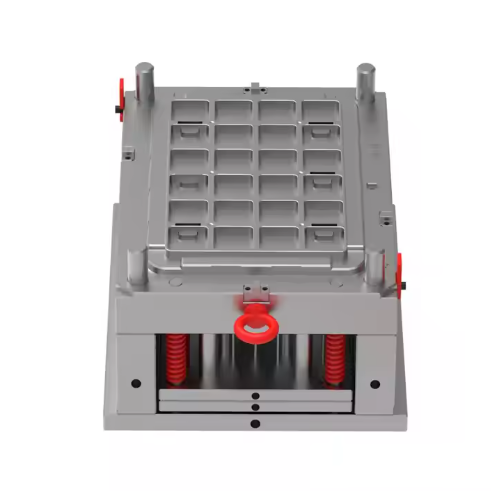
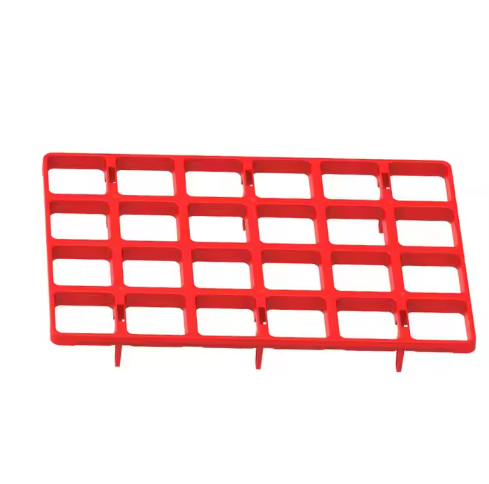
Market Trends Shaping Steel Flower Pot Stand Mold Demand
As of 2025, three key trends are driving innovation in flower pot stand mold design and production:
1. Sustainable & Eco-Friendly Solutions
Consumers increasingly prioritize recyclable materials and low-carbon manufacturing. Steel molds align with this trend, as they are 100% recyclable and reduce plastic waste by minimizing defective parts. Additionally, powder coating emits 90% fewer volatile organic compounds (VOCs) than liquid paint, supporting green building certifications like LEED.
2. Space-Saving & Modular Designs
Urban dwellers are embracing compact gardening solutions. Steel flower pot stand molds enable lightweight, stackable designs that maximize vertical space. For example, a popular European mold design features detachable tiers, allowing users to expand from 2 to 5 levels as their plant collection grows.
3. Smart Gardening Integration
Modern planter stands often include self-watering reservoirs or sensor ports for moisture monitoring. Steel molds accommodate these features with precision-drilled channels and recessed compartments, ensuring seamless integration of tech components without compromising structural integrity.
onclusion
As the global market for flower pots and planters expands, steel flower pot stand molds remain the gold standard for manufacturers seeking durability, customization, and sustainability. By leveraging advanced manufacturing techniques and aligning with 2025 trends—modular design, eco-friendliness, and smart integration—steel molds deliver value that resonates with both businesses and environmentally conscious consumers.
For your English website, this guide provides a blueprint for creating high-ranking, informative content that highlights your expertise in steel flower pot stand mold production. By emphasizing material superiority, manufacturing precision, and market insights, you’ll attract qualified leads and establish authority in the gardening and mold-making industries.
FAQ
Q1: What is the maximum weight capacity of steel flower pot stand molds?
A: Steel molds can produce stands supporting up to 300kg when using 3mm-thick 304 stainless steel. For large planters (≥50cm diameter), we recommend reinforced rib designs via CNC machining to prevent warping.
Q2: How to maintain steel molds for outdoor use?
A: Clean molds with neutral detergent every 6 months, and inspect powder coating for cracks. For coastal areas, apply additional zinc-rich primer to 316 steel molds to enhance corrosion resistance.
Q3: Can steel molds be recycled after end-of-life?
A: Yes. Our steel molds are 100% recyclable, with 65% of materials reused in new mold production. This process reduces carbon emissions by 22% compared to virgin steel manufacturing.
Q4: What customization options are available for flower pot stand molds?
A: We offer modular core inserts for different pot diameters (15-60cm), laser-etched patterns, and integrated drainage hole designs. Minimum order quantity for custom molds is 5 units.
Q5: Does the mold comply with international safety standards?
A: All steel molds meet EU EN 10204-3.1B material certification and pass 10,000-cycle load testing. For food-grade applications, 316L stainless steel options are available.
>>You may also like
Standards & References
The following industry standards are referenced in this article: