Divided Tray Molds in Injection Tooling: A Concise Guide
In the realm of injection molding, divided tray molds stand out for their ability to produce multiple identical parts simultaneously. Here’s a succinct overview addressing common questions about these specialized tools.
What is a Divided Tray Mold?
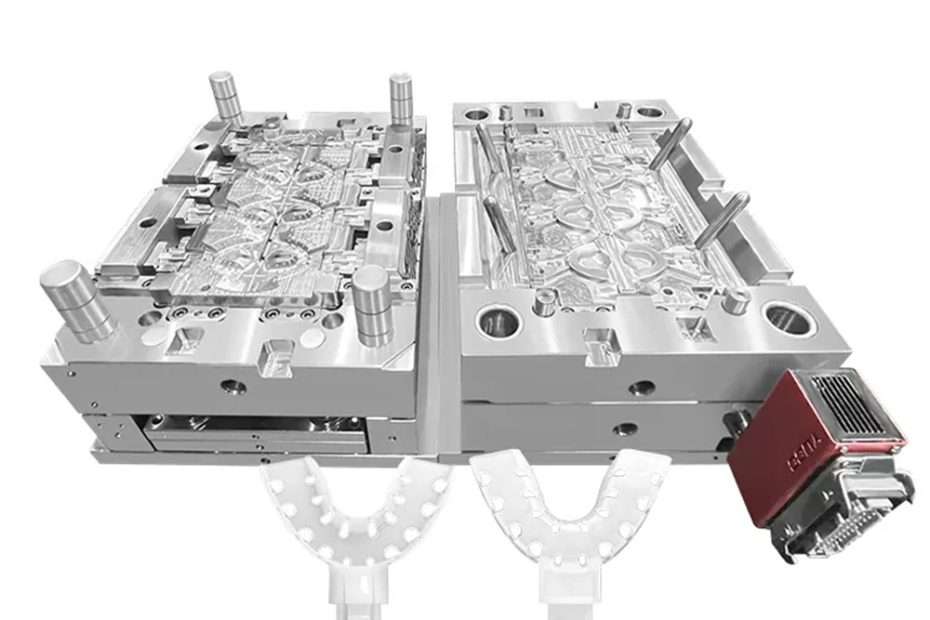
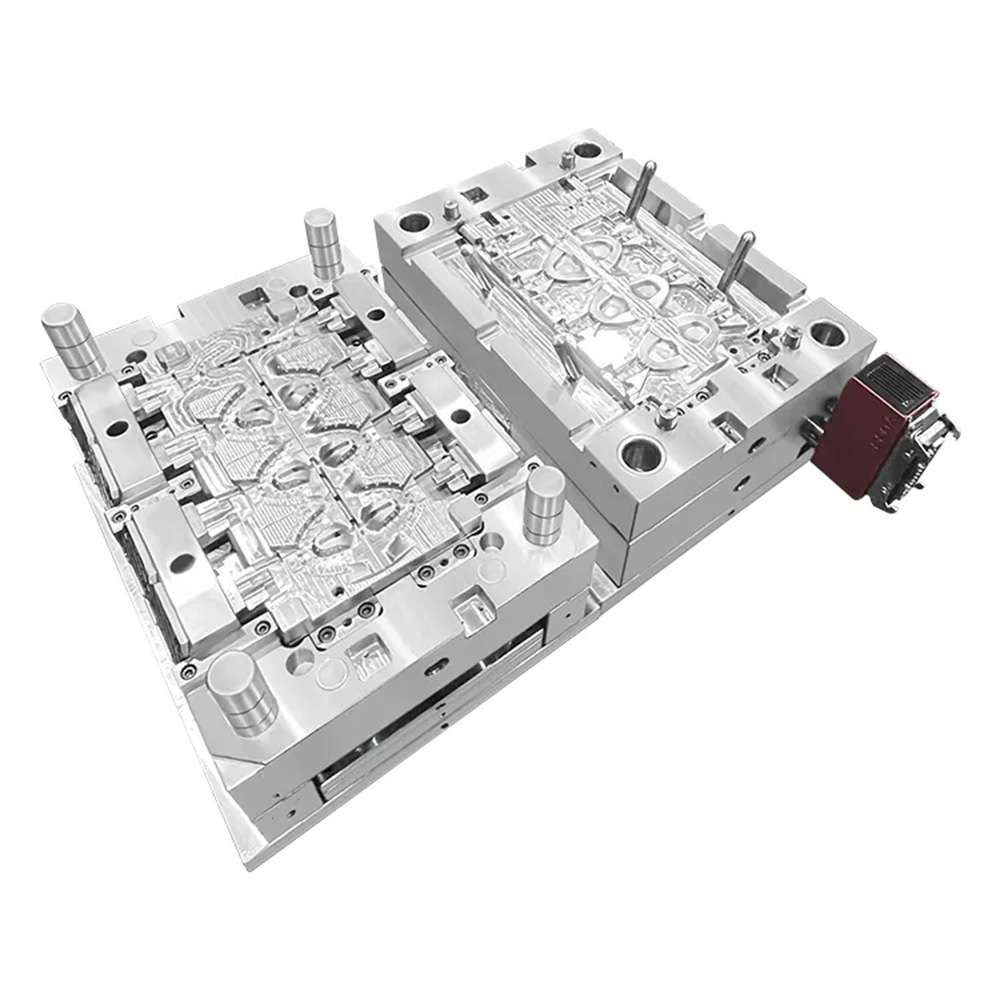
A divided tray mold consists of several individual cavities layered on a single tray. This design allows for efficient production of multiple parts in each molding cycle.
Benefits of Divided Tray Molds:
Their primary advantage lies in increased productivity through reduced cycle times and higher output rates. They also offer flexibility in layout design to accommodate various product geometries.
Materials Used:
These molds are typically made from wear-resistant steel alloys like P20, H13, or 718, ensuring durability and longevity under high pressures and temperatures.
When to Use a Divided Tray Mold:
If your project involves producing a large quantity of small to medium-sized parts with similar shapes, a divided tray mold could be the most effective choice.

Design Limitations:
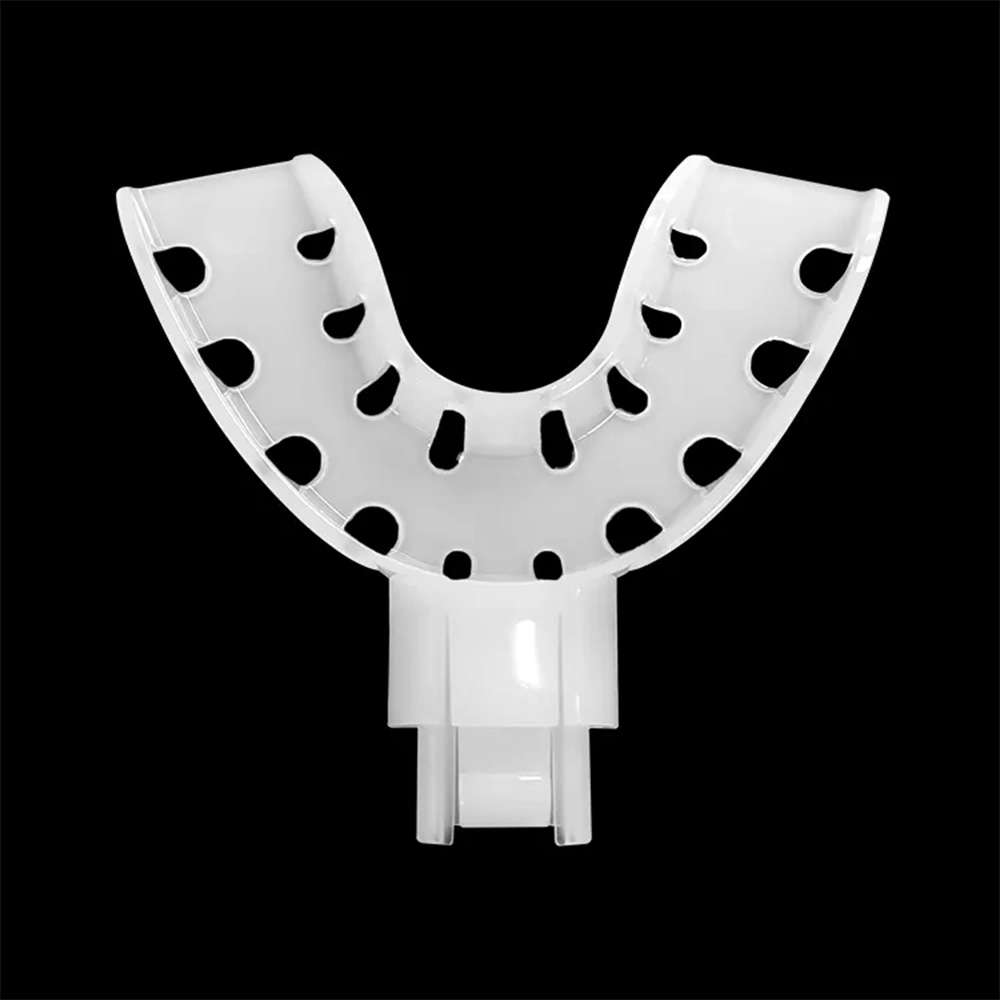
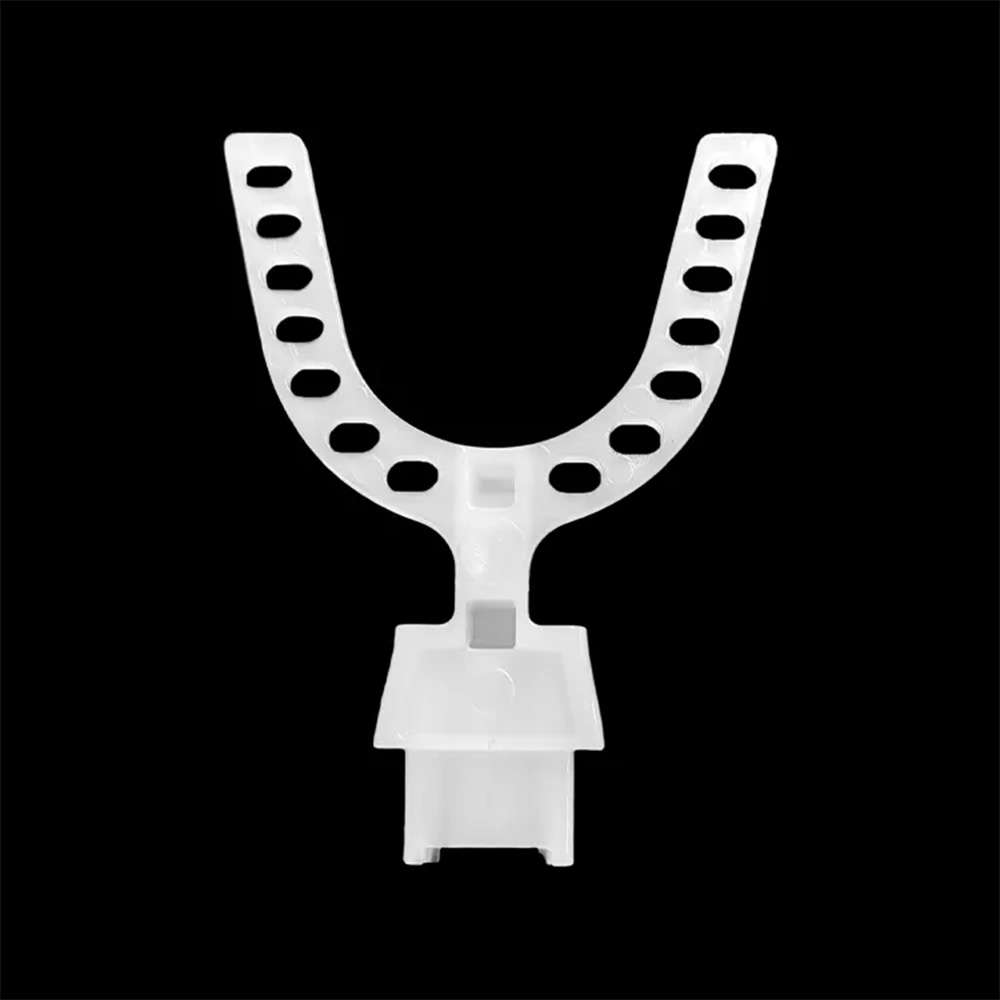
While efficient for certain designs, divided tray molds may not accommodate extremely intricate or undercut designs due to ejection and cooling constraints.
Maintenance and Lifespan:
Regular cleaning, lubrication, and inspection are essential for maintaining these molds. Proper storage and use of mold release agents will further help prevent damage and extend their lifespan.
In summary, divided tray molds are ideal for high-volume, uniform part production, offering efficiency and versatility in the injection molding process.
Convenient Post-Processing
Post-processing is an integral part of many manufacturing workflows, and divided tray molds facilitate this stage. The smooth surfaces produced by these molds require less finishing, while also being compatible with additional processes like silk screening or labeling, streamlining the overall production line.
Bridging the Divide Between Art and Engineering
Are you interested in AIR CONDITIONER PLASTIC PARTS MOLD FOR INJECTION TOOLING
Standards & References
The following industry standards are referenced in this article: