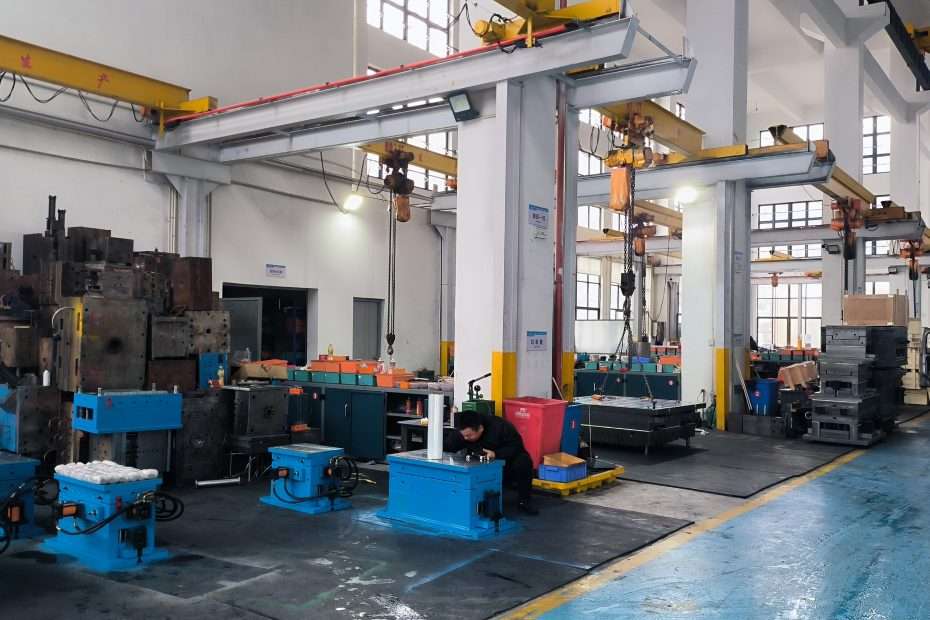
The mold industry is central to modern manufacturing, playing a crucial role in the production of nearly all industrial products. As technology advances and market demands shift, the mold industry continues to evolve and innovate. This article explores the Development trend of mold industry, focusing on technological innovation, material application, intelligent manufacturing, and market demand.
Technological Innovation
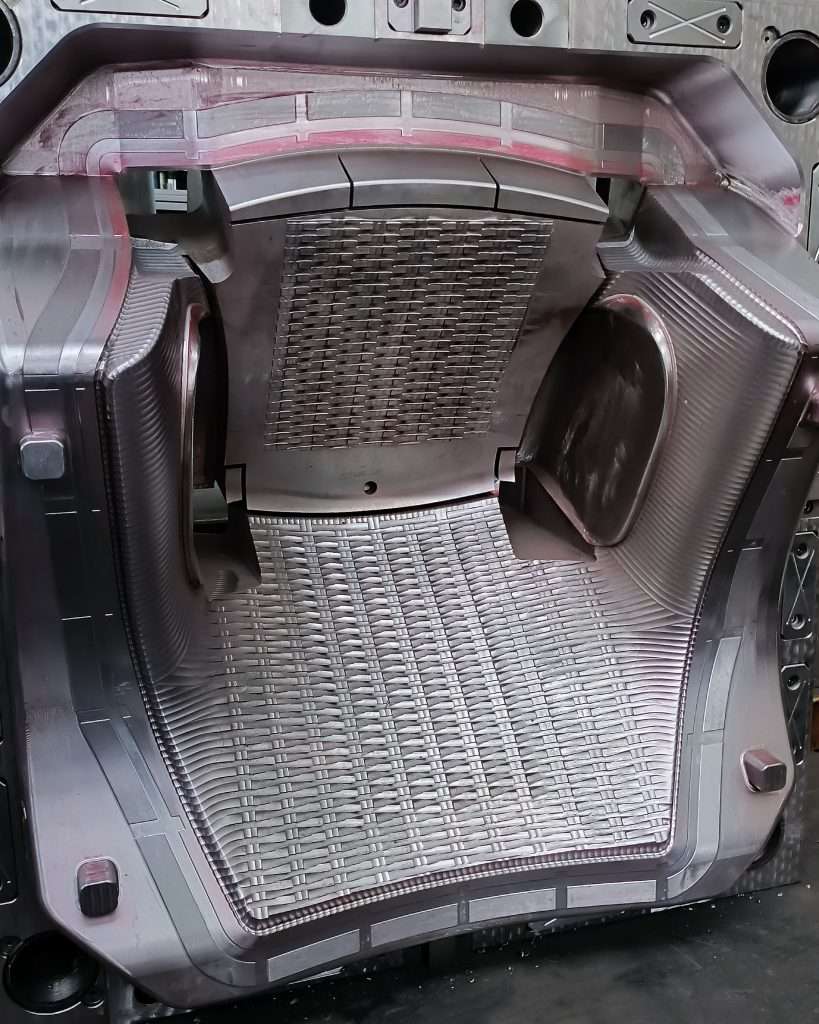
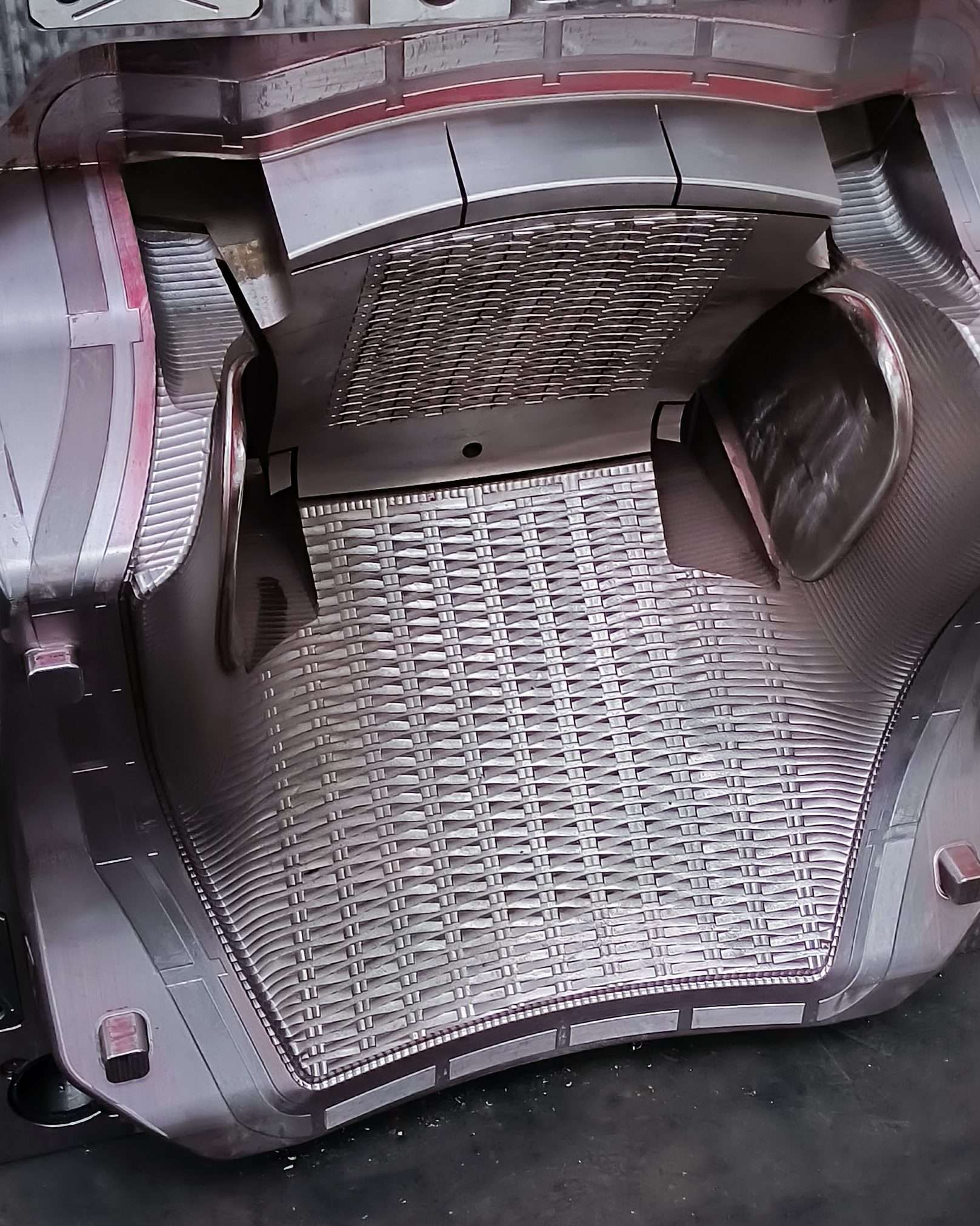
Technological innovation drives the mold industry’s development. Modern mold manufacturing has progressed from traditional manual operations to highly automated and intelligent processes. The widespread use of Computer-Aided Design (CAD), Computer-Aided Manufacturing (CAM), and Computer-Aided Engineering (CAE) technologies has significantly improved design and manufacturing efficiency and precision. Additionally, rapid prototyping technologies, such as 3D printing, have shortened mold production cycles.
Electrical Discharge Machining (EDM) and laser processing technologies also play vital roles in mold manufacturing. These advanced techniques enhance the precision and quality of molds while enabling the creation of complex shapes and fine details that traditional methods cannot achieve.
Material Application
The development of new materials technology has expanded the range of choices for mold materials. While traditional high-hardness, high-strength steel remains the primary material, new composite materials like carbon fiber and glass fiber are increasingly used. These materials offer light weight, high strength, and excellent wear resistance, improving mold lifespan and production efficiency.
Moreover, ceramic materials, with their outstanding high-temperature and corrosion resistance, are used in special molds. The application of these new materials not only enhances mold performance but also broadens their application scope.
Intelligent Manufacturing
Intelligent manufacturing represents the future of the mold industry. With the rapid development of the Internet of Things (IoT), artificial intelligence (AI), and big data technologies, mold manufacturing has entered an era of intelligence. Intelligent manufacturing systems optimize and control the production process through real-time monitoring and data analysis, improving efficiency and product quality.
The integration of sensor technology and automated control systems in mold manufacturing allows for more automation and intelligence. For example, smart molds equipped with sensors can monitor their operational status in real time, identifying and addressing potential issues promptly to reduce downtime and maintenance costs.
Market Demand
Global economic development and industrial restructuring have influenced market demand in the mold industry. Sectors such as automotive, home appliances, electronics, medical devices, and aerospace continuously require high-quality molds. Particularly in emerging fields like electric vehicles and smart home technology, the mold industry faces significant market opportunities.
Furthermore, the trend towards customized and small-batch production presents new challenges and opportunities for the mold industry. To meet diverse customer needs, mold manufacturers must respond with greater flexibility and speed.
Environmental and Sustainable Development
Environmental protection and sustainable development are critical challenges for the mold industry. As environmental regulations become stricter, mold manufacturers must adopt more eco-friendly materials and processes, reducing energy consumption and waste emissions. The promotion of recycling and remanufacturing technologies will also be a key trend in the industry’s development.
How long does mold development take?
The time for mold development varies depending on the complexity and scale of the project. Generally, the entire process of mold design, processing, assembly and testing can take anywhere from a few weeks to a few months. The specific time depends on the following factors:
- Complexity of the mold: The design and manufacturing of complex molds usually takes more time.
- Choice of mold material: Different materials have different processing times.
- Production process: The manufacturing technology and processes used (such as CNC machining, EDM, 3D printing, etc.) will also affect the time.
- Testing and verification: The mold needs to be tested and adjusted many times before it goes into production to ensure its performance and quality.
Generally speaking, small and simple molds may only take a few weeks, while large and complex molds may take several months to complete.
Conclusion
The Development trend of mold industry highlight the dual forces of technological advancement and market demand. As new materials, technologies, and intelligent manufacturing continue to evolve, the mold industry will encounter more opportunities and challenges. Future mold manufacturing will be more efficient, intelligent, and eco-friendly, providing robust support for product innovation and production efficiency across various industries.
Standards & References
The following industry standards are referenced in this article: