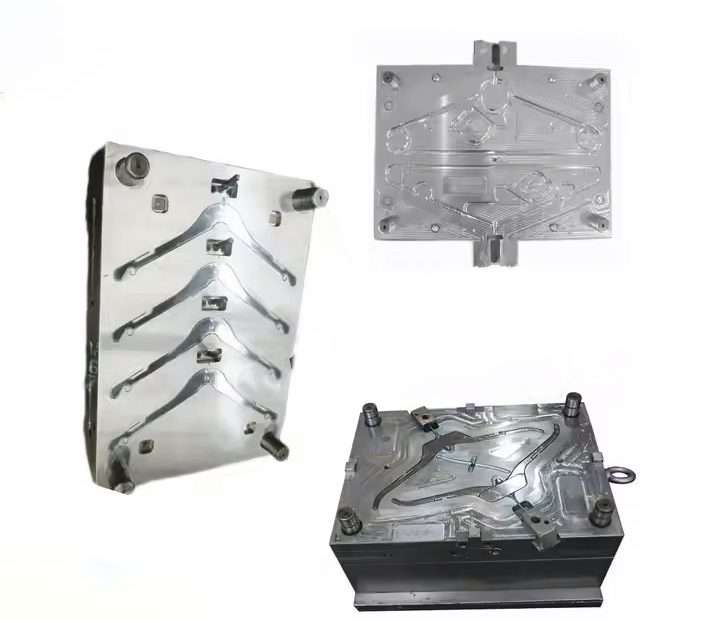
Clothes hangers come in various forms and materials, from simple wooden hangers to complex plastic, metal, and composite hangers. Each type has its unique design and manufacturing process. Among these processes, the design and manufacturing of molds are undoubtedly the most critical. Molds not only determine the shape and size of the clothes hanger but also directly affect its quality and cost. Therefore, research on clothes hanger molds holds significant practical value.
The Design Principles of Clothes Hanger Molds
The design of clothes hanger molds is a complex process that considers multiple factors such as the shape, size, material, and production process of the clothes hanger. During the design process, designers need to determine the shape and size of the clothes hanger based on its function and usage scenario while considering the difficulty and cost of mold manufacturing.
Shape Design
The shape design of clothes hangers forms the foundation of mold design. Designers need to determine the shape based on the usage scenarios and user needs of the clothes hanger. For example, for home-use hangers, designers might opt for more rounded and aesthetically pleasing shapes; whereas for commercial hangers, they may focus more on load-bearing capacity and stability. Additionally, designers must consider the compatibility of the hanger with other accessories like hooks and clips.
Size Design
Size design is key in mold design. Designers need to determine the dimensions based on the actual use cases of the clothes hanger. This includes parameters such as length, width, and thickness. When determining sizes, designers must consider factors like load-bearing capacity, stability, and user comfort. They also need to account for the difficulty and cost of mold manufacturing.
The Manufacturing Process of Clothes Hanger Molds
The manufacturing process of clothes hanger molds involves multiple steps, each requiring precise operations and strict quality control. Below are the main steps in clothes hanger mold manufacturing:
Material Preparation:Before mold manufacturing, the required materials must be prepared first. These materials typically include steel, aluminum, plastic, etc. When selecting materials, it’s essential to consider the mold’s usage environment and requirements to ensure mold quality and longevity.
Machining and Forming:Once materials are ready, machining and forming follow. This step usually involves cutting, milling, drilling, and other operations. Various machine tools must be used during this process to ensure part precision and quality.
Heat Treatment:To enhance the hardness and wear resistance of the mold, heat treatment is often necessary. Methods of heat treatment include quenching and tempering. Heat treatment alters the material’s microstructure and properties, thereby extending the mold’s lifespan and reliability.
Surface Treatment:To improve the surface quality and corrosion resistance of the mold, surface treatment is usually required. Methods of surface treatment include chromium plating and spray coating. Surface treatment enhances the mold’s appearance and performance, prolonging its lifespan.
Assembly and Debugging:After completing the above steps, all parts of the mold are ready for assembly and debugging. During assembly, it’s vital to ensure the fit precision and appropriate clearance between parts. In debugging, the working state and performance indicators of the mold must be checked to meet design requirements.
Quality Inspection:The final step is quality inspection, summarizing and evaluating the entire mold manufacturing process. Quality inspection includes appearance checks, dimension measurements, performance tests, and more. Only molds that pass quality inspection can be officially put into use.
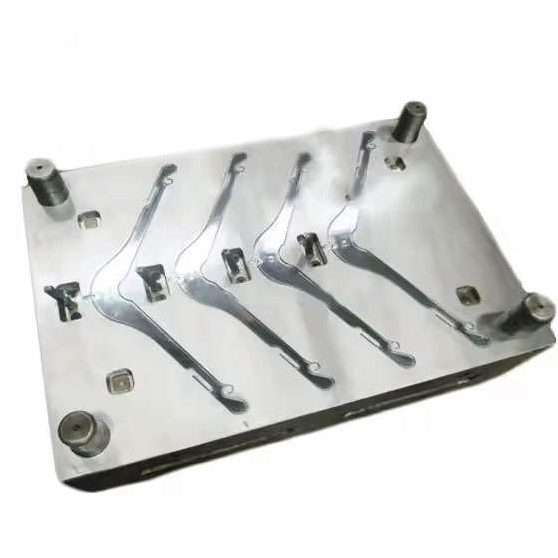
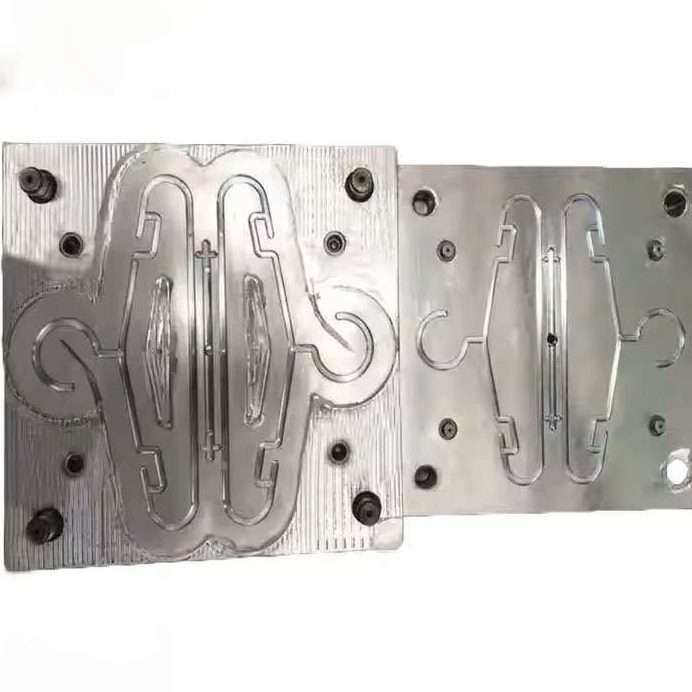
Application of Clothes Hanger Molds
Home Use Hangers: These are widely used in households to hang different types of clothes, such as shirts, coats, pants, and dresses. Molds are used to produce hangers that meet diverse household needs by offering various sizes and styles.
Commercial Hangers: These hangers are used in clothing stores, dry cleaners, and garment factories to display and store various garments. Commercial hangers require higher durability and aesthetic appeal, which molds can provide.
Hotel Hangers: These are used in hotel rooms and public areas for guests. Hotel hangers need to be simple, attractive, and durable. Hangers produced using molds can ensure consistent quality and standards.
Special Purpose Hangers: These include pants hangers, skirt hangers, scarf hangers, and tie hangers. Molds allow these hangers to be designed in specific shapes to better protect and display specific clothing and accessories.
Display Hangers: Used in shopping malls and exhibitions to showcase new or featured products. These hangers must be functional and decorative, and molds can provide highly customized designs.
Can the hanger mold be customized?
Of course, customization is a key aspect of our mold making process. We can modify the mold design to incorporate your unique design elements, including logo placement, color schemes, and any special features you may require. Our experienced designers and engineers work closely with our customers to ensure the final product meets their exact specifications.