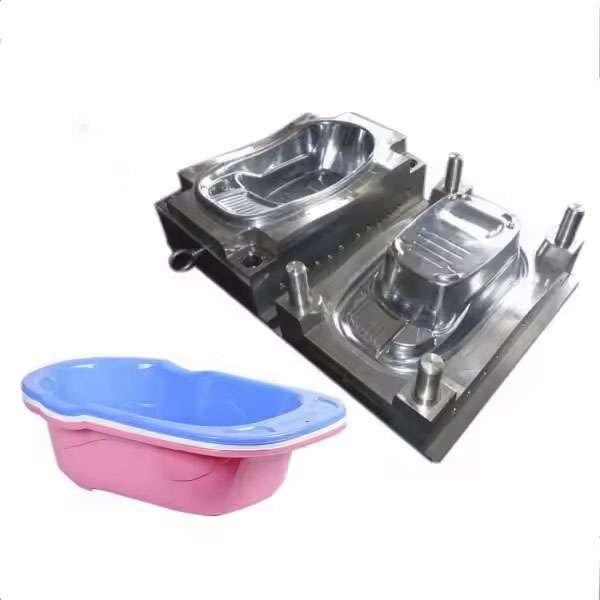
In modern society, parents are increasingly concerned about their infants’ quality of life and health. As an essential tool for daily baby care, the safety, comfort, and convenience of baby bath tubs have become focal points for parents. The advent of Baby Bathtub Mold provides a reliable solution for manufacturing high-quality baby bath tubs.
What is a Baby Bath Tub Mold?
A baby bath tub mold is a tool used for manufacturing baby bath tubs. It is usually made of silicone, plastic, or other materials and has the shape and internal structure of a baby bath tub. By pouring liquid materials (such as liquid silicone or plastic) into the mold and allowing them to cure, a baby bath tub can be obtained. The introduction of baby bath tub molds enables manufacturers to mass-produce standardized baby bath tubs while also providing families with the option to DIY personalized baby bath tubs.
Design Concept of Baby Bathtub Mold
Safety Design
I ensure the safety of baby bathtub molds by focusing on smooth edges and eliminating sharp corners to prevent injuries during use. I carefully design the bathtub’s depth and shape to avoid accidents such as drowning.
Ergonomic Design
I follow ergonomic principles to ensure the baby maintains a comfortable posture while bathing. I consider the baby’s body characteristics when determining the bathtub’s shape, size, and tilt angle, allowing them to sit or lie down naturally.
Innovation and Multifunctionality
I continually innovate the design of baby bathtubs to meet diverse consumer demands. Modern baby bathtubs offer multifunctionality, such as foldable designs, smart bathtubs with temperature displays, and bathtubs with massage functions. I consider and implement these designs during the mold design stage.
Manufacturing Process of Baby Bathtub Mold
Selection of Mold Materials
I choose mold materials based on their impact on the mold’s lifespan and production cost. Common materials include steel, aluminum alloy, and copper alloy. Steel offers high hardness and wear resistance but is difficult and costly to process. Aluminum alloy has good processability and thermal conductivity but lacks hardness and wear resistance. Copper alloy provides excellent thermal conductivity and corrosion resistance but is expensive. Therefore, I select mold materials by considering factors such as production volume, quality requirements, and cost control.
Mold Manufacturing Process
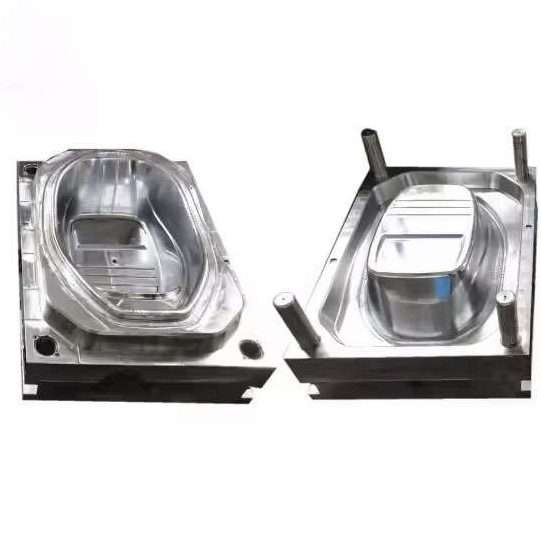
I start by designing the mold based on product design drawings, determining the structure, size, and material parameters. Then, I use CNC machining, Laser cutting machine cutting, and EDM processes to ensure precision and surface quality. I assemble the processed mold components and carry out surface treatment and polishing as needed. Finally, I debug the mold to ensure it works correctly and produces products that meet the requirements.
Quality Control
I maintain strict quality control during the mold manufacturing process to ensure the quality and production efficiency of the product. I use advanced measuring instruments and testing methods to inspect the mold’s dimensions, shape, and surface quality, ensuring accuracy and consistency. I also perform trial molds to verify the molding effect and production performance, addressing any issues promptly to ensure the mold’s lifespan and stability.

Material Selection for Baby Bathtub Mold
Safe and Environmentally Friendly Materials
I select mold materials that meet safety and environmental standards since baby bathtubs come into direct contact with the baby’s skin. Common materials include ABS, PP, and PE, which offer durability and chemical stability without posing health risks to the baby. Additionally, I consider materials with high-temperature resistance and antibacterial properties to ensure that the products do not release harmful substances in high-temperature environments and effectively prevent bacterial growth.
High-Strength Materials
I choose mold materials that consider strength and toughness, as baby bathtubs need to withstand pressure and impact during use. ABS material offers high strength and impact resistance, suitable for manufacturing complex structures that need to withstand significant pressure. PP material provides good toughness and fatigue resistance, ideal for producing lightweight and durable products. PE material boasts excellent chemical corrosion resistance and wear resistance, suitable for manufacturing products that resist corrosion and wear.
Market Applications of Baby Bathtub Mold
Household Goods Market
I focus on the household goods market, where baby bathtubs play a crucial role. With the improvement of living standards and the increased emphasis on infant health, more families choose safe, comfortable, and convenient baby bathtub products. I continuously innovate and improve mold design and manufacturing levels to meet market demands and enhance product market competitiveness.
Medical and Hygiene Market
In the medical and hygiene field, I cater to hospitals, postpartum care centers, and infant care institutions. These facilities have high safety and hygiene requirements for products. I ensure mold design and manufacturing meet relevant medical standards and regulations. Additionally, I consider product cleanliness and ease of disinfection to maintain good hygiene in high-frequency use situations.
Export Market
I recognize China’s significant competitiveness in the international market for baby bathtub products. I ensure the quality of mold design and manufacturing meets different countries’ and regions’ market demands and standards. By designing and manufacturing products accordingly, I improve international competitiveness and market share.
Our Factory’s Customization Service
We understand that each customer’s needs are unique, hence our factory offers comprehensive customization services to meet different customers’ specific requirements. Whether it’s material selection, size customization, or special functional designs, we can fulfill them. Our professional team works closely with customers from conceptual design to final product delivery, ensuring the final product not only meets customer expectations but also stands out in the market.