
The mold industry serves as the cornerstone of modern manufacturing, integral to the production processes across various sectors. This article delves into the application of molds in specific industries, namely automotive manufacturing, home appliance production, and medical device manufacturing, and analyzes their impact and contribution to these fields.
Application of Mold in Automotive Manufacturing
Automotive manufacturing is one of the most extensive users of molds. Molds play a critical role in producing various car components, from bodies and engine parts to interior fittings. Molds enable mass production with high precision and low cost, thus enhancing production efficiency and reducing manufacturing expenses.
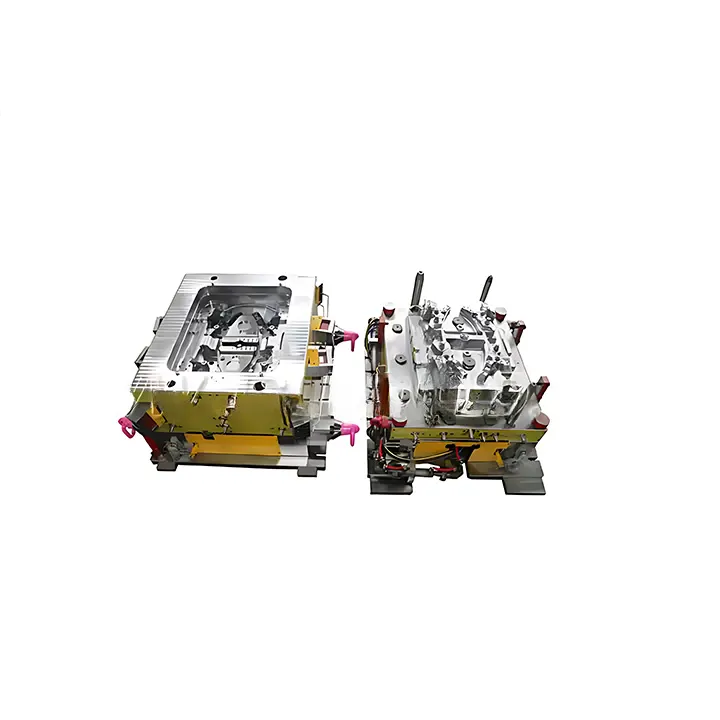
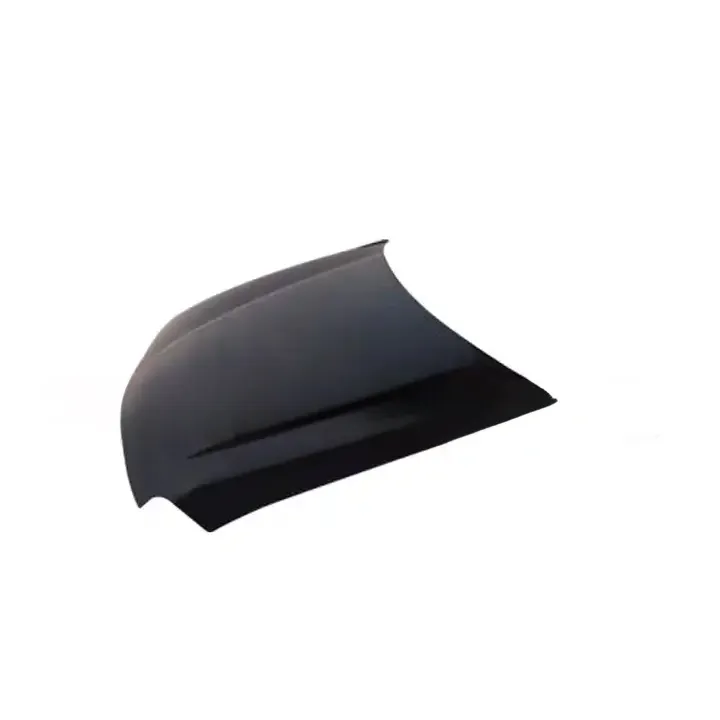
In car body manufacturing, stamping molds are among the most commonly used. By applying high pressure, these molds shape metal sheets into specific forms and dimensions, used for manufacturing car doors, roofs, and hoods. This process not only ensures high efficiency but also maintains consistency and precision in parts. Furthermore, injection molds are crucial in producing automotive interior components. Utilizing injection molding technology allows for the creation of intricately shaped and aesthetically pleasing interior parts, such as dashboards and seats.
Application of Molds in Home Appliance Production
The home appliance industry is another major application field for molds. Molds improve production efficiency and enhance the quality and design of home appliance products. Household appliances like refrigerators, washing machines, and air conditioners consist of numerous plastic and metal parts, all reliant on molds for manufacturing.
Injection molds are widely used in home appliance production, facilitating the creation of various plastic casings and internal parts. For example, the inner liners of refrigerators, the outer shells of washing machines, and the panels of air conditioners are all produced using injection molding. These parts require precise dimensions, excellent mechanical properties, and attractive appearances. Additionally, die-casting molds hold a significant position in the home appliance sector, producing high-strength metal components like compressor housings for refrigerators and motor housings for washing machines.

Application of Molds in Medical Device Manufacturing
Medical device manufacturing demands high precision and quality, making mold application vital. Molds ensure the high accuracy and consistency of medical device components, guaranteeing the safety and reliability of the products.
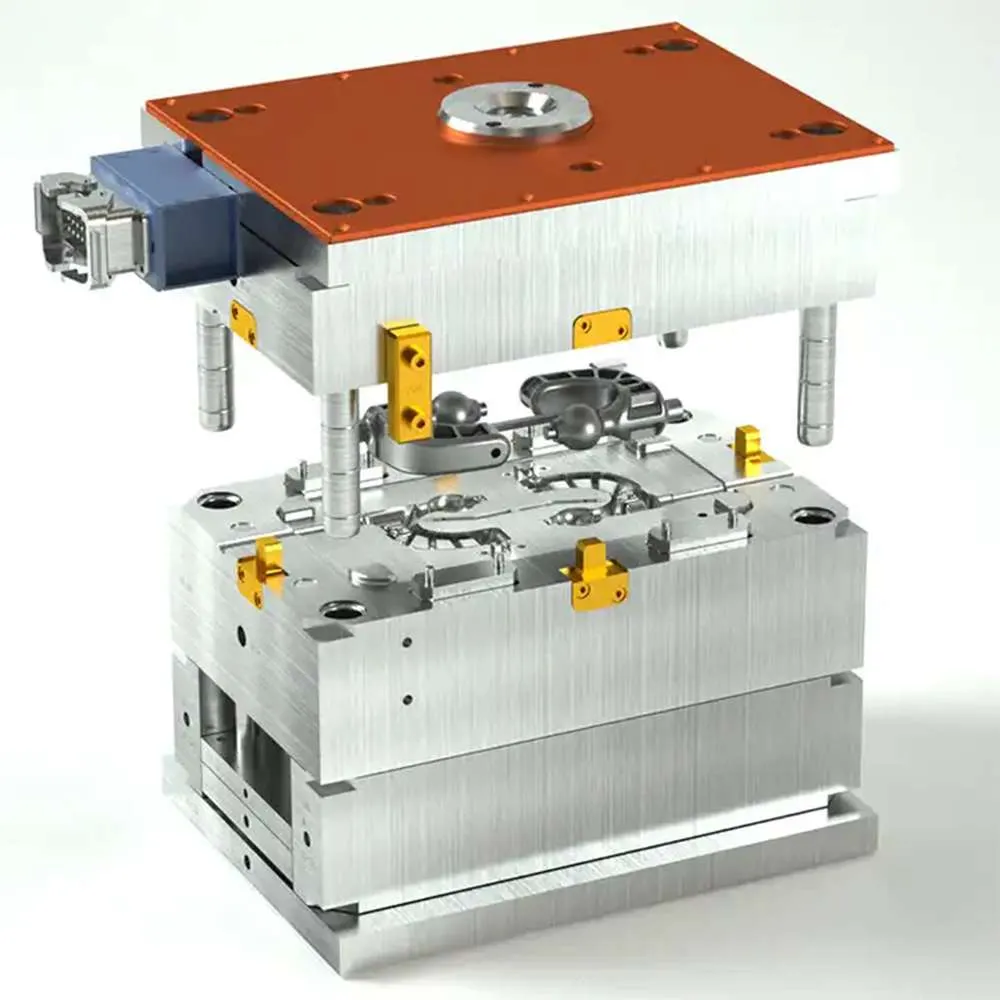
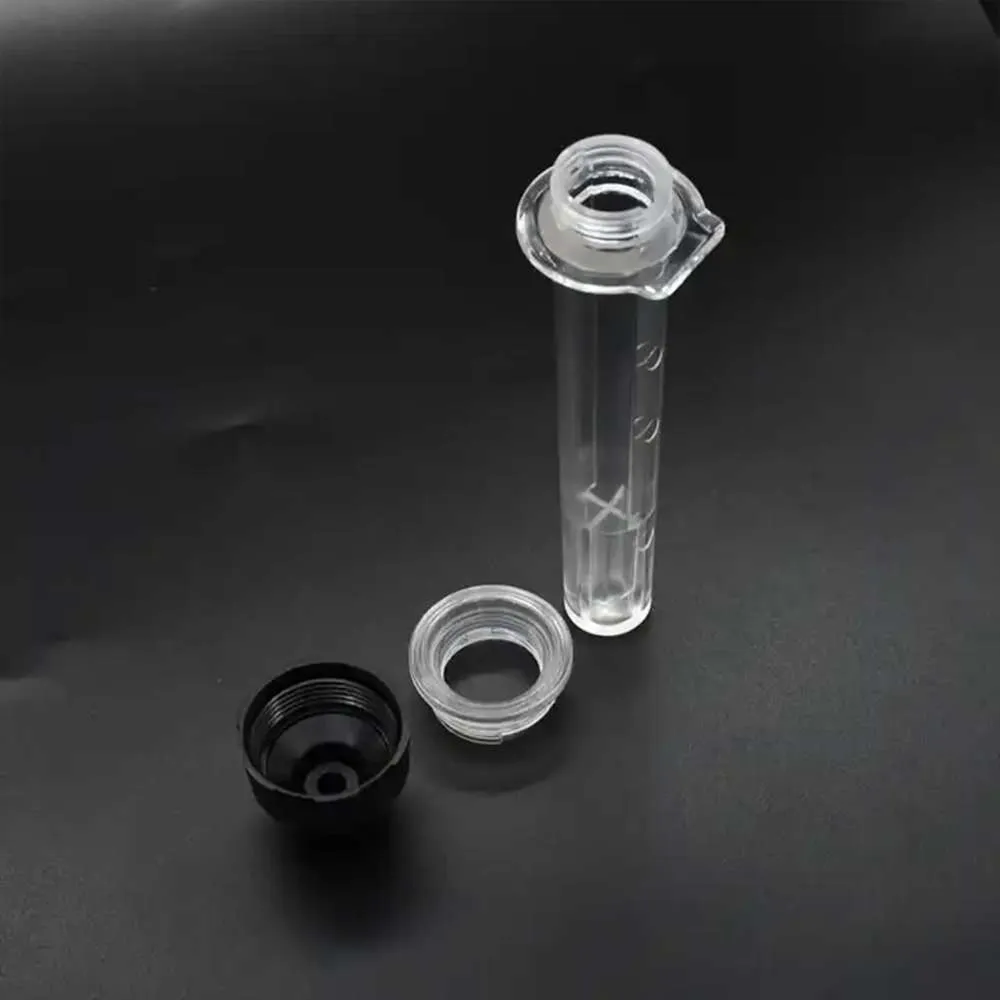
Injection molds see extensive use in medical device production, creating various plastic parts like syringes, test tubes, and catheters. These components require precise dimensions and excellent biocompatibility and chemical stability. High precision and consistency in mold manufacturing ensure the safety and efficacy of medical devices. Additionally, silicone molds are widely applied in medical devices, particularly for producing flexible and elastic parts such as silicone pads and catheters.
Impact on Industry Development
The application of molds in these specific industries boosts production efficiency and drives technological progress and product innovation. By continuously advancing mold technology, manufacturing companies can swiftly respond to market demands and develop more competitive products. The high precision and consistency of molds ensure stable product quality, enhancing a company’s market competitiveness.
Moreover, mold application promotes the improvement and optimization of production processes. Adopting advanced mold manufacturing technologies and processes, like 3D printing and laser processing, shortens product development cycles and reduces manufacturing costs. Advances in mold technology provide robust support for the sustainable development of the manufacturing industry.
Conclusion
Molds, as essential tools in modern manufacturing, play a crucial role in automotive manufacturing, home appliance production, and medical device manufacturing. The application of mold technology not only improves production efficiency and product quality but also drives technological advancements and innovative development in these industries. With ongoing advancements in mold technology and its expanding application scope, molds will continue to demonstrate their significant value across more industries, becoming a vital force in driving manufacturing development.