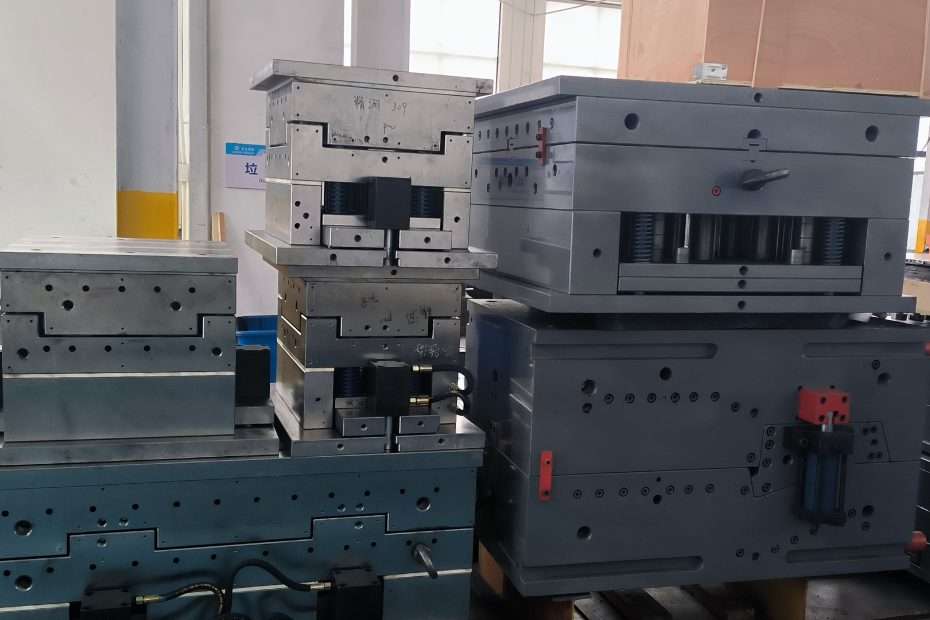
The Importance of Mold Design and Manufacturing in Modern Industry
Mold design and manufacturing hold a crucial position in modern industrial production. Molds are core tools in manufacturing. They determine a product’s appearance and dimensions. Molds impact product quality and production efficiency. This article will explore mold design and manufacturing. It covers basic concepts and key steps. It also discusses material selection and wide applications. These aspects span various industries.
Mold Design:
Firstly, mold design forms the foundation of mold manufacturing. Designers analyze and plan based on specific product requirements. This process includes choosing the appropriate mold type, determining the mold structure, and designing the mold’s dimensions and shape. Modern mold design often uses Computer-Aided Design (CAD) software to enhance precision and efficiency. CAD software helps designers quickly create 3D models, perform simulation tests, and predict mold performance in actual use. This reduces design errors and optimizes mold performance.
Mold Manufacturing:
Once the design is complete, the mold manufacturing stage begins. This involves various processes and technologies, including material selection, component machining, mold assembly, and testing. Manufacturers typically use high-strength steel or other durable materials for molds. This ensures stability and durability under high temperatures and pressures. Common manufacturing techniques include CNC (Computer Numerical Control) machining. They also use electrical discharge machining. Laser cutting and 3D printing are other techniques used.These advanced technologies improve manufacturing precision, shorten production cycles, and reduce costs.
Material Selection:
Material selection is crucial in mold design and manufacturing.Different production needs and process requirements determine material choice. Manufacturers use high-hardness, high-wear-resistant steel for injection molds. They widely use aluminum alloys for lightweight and heat-dissipating molds. As composite material technology develops, they use new materials like carbon fiber and glass fiber. These materials enhance mold performance and longevity.
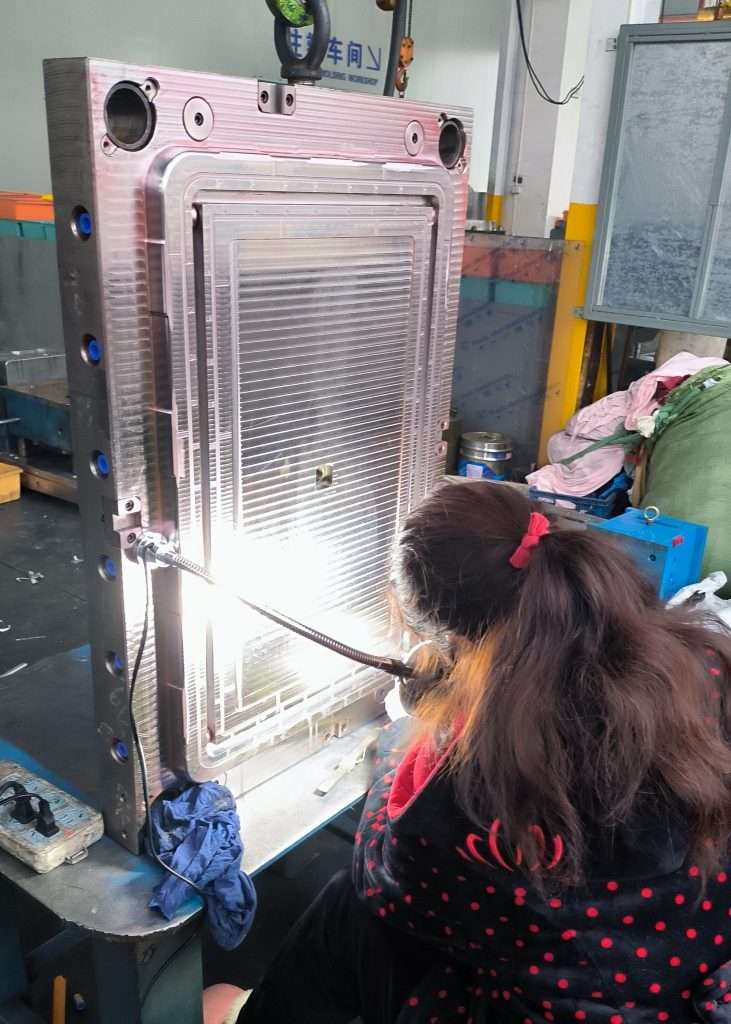
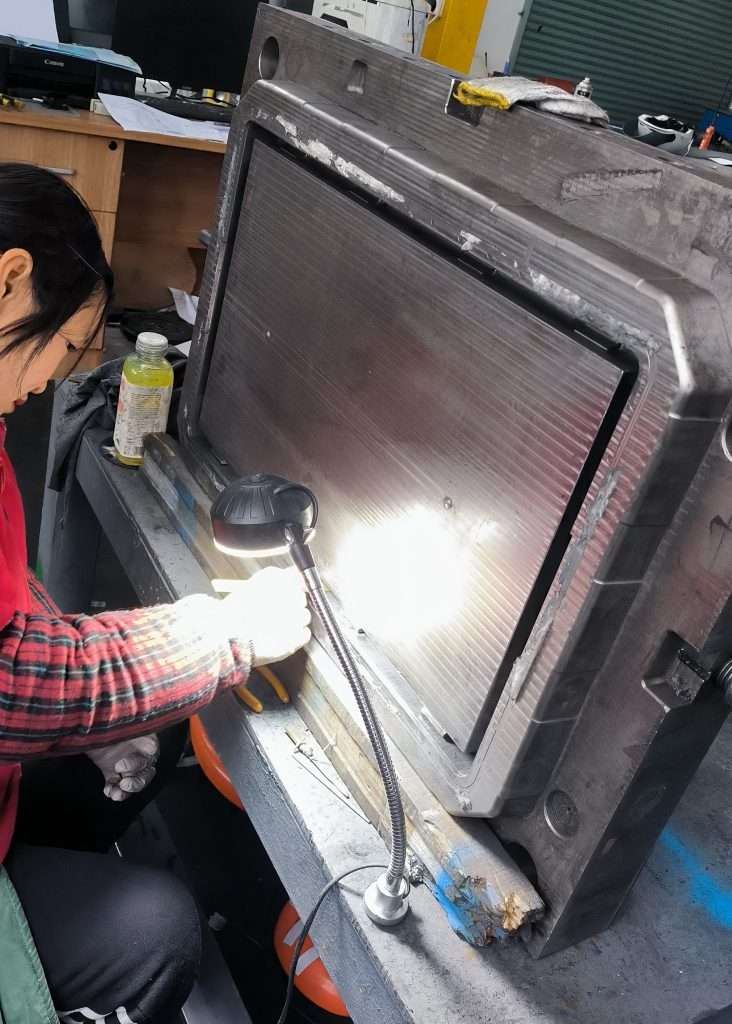
Why is mold so expensive?
- Material cost: Molds usually require the use of high-strength, high-durability materials such as tool steel or carbide. These materials are expensive in themselves and require special treatment to enhance their performance.
- Precision machining: The manufacture of molds requires high-precision machining technologies such as CNC machining, EDM machining, etc. These machining technologies not only require highly skilled operators, but also require expensive equipment and tools.
- Design and development: The design of molds is a complex process that requires professional designers and engineers to perform detailed calculations and simulations. Multiple modifications and tests may be required during the design process to ensure that the mold can meet production needs.
- Heat treatment and surface treatment: In order to improve the service life and performance of the mold, heat treatment and surface treatment are usually required. These treatment processes add additional costs.
- Quality control: The quality of the mold directly affects the quality of the final product. Therefore, strict quality control is required during the mold manufacturing process, which also increases costs.
- Maintenance and repair: The mold may wear or damage during use and requires regular maintenance and repair. These additional maintenance costs are also part of the mold cost.
- R&D and innovation: With the development of technology, the mold industry is also constantly conducting R&D and innovation to meet new production needs. These R&D activities require a lot of capital and human resources.
- Market demand: The demand for molds is usually customized, which means that each mold is unique. This customized production model leads to higher production costs for molds.
Wide Applications of Molds
Molds have broad applications across various industries. Manufacturers in the automotive industry use molds to produce components like engine hoods, doors, and dashboards efficiently and accurately. Molds also play significant roles in home appliance manufacturing. They are essential in electronics manufacturing, medical devices, and aerospace.For instance, molds produce washing machine shells and refrigerator liners in home appliance manufacturing. In electronics, molds create complex parts like phone cases and computer components. In the medical field, molds help produce high-precision medical device components like syringes and surgical instruments.
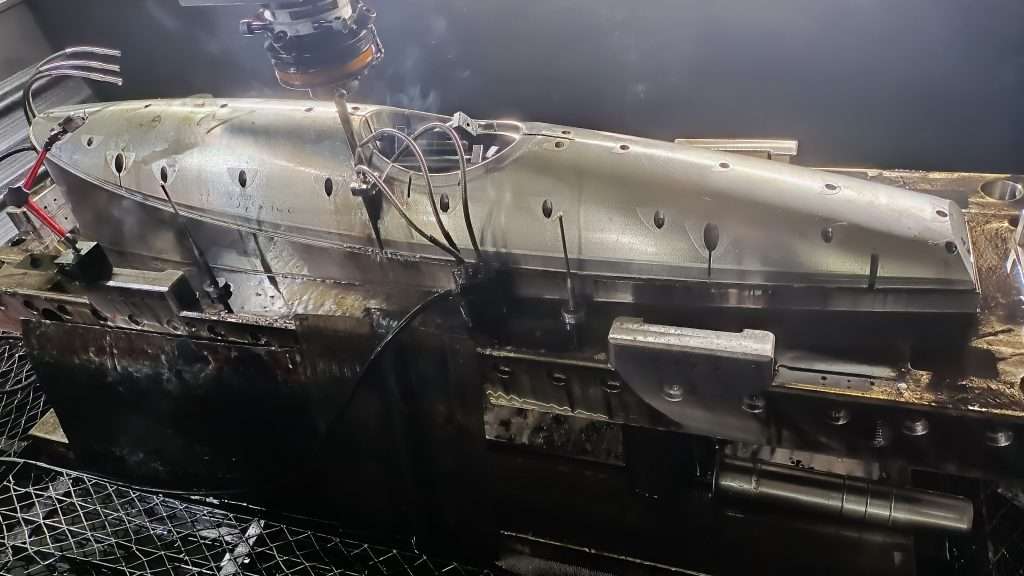
Future of Smart Manufacturing and Mold Technology
Advancements in mold technology drive the progress of smart manufacturing.Modern molds innovate in structural design and material selection. They incorporate sensor technology and automated control systems. This achieves intelligent and digitalized manufacturing processes. This improves production efficiency and product quality and significantly reduces costs and energy consumption.
Conclusion
Mold design and manufacturing are integral parts of modern industrial production, playing an irreplaceable role in enhancing product quality and production efficiency. As technology advances, mold technology continues to develop and improve, providing strong support and assurance for various industries. In the future, with further development in smart manufacturing and new material technologies, mold design and manufacturing will embrace even broader prospects.
Standards & References
The following industry standards are referenced in this article: