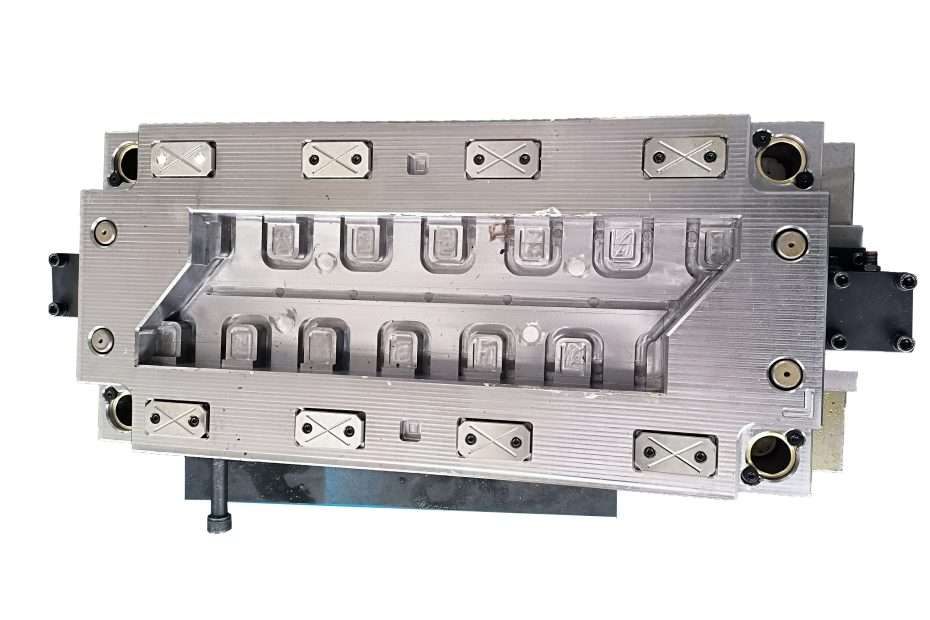
What is a mold?
In manufacturing, molds are crucial for several reasons. They significantly improve production efficiency. A one-time investment in molds allows for rapid mass production of high-precision, complex-shaped parts, shortening the production cycle. Molds produce consistent, high-quality parts, reducing human errors and improving product reliability and aesthetics. Additionally, molds lower production costs. Mass production reduces the cost of each unit, especially in large-scale production, making the economic benefits of molds more apparent.
Types of molds
A mold is a special tool used to produce parts with complex shapes. Molds enable large-scale production of products in industrial production, ensuring that each part has the same size and shape. Manufacturers typically use steel and aluminum to make molds. The mold type varies depending on its purpose and the material being produced. Molds are crucial in manufacturing, determining the product’s shape, size, and surface qualiTechnicians use molds as special tools to produce parts with complex shapes.ty. For instance, in injection molding, technicians inject molten plastic into the mold cavity at high pressure and then cool it to form a solid product. In stamping, molds punch and shape metal sheets to produce precise metal parts.
Here are some common mold types and their brief introduction:
- composites mold:Manufacturers specially design and create composite molds to produce composite products. They typically make these molds from metal or high-strength composite materials.This ensures they withstand high temperatures and pressures during molding, maintaining structural stability and accuracy.
- Injection mold: Mainly used for the production of plastic products. Technicians inject molten plastic into the mold cavity, where it solidifies after cooling. They widely use injection molds to manufacture plastic parts. These include automotive parts, electronic product housings, and household items.
- Stamping die: used for stamping metal sheets.Technicians deform the sheet in the die by applying external force to obtain the desired shape and size. They widely use stamping dies in the automotive industry and home appliance manufacturing to produce automotive sheet metal parts and home appliance housings.
- Casting mold: used for casting production of metals and alloys.Technicians pour molten metal into the mold and cool it to form the required metal parts. They use casting molds to manufacture various metal parts with complex shapes, such as engine blocks and mechanical parts.
- Forging die:Technicians apply high temperature and pressure to the metal blank, causing it to plastically deform and take on the desired shape. They widely use forging dies in aviation, automobiles, and machinery manufacturing. They produce high-strength metal parts like gears and shaft components.
- Extrusion die: used for extrusion molding of plastics or metals. Technicians extrude the material through the extruder, forming it into a continuous profile through the die. They often use extrusion dies to manufacture pipes, profiles, cable sheaths, and other similar products.
Technicians use blow molding molds to produce hollow plastic products. They shape thermoplastic plastics through the blow molding process, often creating hollow products like bottles, containers, and barrels.
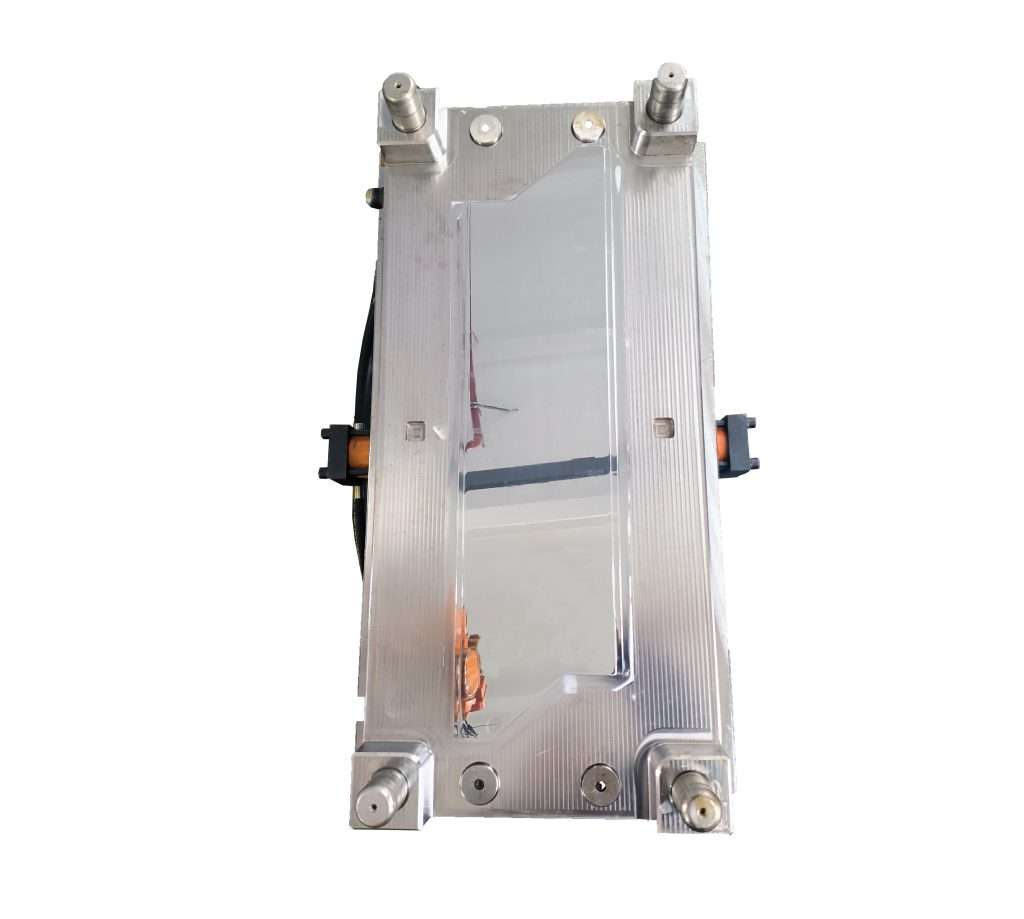

What is the compression molding process for composite materials?
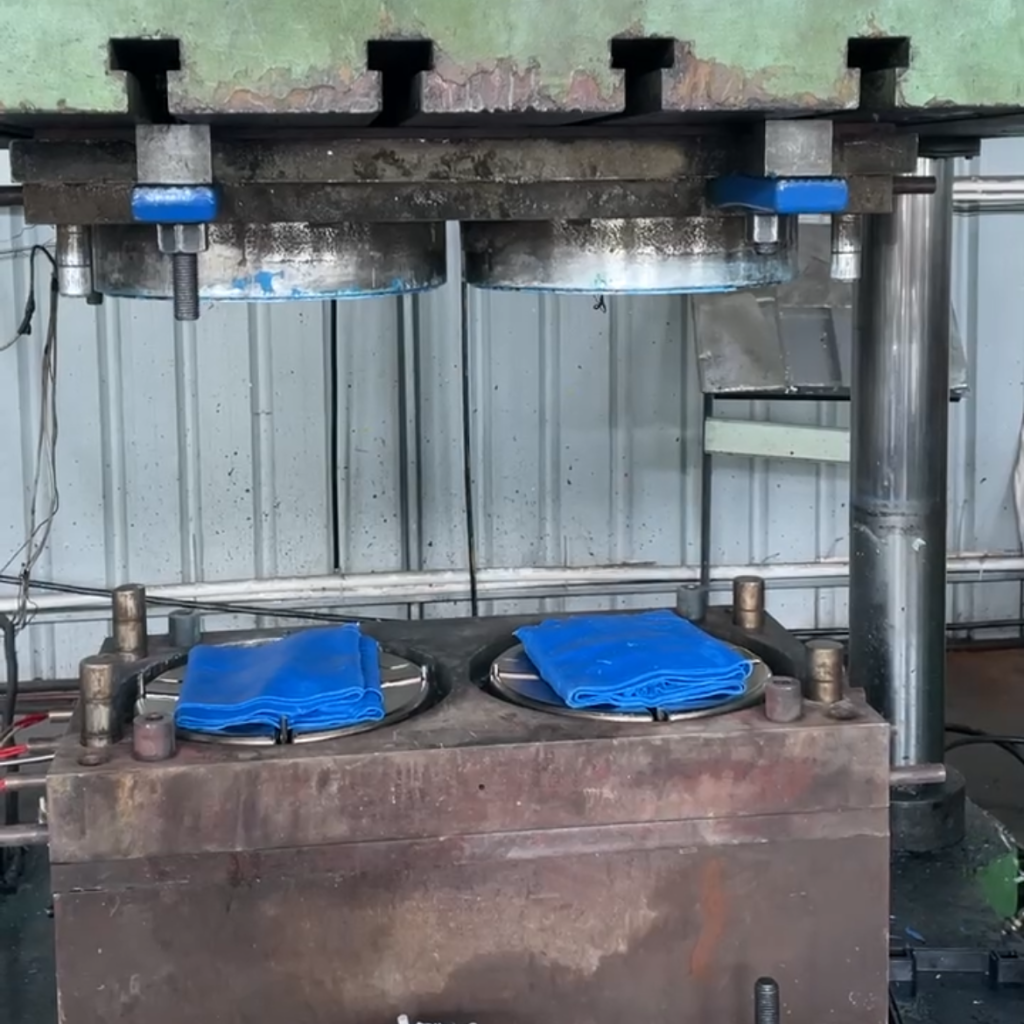
The compression molding process is widely used in composite manufacturing. It begins with designing and manufacturing a mold, which determines the final product’s appearance and performance. Initially, technicians place the fiber material pre-impregnated with resin into the mold. This step ensures that the material is evenly distributed and achieves the desired thickness.
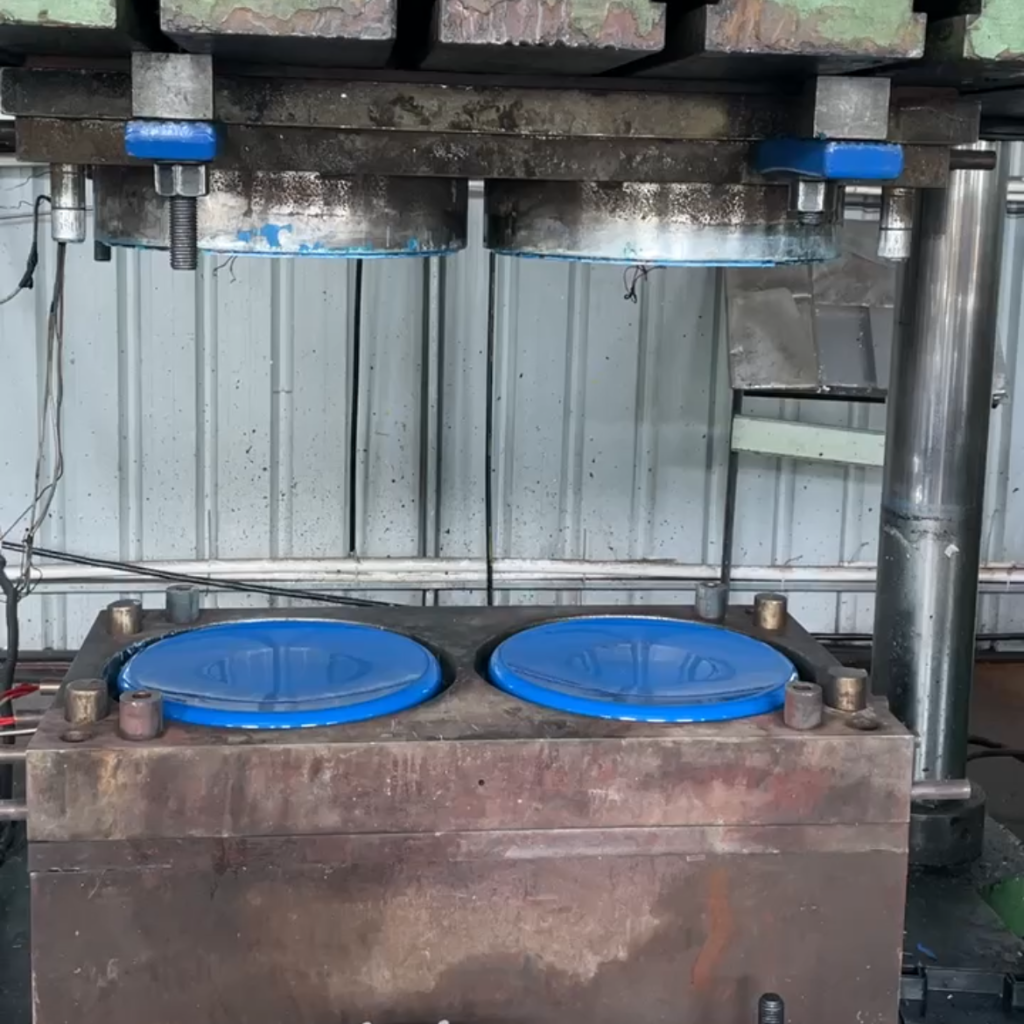
Next, technicians put the mold into a hot press for heating and pressurization. Under high temperature and pressure, the resin melts and penetrates into the reinforcement material, expelling air and any voids to ensure the density and strength of the material. Technicians precisely control the curing process so that the resin solidifies and firmly bonds with the fiberglass to form a strong composite structure. Products made of fiberglass.
After curing, technicians cool and open the mold to remove the finished product.At this stage, a quality inspection ensures the product meets design requirements. If needed, technicians perform post-processing steps like trimming and grinding to achieve the desired appearance and function.
The key to the compression molding process is precise control of temperature, pressure, and time. This ensures product quality and consistency. This process is suitable for high-strength, high-precision composite products. Industries such as aerospace, automotive, electronics, and construction widely use these molds. This active phrasing emphasizes the dynamic role molds play across sectors.They play a critical role in ensuring the production of high-precision, high-quality components, contributing to the efficiency and reliability of these sectors.The compression molding process allows efficient production of complex, high-quality composite products.
Application of molds in industry
Automotive Industry
The automotive manufacturing industry extensively uses molds.They produce car bodies, engine parts, and various other components, ensuring precision and quality in the manufacturing process. This application of molds helps maintain consistency and high standards across all automotive parts.The car body includes doors, hoods, roofs, and body side panels, etc.
These parts require high-precision and consistency manufacturing to ensure the overall performance and aesthetics of the car. Molds are crucial in manufacturing engine parts like cylinder blocks, intake manifolds, and pistons. They ensure high precision and quality in these vital components, contributing to the efficiency and performance of engines.The precision of these parts directly affects the efficiency and life of the engine. Therefore, molds play an indispensable role in ensuring the quality and performance of automobiles.
Electronic Industry
In the electronics industry, molds create electronic components. These include mobile phone cases, connectors, and circuit boards.
The mold’s precision ensures consistent size and details for each phone case. Molds ensure precision manufacturing of connectors. They ensure reliable connection with other electronic components. Molds’ high precision and efficient production capacity allow electronic products to enter the market quickly at lower costs.
Medical Devices
Various industries extensively use molds to create medical devices.They manufacture surgical instruments, diagnostic equipment, and medical consumables, ensuring precision and quality in these critical components. Surgical instruments like scalpels, forceps, and syringes need strict size and shape control. This ensures safety and effectiveness. Precision parts in diagnostic equipment like CT scanners and MRI machines require high-precision molds for manufacturing.
Home appliance industry
The washing machine’s outer shell requires molds for durability. The inner barrel and control panel also require molds for aesthetics. Molds produce the inner tank, door panels, and various small parts in the refrigerator.The use of molds not only improves production efficiency, but also ensures product consistency and quality.
Various industries widely use molds. This active phrasing emphasizes the dynamic role molds play across sectors.They have significantly improved production efficiency and reduced production costs. They ensure high quality and consistency of products. This provides a solid foundation for modern industry development.

