
What type of plastic material is best for Dustbin Mould?
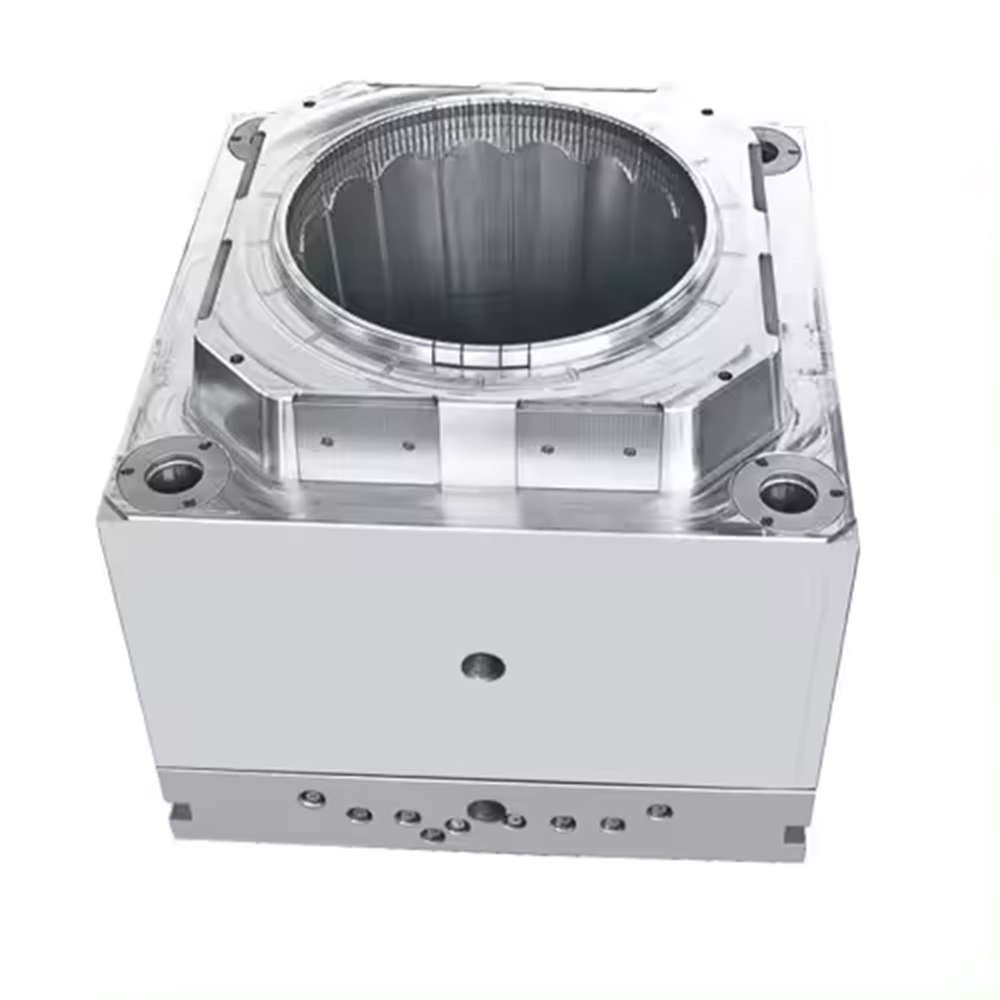
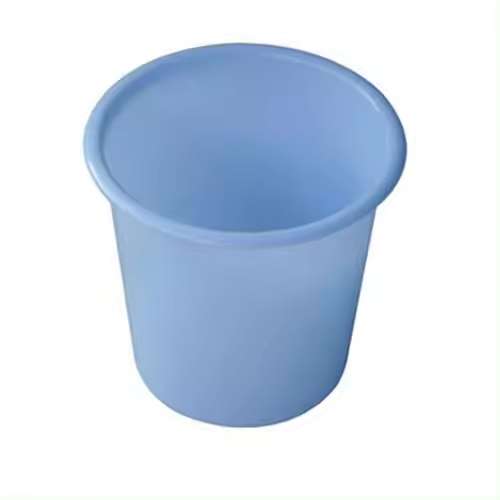
The most suitable plastic materials for dustbin molds are High-Density Polyethylene (HDPE) and Polypropylene (PP). These materials are chosen because they have excellent impact resistance, are easy to mold, and provide a good balance between cost and quality.
How do I determine the size and capacity of the Dustbin Mould?
To determine the size and capacity of the Dustbin Mould, you should consider the intended use and the available space. The size of the mold will depend on where the dustbin will be used and how much space is available. The capacity should be based on both the volume of waste the dustbin needs to hold and its weight capacity to ensure it can handle the expected amount of waste.
Can the mold accommodate different designs or features?
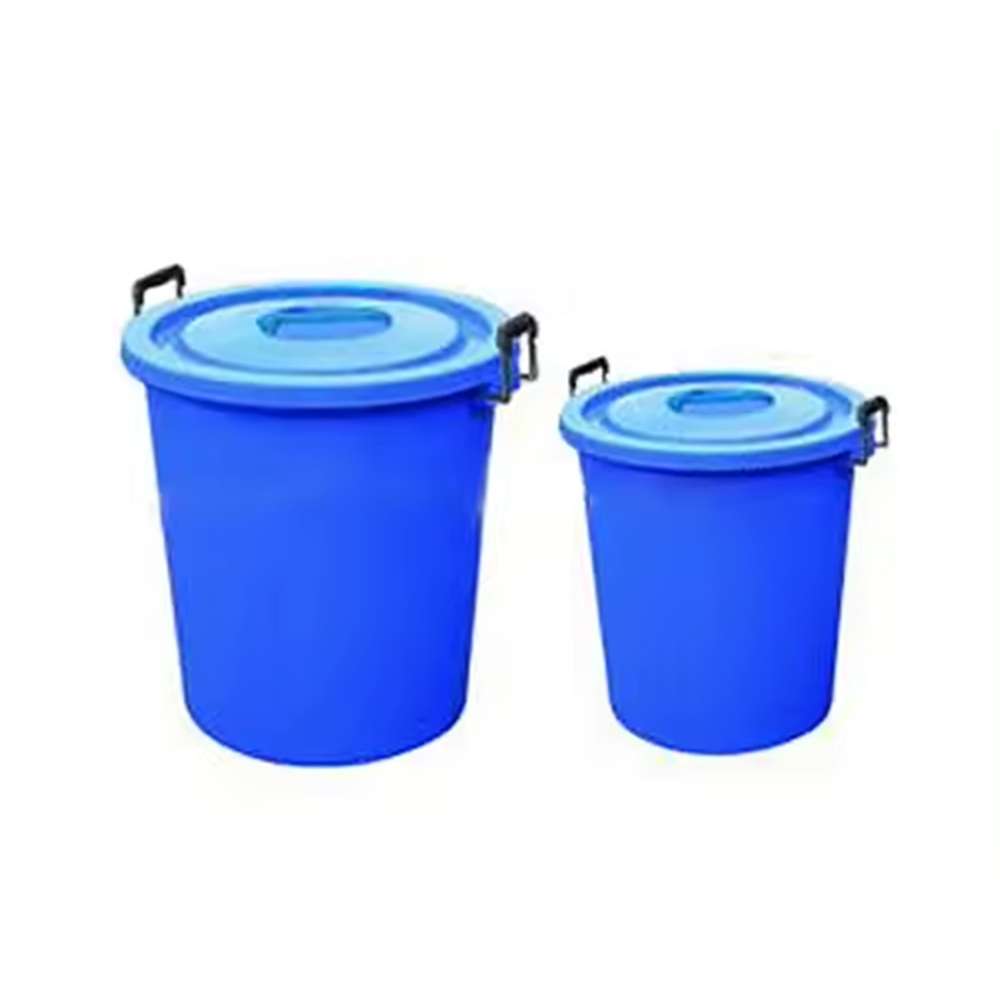
Yes, the mold can be designed to accommodate various features such as wheels, hinges, handles, or dividers. These features require precise placement and attachment points within the mold design to ensure they are securely integrated into the final product.
How long does it take to produce a custom Dustbin Mould?
The production time for a custom dustbin mold varies depending on the complexity of the design and the specifications required. A simple design can typically be produced within a few weeks, while more complex designs may take longer.
What is the expected lifespan of a dustbin mold, and how can it be maintained?
The lifespan of a dustbin mold can vary greatly depending on the frequency of use and the quality of maintenance. To maintain the mold, it should be regularly cleaned, and proper temperature and pressure should be controlled during the molding process. Any wear or damage should be promptly addressed. A well-maintained mold can typically produce thousands to tens of thousands of cycles.
How do I ensure that the mold will produce dustbins with a smooth surface finish?
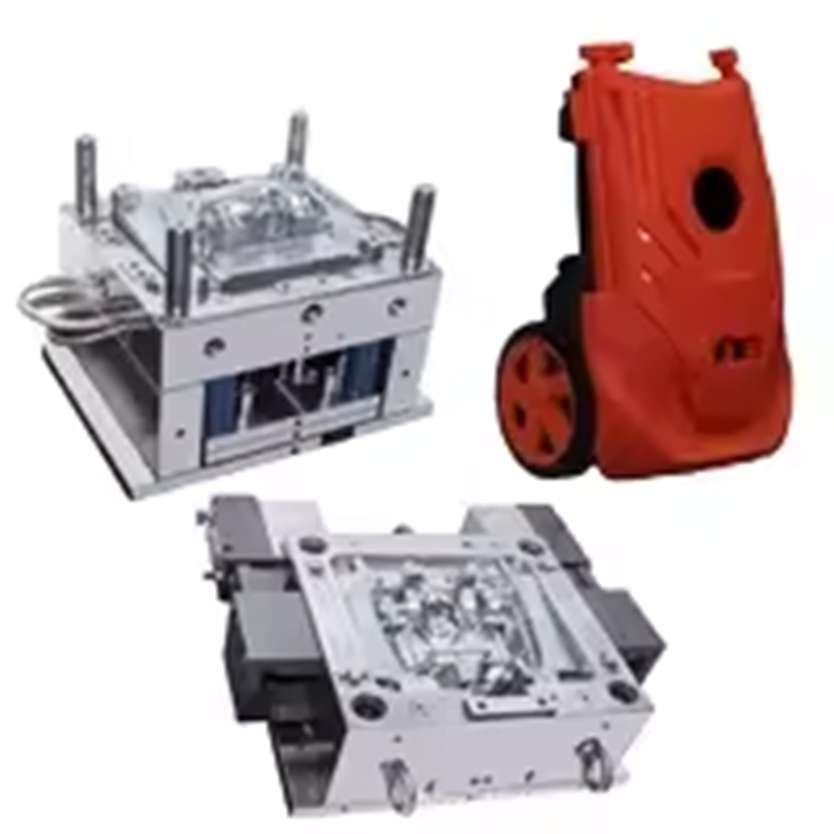
To ensure a smooth surface finish, the mold surface must be well-polished. The tool steel used for the mold should have a high-quality finish, as any flaws in the mold surface will be replicated in the final product. Appropriate cooling systems should also be utilized during the molding process to prevent defects.
Can the mold manufacturer provide samples or trial runs before mass production?
Yes, it is common for mold manufacturers to offer sample productions or trial runs. This is to ensure that the mold design, material selection, and production process meet your expectations before proceeding with large-scale production.
Are you interested in Bottle Mould