
What type of plastic material is used for the turnover box mold?
The choice of plastic material for a turnover box mold depends on the application requirements. Common materials include polypropylene (PP) for its chemical resistance and impact strength, or high-density polyethylene (HDPE) for its durability and stiffness. The specific material selection is made to ensure the product’s longevity and suitability for the intended use.
Can the mold withstand the weight of the contents inside the box?
Yes, the mold is designed to withstand the weight of the contents within the box. The structural design considers the load-bearing capacity required for the specific items it will hold. We can provide detailed specifications upon request.
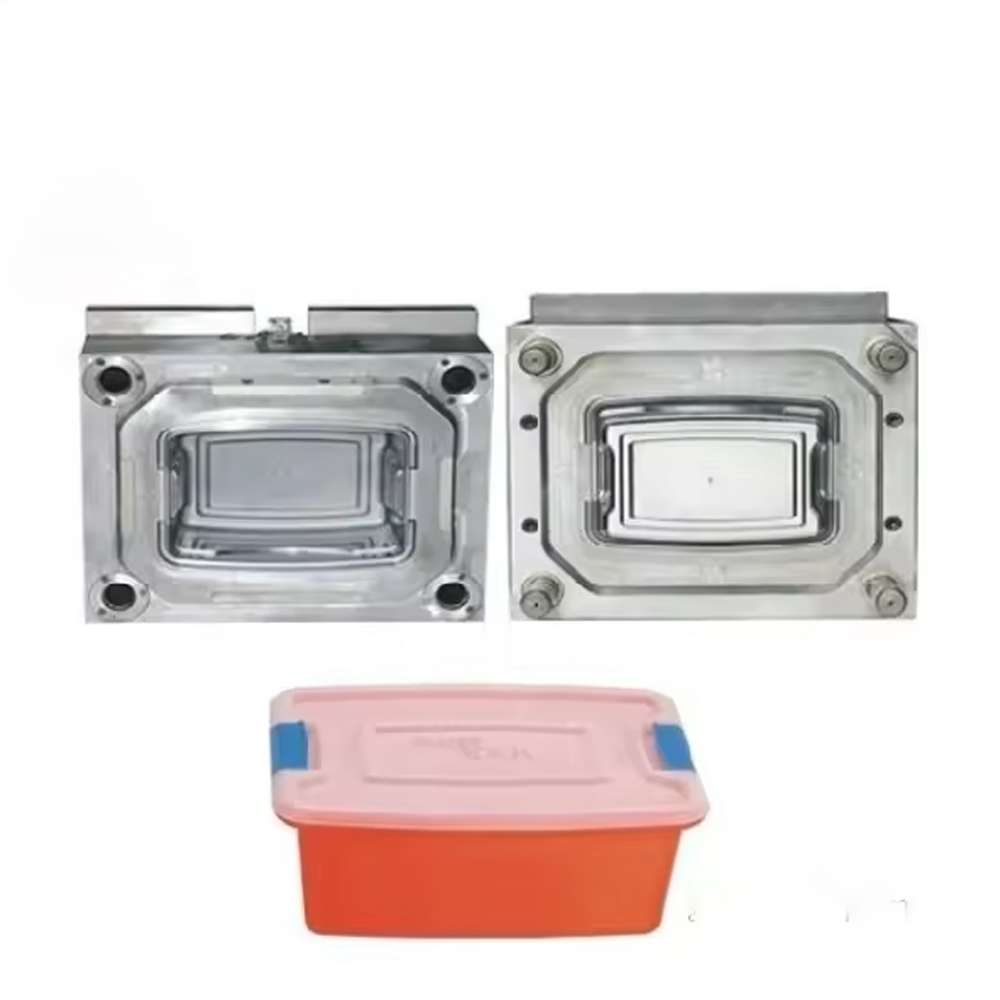
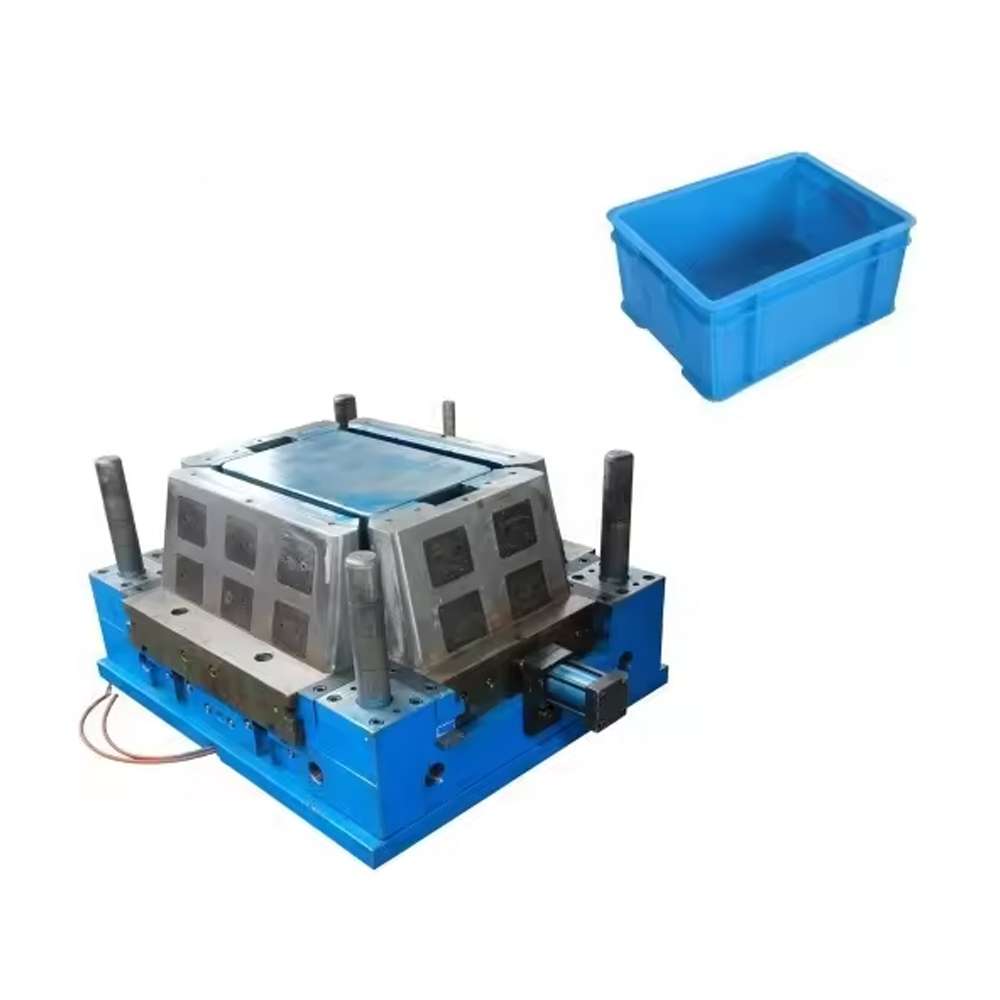
What is the stacking strength of the turnover box mould?
Our turnover box mould are designed to have a high stacking strength, allowing for safe and stable stacking of multiple boxes without compromising their integrity. The exact number of boxes that can be stacked depends on box dimensions and design, which we can provide based on your requirements.
What are the dimensions of the cavity and how much does it deviate?
We maintain tight tolerances on cavity dimensions to ensure a precise fit for your specific application. Deviation is kept within acceptable limits as per industry standards or your unique precision requirements.
Is the mold designed with any venting or breathing systems?
Yes, our mold designs incorporate venting systems to allow the escape of air and gases during the injection process, preventing defects such as burns or voids in the finished product.
What is the cycle time for each mold?
The cycle time for each mold varies depending on the machine parameters, material characteristics, and mold design complexity. We optimize the process to achieve efficient cycle times while maintaining product quality.
Are the molds capable of producing multiple cavities at once?
Our molds can be designed for multiple cavity production, significantly increasing output and efficiency. The number of cavities can be customized based on your production needs.


How long will the mold last? What is its expected lifespan?
Mold lifespan is dependent on the materials used, frequency of use, and maintenance practices. We utilize high-quality steel and maintain strict manufacturing standards to maximize the lifespan of the mold, which typically ranges from 100,000 to 500,000 shots, depending on the application.
What kind of finishing processes are available?
We offer various finishing processes, including gloss or matte finishes, as well as additional treatments like UV resistance or anti-static coatings, tailored to your specific requirements.
What is the lead time for manufacturing the mold?
Manufacturing lead times are determined by the complexity of the mold design and current production schedules. We work closely with you to provide an accurate lead time estimate and strive to deliver molds within the agreed-upon timeframe.
Are you interested in PLASTIC FLOWER POT MOULD
Standards & References
The following industry standards are referenced in this article: