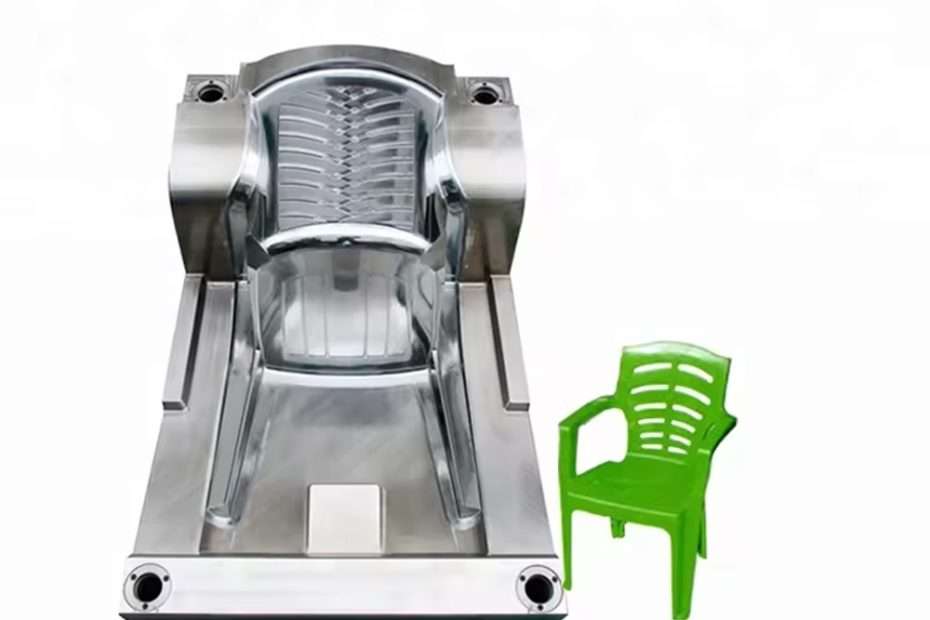
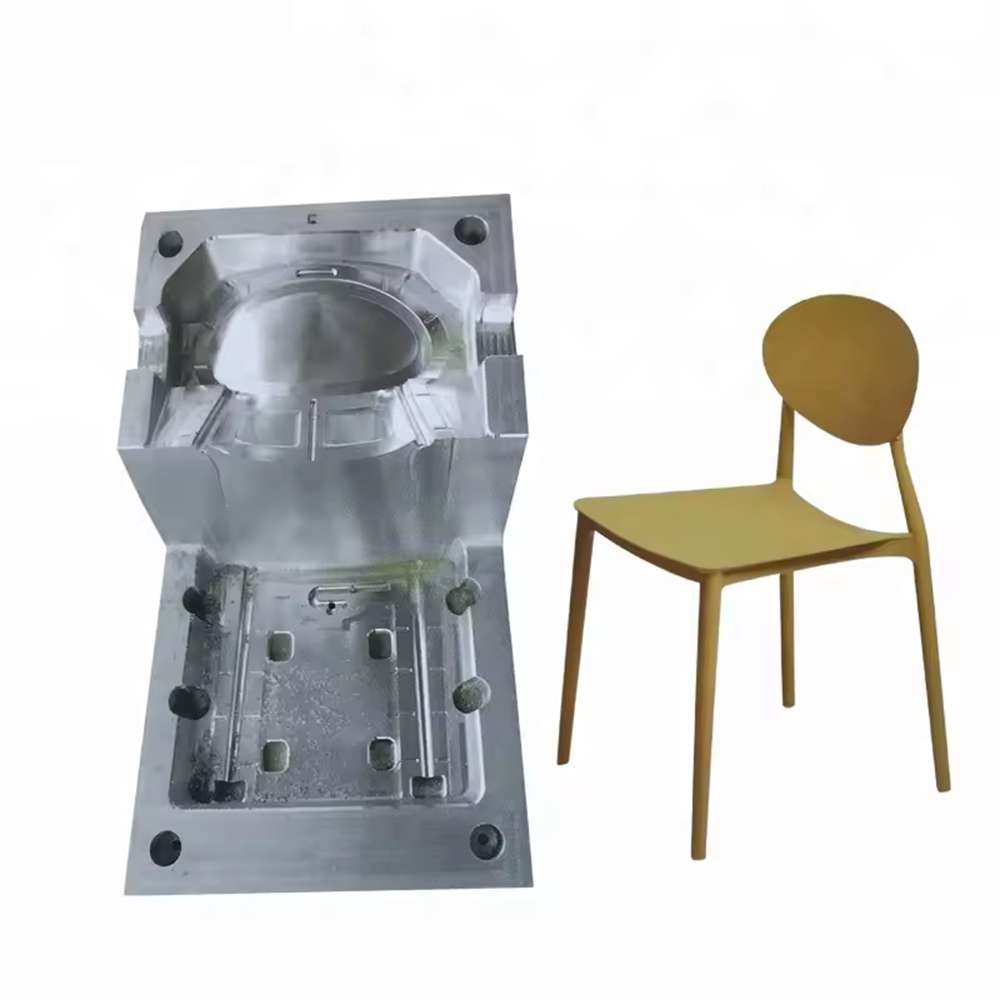
When it comes to chair moulds, understanding the nuances of your chair design and production is crucial. Here’s an FAQ that dives into the specifics of chair products themselves, addressing common concerns and questions customers like you may have.
How do I ensure my chair design is Chair Mould-friendly?
To ensure your chair design is compatible with the mold-making process, consider factors such as wall thickness consistency, avoidance of undercuts that could trap the molded part, and inclination of draft angles for easy ejection. Working hand-in-hand with an experienced mold manufacturer can help optimize your design for moldability.
What are the most common materials used for chair molds, considering the end product?
The choice of material for a Chair Mould not only affects the mold’s lifespan but also the quality of the final chair. Steel is typically used due to its durability and cost-effectiveness. However, for high-volume production or complex designs, aluminum or even precision-grade materials might be selected for their enhanced finish and detail reproduction.
Can different materials be used for different parts of the Chair Mould?
Yes, it’s possible and sometimes necessary to use different materials for various parts of the Chair Mould, especially when different properties are required. For instance, wear-resistant materials might be used in highly functional areas, while premium materials might be chosen for aesthetic features.
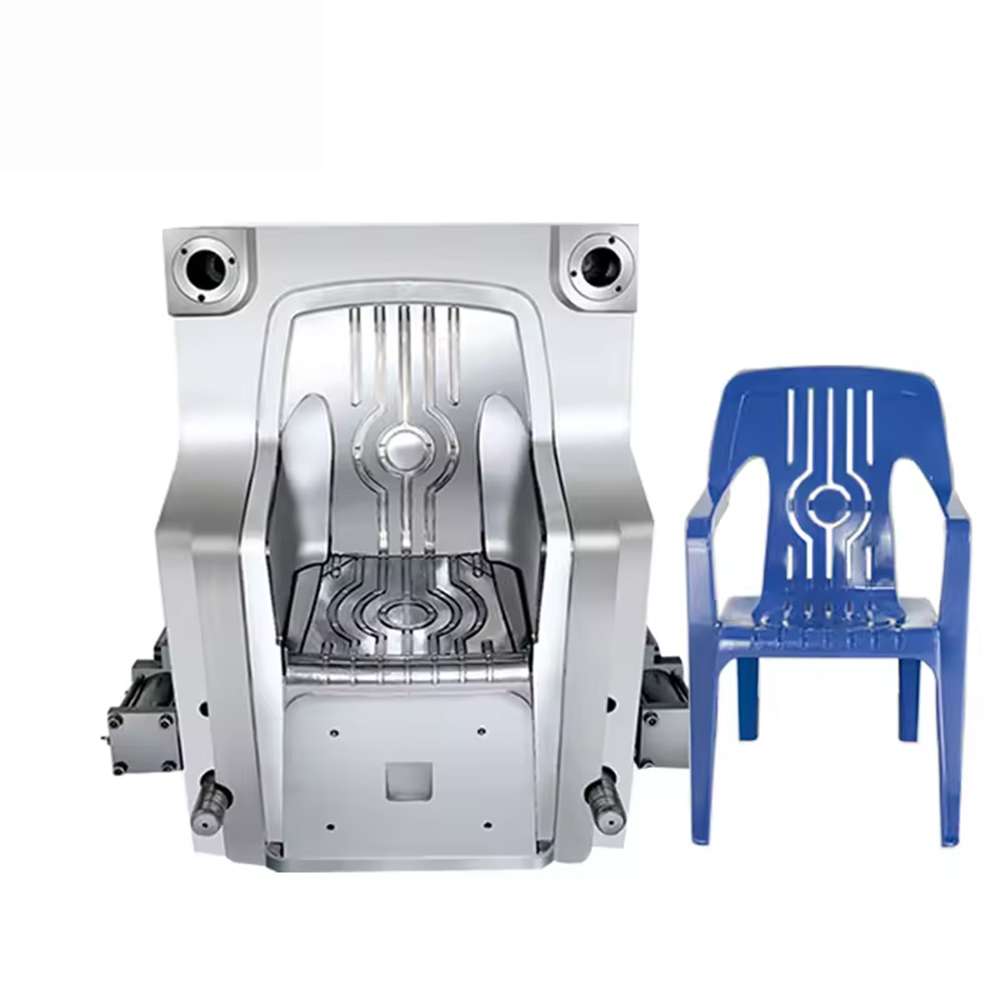
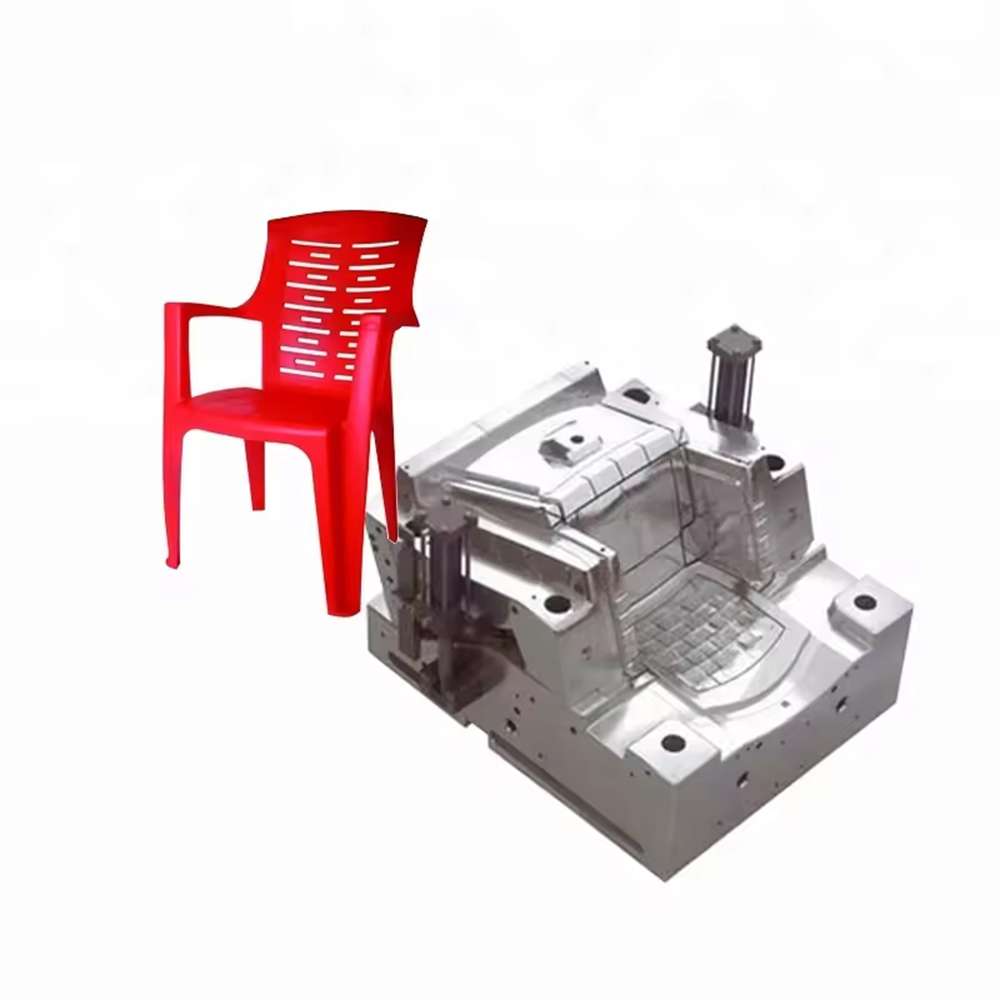
How does the design of the chair affect the mold making process?
Complex chair designs with intricate details require more precise mold making techniques and may necessitate the use of advanced software for design preparation. Features such as thinner arms or legs, unique contours, and integrated cushions can impact the way the mold is constructed and the molding process itself.
How are color and texture incorporated into my chair if they’re not part of the mold?
Color and texture can be added during the molding process through the use of colored or textured plastics, or they can be applied post-molding through painting, upholstery, or other finishing techniques. The method will depend on the design requirements and production volume.
What tolerances should I consider when designing a chair for mold production?
Tolerances refer to the acceptable deviations from the specified dimensions. For chairs, tighter tolerances might be needed for interlocking parts like joints, while looser tolerances may be appropriate for less critical areas. Your mold manufacturer will provide guidance on suitable tolerances based on the molding process and materials used.
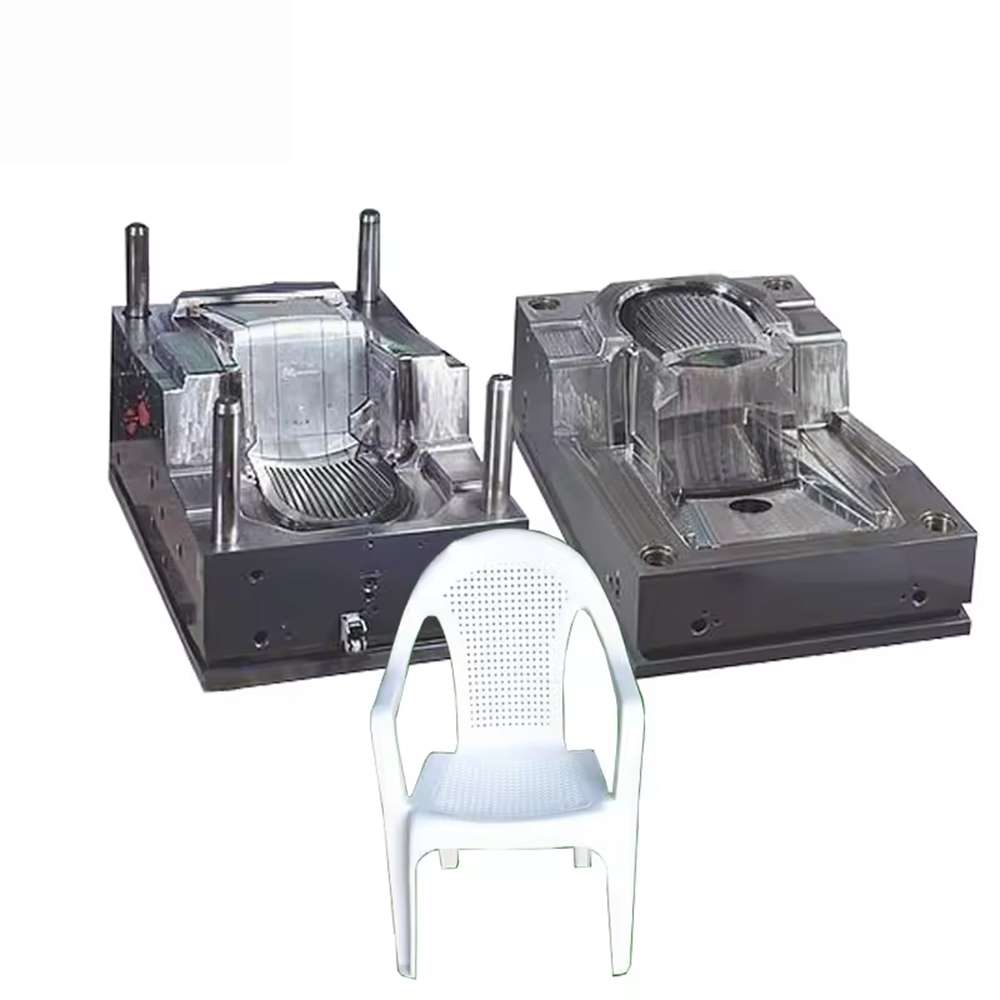
How do I ensure comfort and safety in my molded chair design?
Comfort and safety are paramount in chair design. Incorporate ergonomic considerations such as adequate support, proper backrest angles, and suitable seat heights. Testing prototypes can validate these aspects before mass production commences.
How can I make my chair design more eco-friendly without compromising the Chair Mould?
Eco-friendliness can be achieved through material selection (such as using recycled plastics), minimizing waste in the mold design, and considering end-of-life recyclability or biodegradability for the chair. Collaborate with your mold maker to balance environmental concerns with manufacturing feasibility.
By addressing these Frequently Asked Questions about chair molds and their direct impact on your chair product, we aim to provide you with a comprehensive understanding to enhance your design and production decisions. Remember, communication is key—your mold manufacturer is your technical partner in bringing your chair design vision to reality with quality and efficiency.
Are you interested in ABS PLASTIC HOUSING MOULD
Standards & References
The following industry standards are referenced in this article:
- ISO 9001 — Quality management systems — Requirements. iso.org