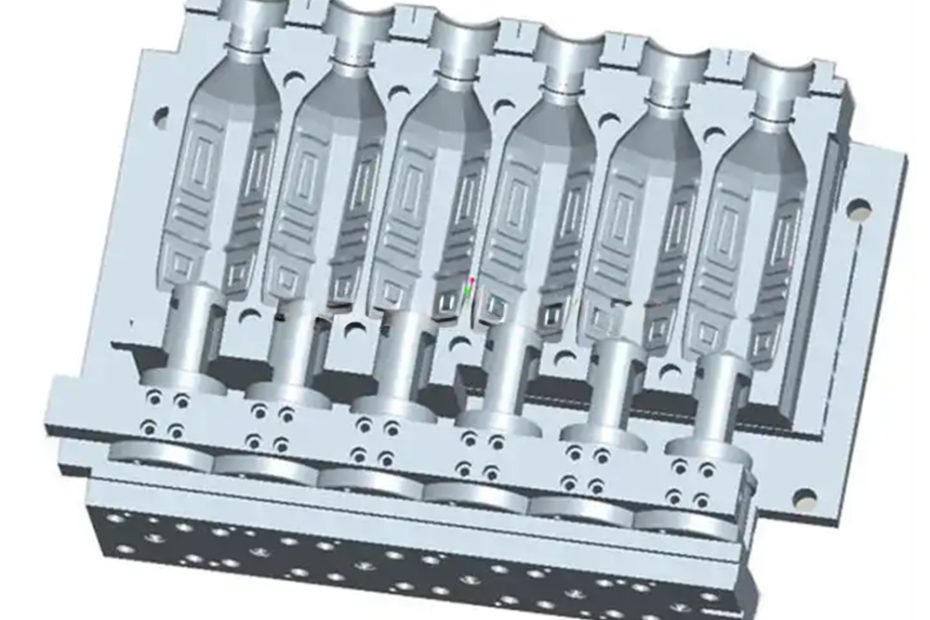
Key Considerations for Metal Stamping Molds in Connector Terminal Production
A connector terminal stamping mold hits 200–800 strokes per minute, producing 10,000–50,000 terminals per shift from phosphor bronze or beryllium copper strip at 0.15–0.40 mm thickness. The punch-to-die clearance sits at 4–8% of material thickness — get it wrong by 2 μm and burr height doubles. Here are the engineering factors that determine whether your mold delivers 2 million cycles or needs rework at 200,000.
What is a Metal Stamping Mold?
A metal stamping mold is designed to shape metal sheets into specific connector terminal shapes, typically made from durable steel alloys.

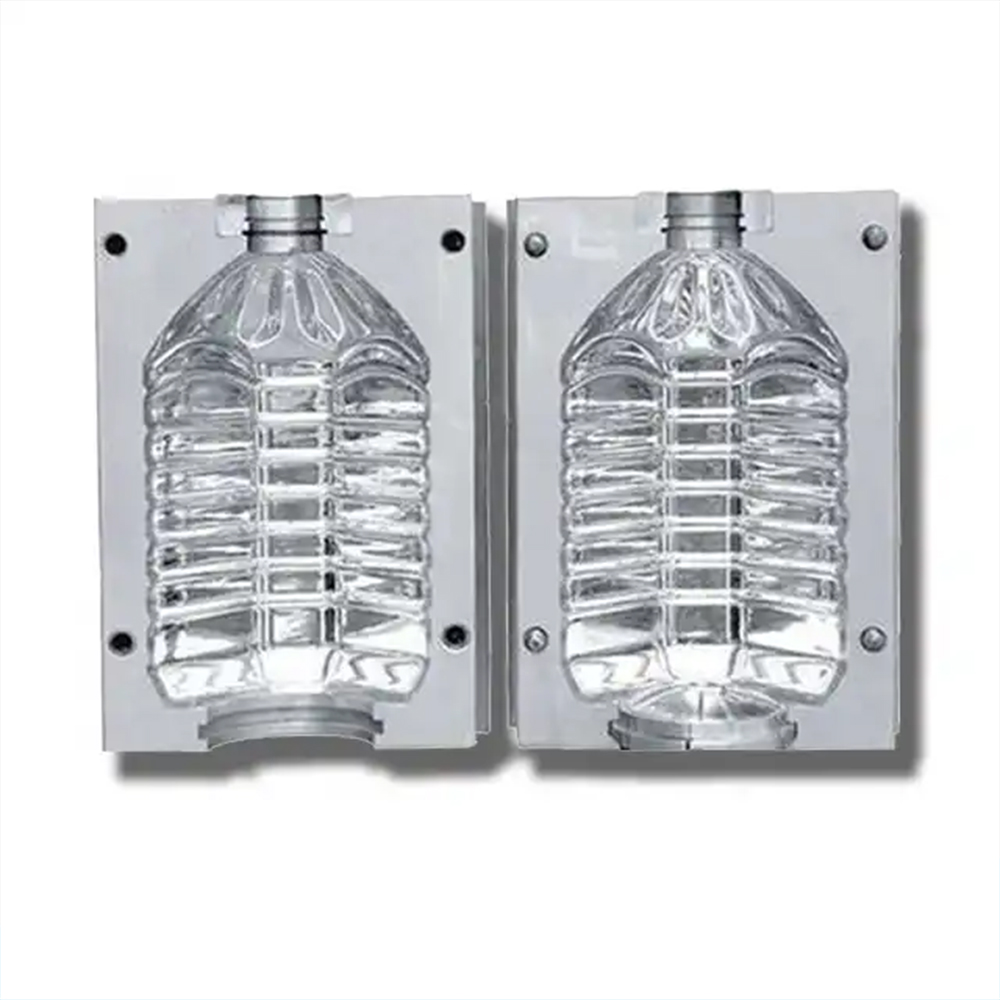
What are the Advantages of Using Metal Stamping Molds?
- High Precision: Ensures each terminal meets exact specifications.
- Cost Efficiency: Minimizes waste and can be automated.
- Versatility: Suitable for various metals and custom designs.
How Do I Assess the Lifespan of a Mold?
The lifespan depends on design complexity, material type, and usage frequency. Proper maintenance can extend it significantly.
Can Molds Be Customized for Special Applications?
Yes, metal stamping molds can be fully customized to meet unique application requirements, including specific dimensions, contact configurations, and terminal features.
What Should I Look for When Buying a Metal Stamping Mold?
- Compatibility with your equipment.
- Production volume and frequency for selecting mold material.
- Precision level and detail required.
- Manufacturer’s reputation and experience.
- Overall cost-effectiveness.
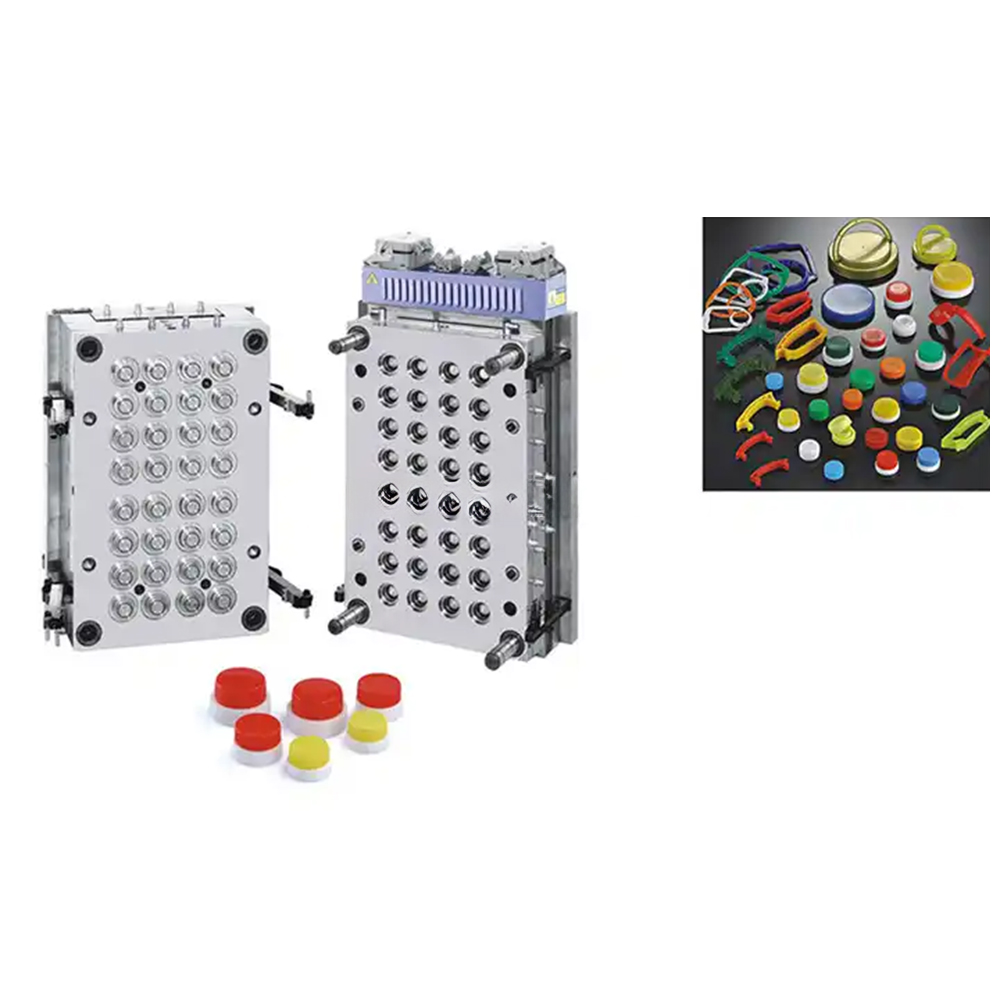

How Are Metal Stamping Molds Maintained?
Maintenance includes regular inspection, cleaning, lubrication, and timely repair or replacement of wear parts. Proper storage and handling also extend the mold’s useful life.
Conclusion
In conclusion, metal stamping molds are an essential tool for the production of connector terminals. They allow for precise and efficient manufacturing of high-quality connector terminals in large quantities. The examples provided highlight the versatility of metal stamping molds, as they can be used to produce a wide range of connector terminals for various applications. For automotive-grade connectors rated to USCAR-2 Class 2 (100–150°C, 1008-hour thermal shock), progressive die design with carbide inserts and in-die vision inspection keeps PPM defect rates below 50, matching Tier-1 harness supplier requirements.
Are you interested in SMC Car Engine Hood Mold
Standards & References
The following industry standards are referenced in this article: