
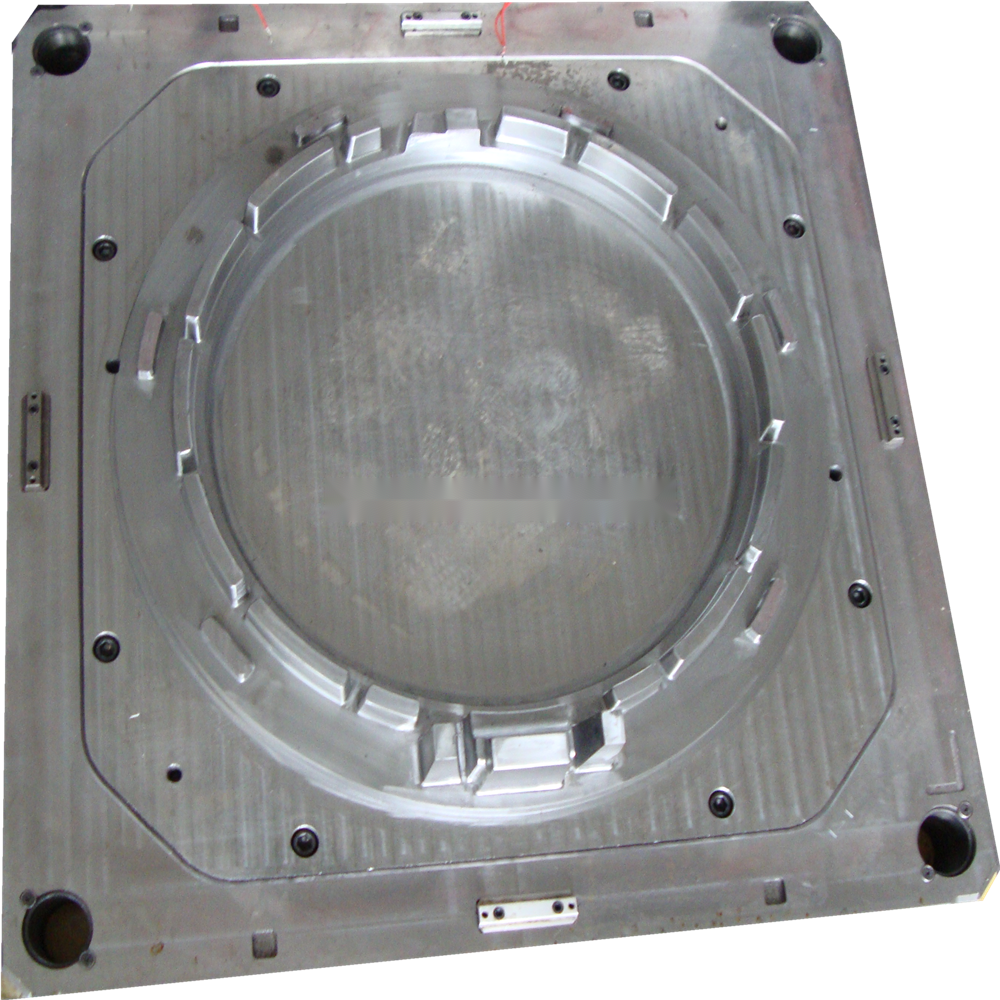
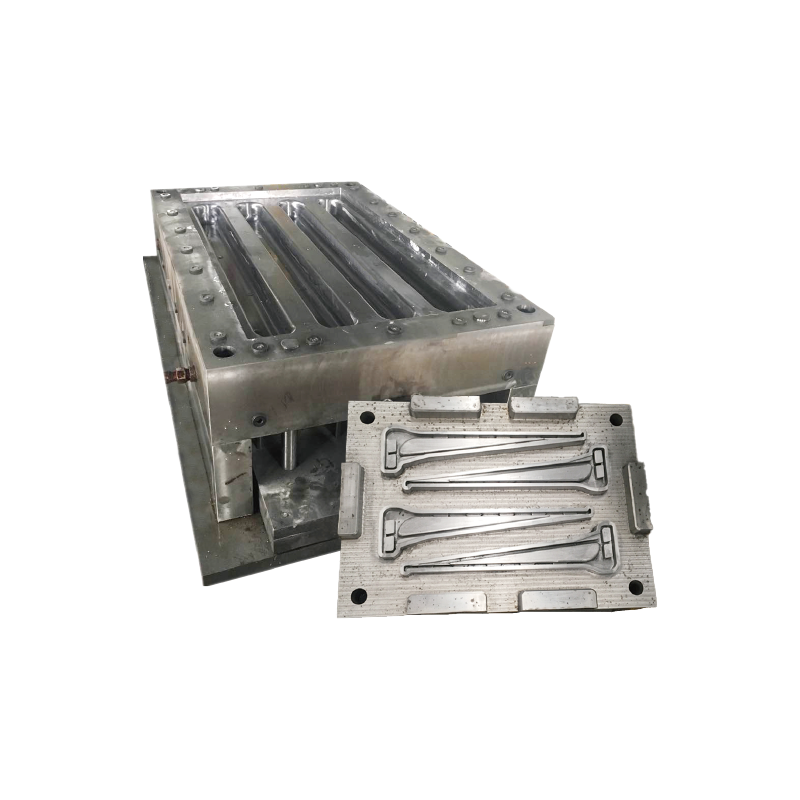
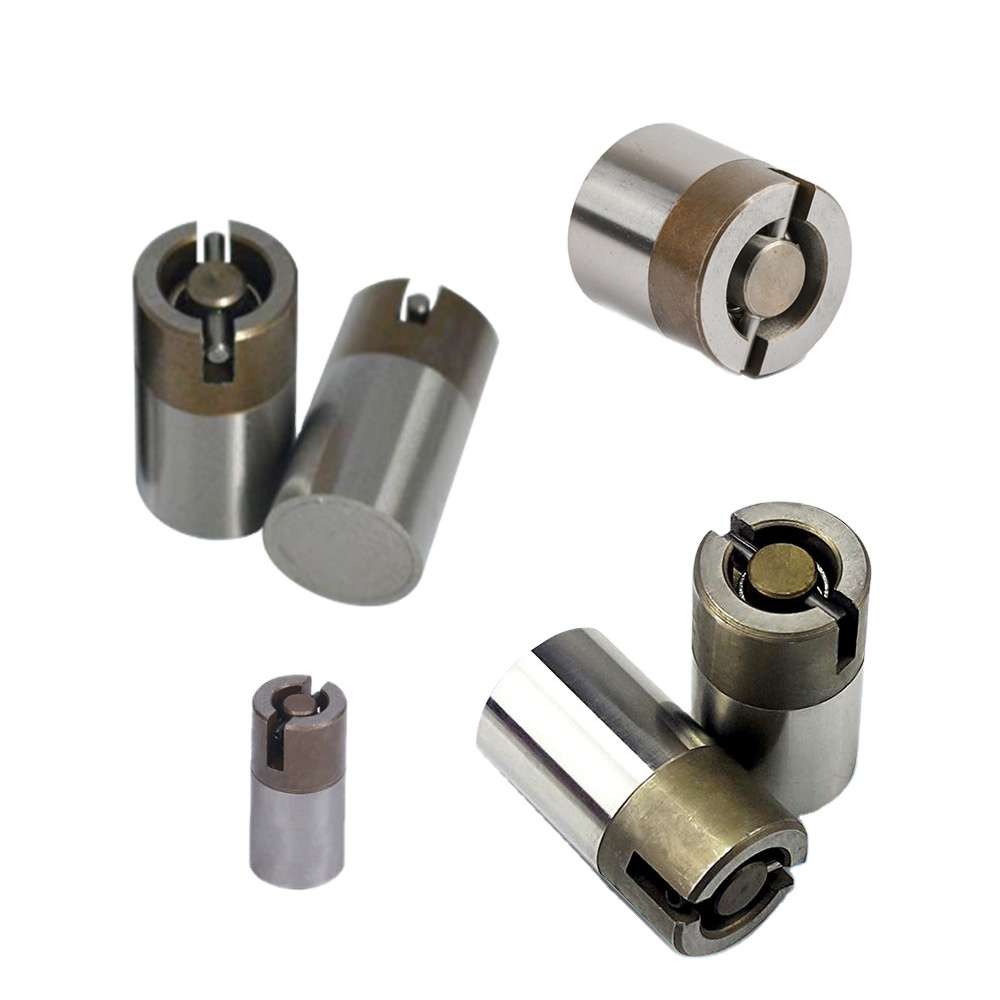
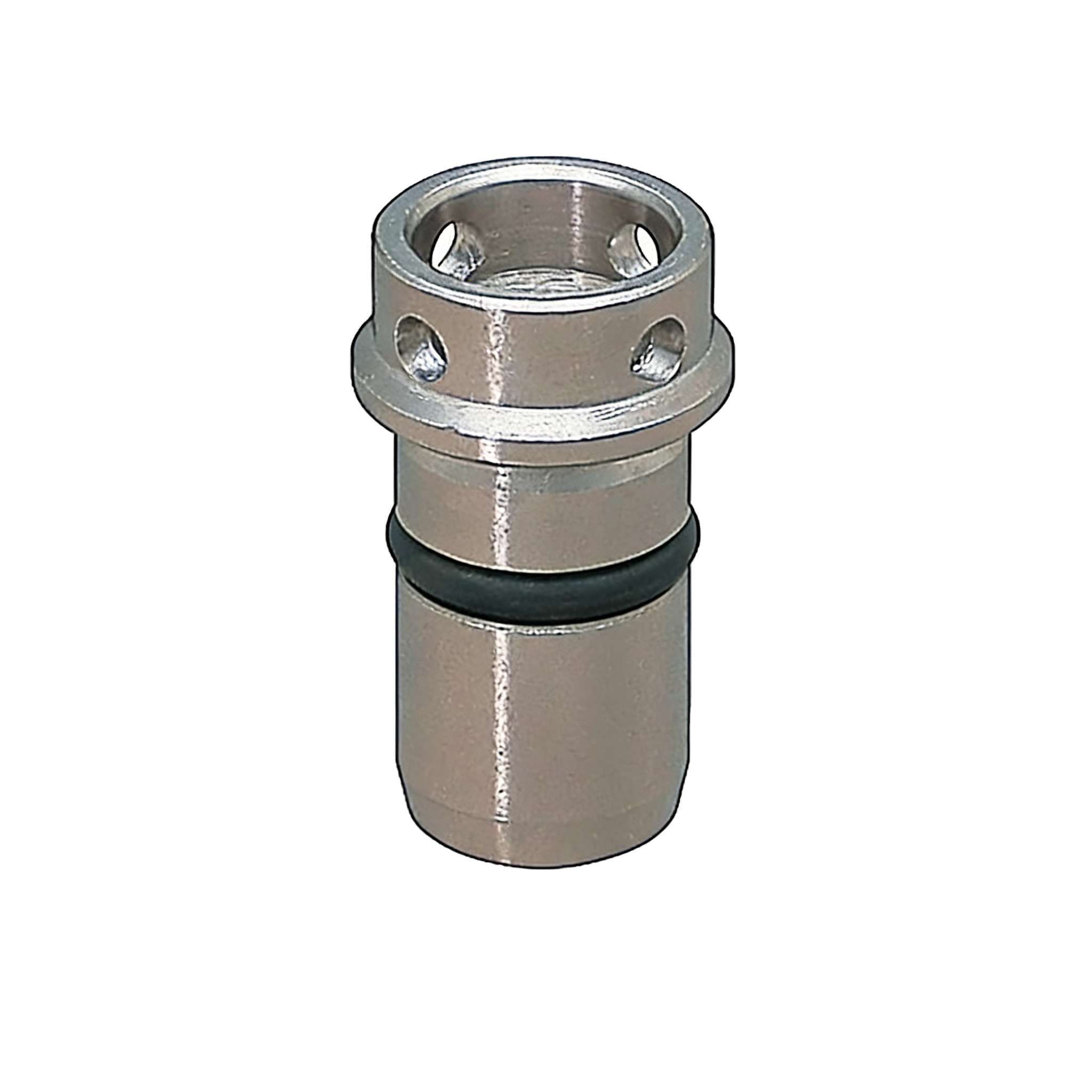
SMC Mold Venting Design: Preventing Gas Traps and Porosity
Overview and Key Benefits
FRP and SMC composite products offer a unique combination of properties that make them ideal for demanding industrial applications. These materials provide corrosion immunity across the full pH range, reduce weight by approximately 70% compared to steel, offer electrical non-conductivity for safety, and require zero maintenance over a 25+ year service life.
Industrial Applications
These products serve critical roles across chemical processing plants, wastewater treatment facilities, offshore oil and gas platforms, power generation stations, and marine infrastructure. In each environment, the combination of corrosion resistance, lightweight construction, and long service life delivers lower total cost of ownership compared to traditional steel and aluminum alternatives.
Specification and Selection Guidelines
When specifying FRP composite products, engineers should consider: operating temperature range, chemical exposure environment, mechanical loads (static and dynamic), UV exposure requirements, fire rating (ASTM E84), and applicable industry standards. Proper material selection at the design stage prevents costly field failures and ensures full design life is achieved.
| Feature | FRP/SMC Composite | Traditional Material |
|---|---|---|
| Corrosion Resistance | Excellent — immune to acids, alkalis, salts | Limited — requires protective coating |
| Weight | 70% lighter than steel | Heavy; higher transport and installation cost |
| Service Life | 25+ years with zero maintenance | 10-15 years with regular maintenance |
| Maintenance | None required | Regular painting and inspection |
| Electrical Safety | Non-conductive | Conductive; requires grounding |
| Lifecycle Cost | Higher initial cost; lower 25-year cost | Lower initial; higher maintenance cost |