Every SMC mold designer faces the same question: electric cartridge heaters or oil circulation? The decision affects temperature uniformity, startup time, energy consumption, maintenance, and cost. Electric heaters are simple and cheap. Oil systems are more complex but produce more uniform heat. This guide compares them across the dimensions that matter for production.
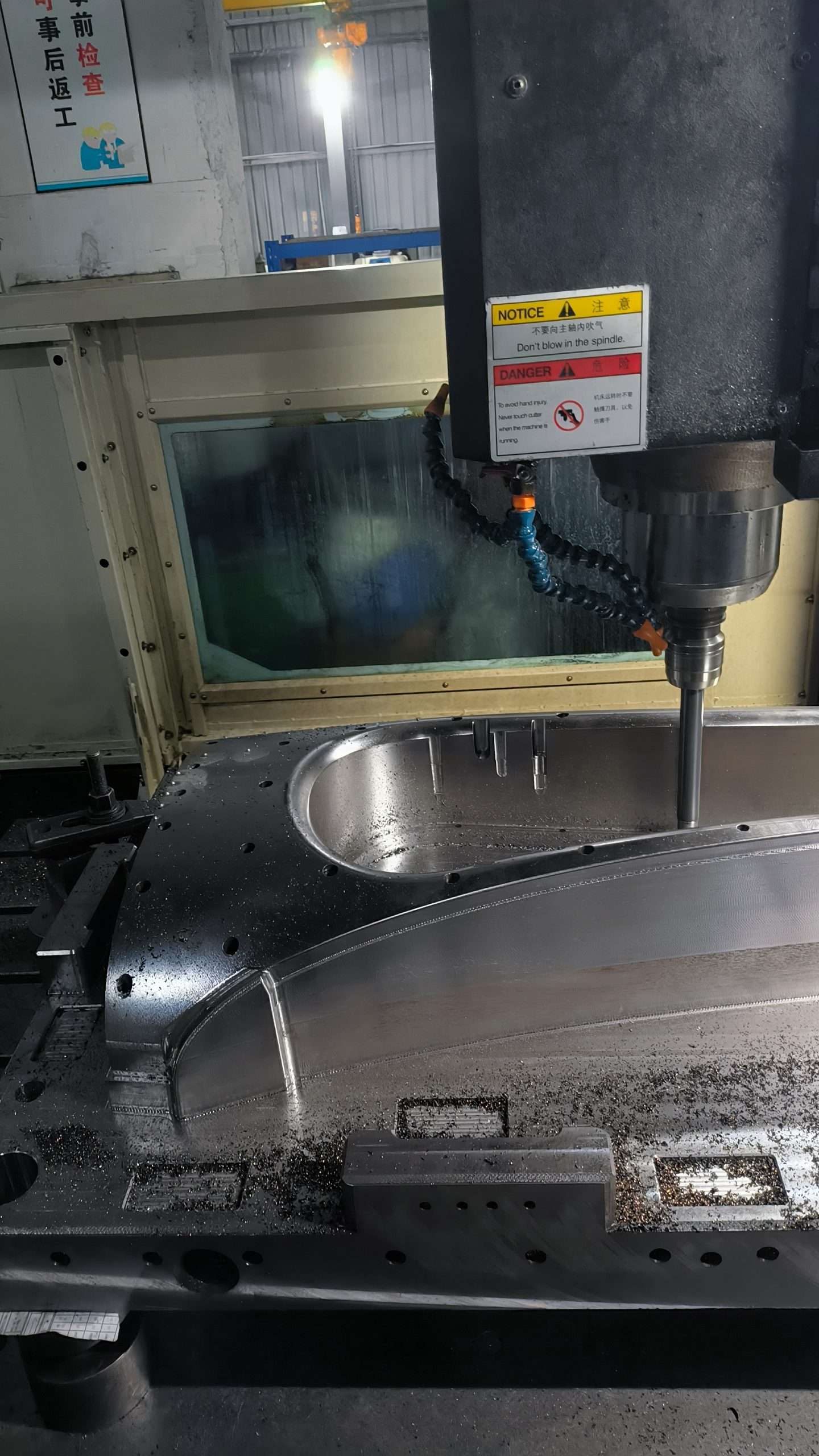
Overview: Electric Cartridge Heaters vs Oil Circulation
Electric cartridge heaters are resistive elements inserted into reamed holes in the mold plates, converting electricity directly to heat at 15–30 W/cm². Oil circulation pumps hot oil (160–200°C) through drilled channels in the mold plates, with a temperature control unit (TCU) reheating and recirculating the oil. Together these two methods account for over 90% of new SMC mold heating installations.
Electric Cartridge Heaters: Strengths and Weaknesses
Cartridge heaters dominate SMC mold heating because they are simple, inexpensive, and familiar. A 12.5 mm diameter heater delivers 400–800 W and costs $20–50. A typical mold uses 10–30 heaters with PID temperature controllers. The system has no pumps, no oil, no external piping. The main weakness is temperature uniformity — a well-designed electric system achieves ±3–5°C across the cavity, adequate for industrial parts but marginal for Class A automotive surfaces. The second weakness is heater burnout — cartridge heaters at high watt densities last 5,000–15,000 hours.
Oil Circulation: Strengths and Weaknesses
Oil circulation provides the most uniform mold heating available. Because the entire channel surface is at oil temperature, heat transfer is continuous and uniform. Well-designed oil systems achieve ±1.5–2°C uniformity — roughly twice as uniform as electric. The circulating oil also speeds thermal recovery after the cold SMC charge is placed. The downsides: each zone needs a TCU ($5,000–15,000), oil degrades and needs replacement every 2–3 years, startup takes 30–60 minutes versus 10–20 for electric, and oil leaks at 150°C are a fire hazard.
Head-to-Head Comparison
| Dimension | Electric Cartridge Heaters | Oil Circulation |
|---|---|---|
| Temperature Uniformity | ±3–5°C | ±1.5–2°C |
| Startup Time | 10–20 min | 30–60 min |
| Thermal Recovery | 30–60 sec | 15–30 sec |
| Equipment Cost per Zone | $100–300 | $5,000–15,000 |
| Energy Efficiency | 95%+ (direct) | 70–80% (transfer losses) |
| Maintenance | Replace burnt heaters | Oil change every 2–3yr |
| Best Application | Most industrial SMC molds | Class A surface, high volume |
Decision Framework
For over 80% of SMC molds, electric cartridge heaters are the right choice. Choose oil heating only when: the part has Class A painted surfaces requiring ±2°C uniformity, annual production exceeds 50,000 parts making cycle time reduction valuable, or the part has extreme wall thickness variation demanding precise zoned control. For a typical 4-zone mold, electric heating adds $2,000–4,000 while oil adds $25,000–60,000 — the premium must be justified by quality or productivity gains.
TSTAR Mold designs SMC molds with electric, oil, or steam heating systems based on your part requirements. In-house thermal FEA simulation to optimize heater placement or channel design before manufacturing.