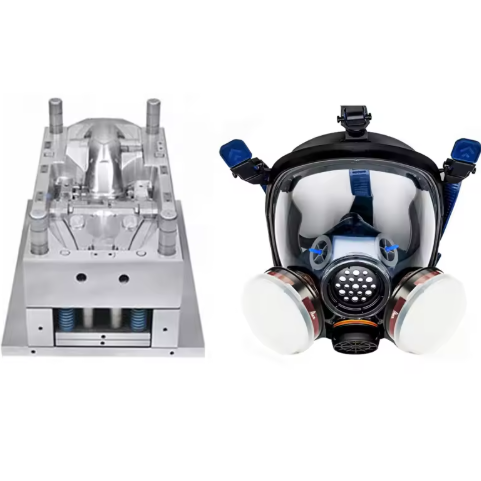
Gas mask molds is a specialized tool designed to shape the critical components of respiratory protection equipment. These molds must meet rigorous standards to ensure the final product provides reliable defense against harmful airborne substances. The gas mask mold manufacturing process involves precise engineering and material science to create molds that can consistently produce high-quality gas mask components.
The core function of a gas mask mold is to shape materials like rubber, silicone, or thermoplastics into the complex geometries required for gas mask components. This includes the facepiece, filter housing, and exhalation valves—each requiring distinct mold designs. A well-engineered gas mask mold ensures proper fit, seal integrity, and functionality of the final product.
Material Selection for Gas Mask Mold Construction
For specialized applications, aluminum alloys may be used for mold construction when faster cooling times are required. However, steel remains the preferred material for high-volume production due to its superior longevity. The material selection directly impacts the gas mask mold’s performance, including its ability to maintain tight tolerances and surface finishes critical for gas mask functionality.
For specialized applications, aluminum alloys may be used for gas mask mold construction when faster cooling times are required. However, steel remains the preferred material for high-volume production due to its superior longevity. The material selection directly impacts the gas mask mold’s performance, including its ability to maintain tight tolerances and surface finishes critical for gas mask functionality.
Molding Processes for Gas Mask Components
The injection molding process is the most common method for producing gas mask components, requiring a precisely engineered mold. This process involves injecting molten plastic into the gas mask mold cavity under high pressure, allowing the material to cool and solidify into the desired shape. Advanced gas mask mold designs may incorporate hot runner systems to reduce material waste and improve cycle times.
Compression molding is another technique used for certain gas mask components, particularly those made from silicone rubber. This process involves placing preheated material into the gas mask mold cavity and applying heat and pressure until the material cures. The choice between injection and compression molding depends on the specific material properties and component design requirements of the gas mask mold.
EN 149 Standards and Gas Mask Mold Requirements
Compliance with EN 149 standards is mandatory for gas mask molds used in producing respiratory protective equipment for the European market. These standards specify requirements for filtration efficiency, breathing resistance, and fit testing—all of which influence gas mask mold design. A gas mask mold must be engineered to produce components that consistently meet these performance criteria.
EN 149 classifies respiratory protective devices into several classes (FFP1, FFP2, FFP3) based on their filtering efficiency. The gas mask mold must be precision-engineered to ensure the final product meets the specified class requirements. This includes maintaining critical dimensions that affect seal quality and airflow resistance through the gas mask components.
Surface Treatment Techniques for Gas Mask Molds
Proper surface treatment of a gas mask mold is essential for both mold longevity and part quality. Common treatments include polishing to achieve the required surface finish on gas mask components, which is critical for ensuring proper sealing and comfort. Additionally, mold coatings such as chromium plating can enhance wear resistance and reduce friction, extending the gas mask mold’s service life.
For gas mask molds producing silicone components, special release agents may be applied to prevent material adhesion during the molding process. These treatments must be compatible with the materials being molded and should not compromise the gas mask’s performance or biocompatibility.
Structural Design Considerations for Gas Mask Molds
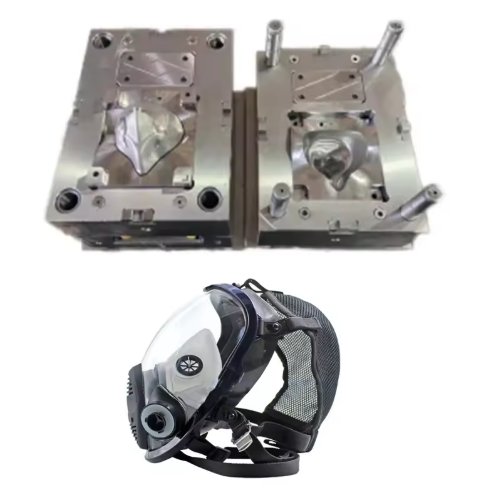
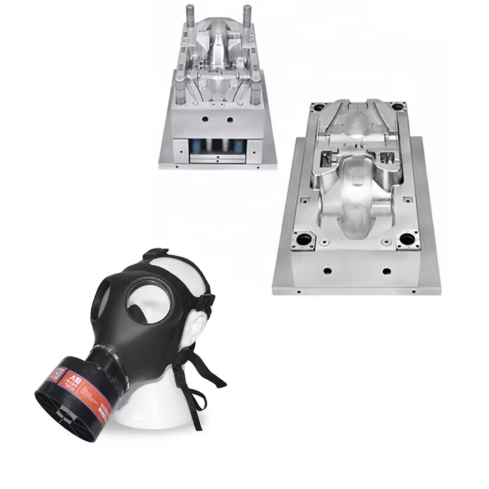
The structural design of a gas mask molds must account for the complex geometry of gas mask components while ensuring manufacturability. This includes designing proper draft angles, ejection systems, and cooling channels to prevent warping and ensure consistent part quality. The gas mask mold must also accommodate any undercuts or complex features required for the gas mask’s functionality.
Advanced gas mask mold designs may incorporate collapsible cores or side actions to produce undercut features in gas mask components. These mechanisms add complexity to the gas mask mold but are necessary to create the intricate shapes required for proper fit and function. Computer-aided design (CAD) and simulation tools are essential for optimizing gas mask mold designs before manufacturing.
Quality Control in Gas Mask Mold Production
Quality control is paramount in gas mask molds manufacturing to ensure the final respiratory protection equipment meets safety standards. This includes dimensional inspection of the gas mask mold using coordinate measuring machines (CMM) to verify critical dimensions. Additionally, mold flow analysis may be used to simulate the injection molding process and identify potential issues before the gas mask mold is put into production.
Regular maintenance and inspection of the gas mask molds are also essential for maintaining part quality over time. This includes checking for wear, damage, or corrosion that could affect the gas mask components’ dimensional accuracy or surface finish. Proper care of the gas mask mold ensures consistent production of high-quality gas mask components.
Innovations in Gas Mask Mold Technology
Advancements in manufacturing technologies are driving innovations in gas mask molds design and production. 3D printing, or additive manufacturing, is increasingly used for producing gas mask mold inserts or even complete gas mask molds for prototyping and low-volume production. This technology allows for rapid iteration of gas mask mold designs and the creation of complex geometries that would be difficult or impossible with traditional machining.
Another innovation is the use of computer numerical control (CNC) machining centers with five-axis capabilities, which enable more precise and efficient production of complex gas mask mold geometries. These technologies, combined with advanced materials, are pushing the boundaries of what’s possible in gas mask mold design and performance.
Conclusion: The Critical Role of Gas Mask Molds in Respiratory Protection
The gas mask mold plays a vital role in ensuring the production of high-quality respiratory protective equipment. From material selection to structural design, every aspect of the gas mask mold must be carefully engineered to meet stringent safety standards and performance requirements. As respiratory protection technology continues to evolve, so too will the gas mask mold designs and manufacturing processes, ensuring that these critical safety devices can meet the challenges of modern industrial and healthcare environments.
Investing in high-quality gas mask mold design and manufacturing is essential for producing reliable gas masks that protect wearers from harmful airborne contaminants. By adhering to strict standards and leveraging advanced manufacturing technologies, gas mask mold producers can contribute to the development of safer, more effective respiratory protection equipment.
>>You may also like
Standards & References
The following industry standards are referenced in this article: