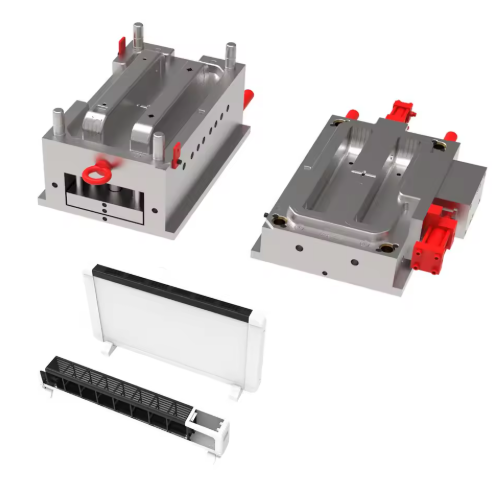
Electric plate heaters have become indispensable in modern households and industrial settings, providing efficient, localized heating solutions. The performance, safety, and reliability of these heating devices depend fundamentally on the quality of their molds. Electric plate heater molds require specialized design considerations to accommodate high-temperature operation, thermal uniformity, and safety compliance—factors that make steel the material of choice for manufacturing these critical tools. This guide explores the unique requirements of electric plate heater molds, focusing on steel material selection, precision manufacturing techniques, and quality control measures that ensure consistent performance in demanding heating applications.
Material Selection: Steel Solutions for High-Temperature Environments
Electric plate heater molds operate under extreme thermal conditions, necessitating steel materials engineered for exceptional heat resistance and mechanical stability. Hot-work die steels represent the primary choice, with grades such as H13 and SKD61 offering optimal performance characteristics:
- Temperature resistance up to 600°C without significant hardness reduction
- Thermal conductivity of 25-35 W/(m·K) ensuring efficient heat transfer
- Toughness values exceeding 20 J/cm² to withstand thermal cycling stresses
- Wear resistance sufficient for producing 500,000+ units before maintenance
For specialized applications involving rapid temperature fluctuations, chromium-molybdenum-vanadium alloys provide enhanced thermal fatigue resistance. These steels undergo precise heat treatment to achieve a hardness range of 44-48 HRC, balancing abrasion resistance with the flexibility needed to prevent cracking during thermal shock. The material selection process must also consider compatibility with heating element materials, as mold steel must resist chemical interaction with aluminum, stainless steel, and ceramic coatings common in heater plate construction.
Precision Design Considerations for Thermal Uniformity
Electric plate heater mold design prioritizes thermal management and dimensional accuracy to ensure consistent heating performance. Cavity geometry requires meticulous engineering:
- Uniform wall thickness (±0.05mm tolerance) across heating surfaces to prevent hot spots
- Integrated heating element channels with precise dimensional control for resistor placement
- Thermal expansion compensation features to maintain critical clearances during temperature cycling
- Sealed cavity designs preventing polymer flash in injection-molded heater components
Cooling system design represents a unique challenge, with conformal cooling channels following the complex contours of heater plates. These channels, positioned 8-12mm from the cavity surface, utilize beryllium-copper inserts to enhance heat transfer efficiency. For high-wattage heaters, segmented cooling zones allow independent temperature control of critical areas, ensuring the mold maintains dimensional stability during prolonged operation at 200°C+ temperatures.
Manufacturing Processes for Thermal Stability
Producing electric plate heater molds demands specialized manufacturing techniques tailored to high-temperature applications:
- EDM (Electrical Discharge Machining) creates intricate heating element recesses with ±0.01mm precision
- Laser texturing generates controlled surface roughness (Ra 1.6-3.2μm) to optimize heat transfer
- Vacuum heat treatment eliminates gas pockets that could cause thermal fatigue cracking
- Nitriding processes develop a 50-100μm hardened surface layer with 65+ HRC hardness
Quality verification includes thermal cycling testing, where molds undergo 1,000+ heating/cooling cycles (20°C to 250°C) to identify potential failure points. Non-destructive testing methods, including ultrasonic inspection and magnetic particle testing, ensure subsurface integrity before mold deployment.
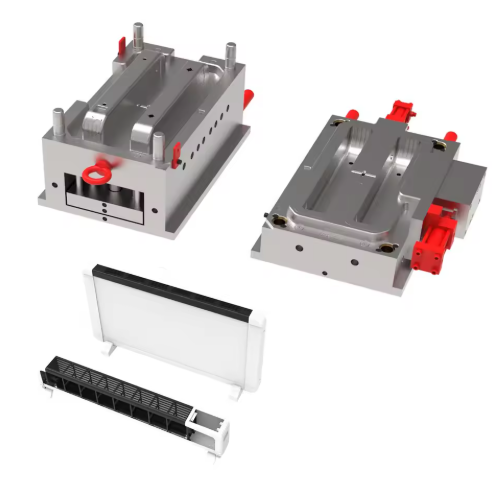
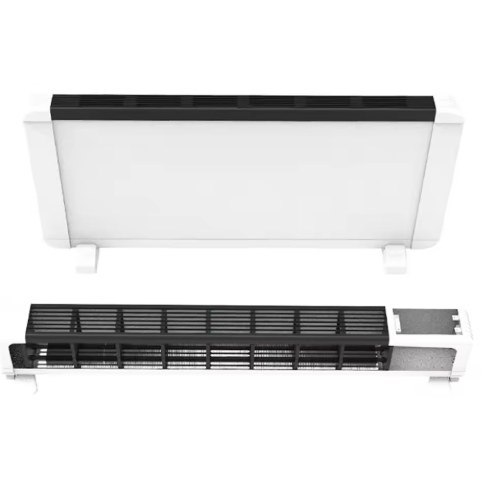
Application-Specific Electric plate heater mold Solutions
Electric plate heater molds must accommodate diverse product requirements across residential and commercial applications:
- Residential heaters utilize 2-4 cavity molds with simplified cooling for cost-sensitive production
- Industrial heating plates require single-cavity precision molds with advanced temperature monitoring
- Flexible heater elements demand multi-cavity molds with interchangeable inserts for different resistance patterns
- Ceramic heating plates necessitate specialized steel grades compatible with abrasive ceramic materials
For each application, mold designers implement simulation-driven optimization to predict thermal behavior, reducing prototype iterations by 30-40%. This digital approach enables virtual testing of mold modifications before physical machining, ensuring the final tooling meets both performance specifications and production economics.
Conclusion
Steel molds remain indispensable to electric plate heater manufacturing, enabling the production of devices that balance thermal efficiency, safety, and durability. As heating technology evolves toward higher energy efficiency and smart temperature control, mold materials and manufacturing processes must keep pace—demanding continuous innovation in steel formulations, precision machining, and thermal management.
The future of electric plate heater molds will see increased integration of sensor technology directly into mold components, providing real-time feedback on temperature distribution and wear patterns. This digital transformation, combined with advanced steel alloys and additive manufacturing techniques, promises to further enhance mold performance while reducing environmental impact through optimized material usage and energy consumption.
Frequently Asked Questions (FAQ)
Q1: Why is steel preferred over alternative materials for electric plate heater molds?
Steel provides the unique combination of thermal stability, wear resistance, and machinability required for heater molds operating at 200-600°C. Unlike ceramics or composites, steel maintains dimensional accuracy through thousands of thermal cycles while allowing precision texturing of heating surfaces.
Q2: What temperature range can electric plate heater molds withstand?
Properly selected hot-work die steels maintain structural integrity at continuous operating temperatures up to 600°C, with peak temperature resistance exceeding 800°C for short durations. Thermal cycling between ambient and operating temperatures remains the primary challenge rather than absolute temperature limits.
Q3: How are heating element channels machined with such precision?
Advanced EDM techniques achieve channel tolerances of ±0.01mm, with surface finishes of Ra 0.8μm or better. Multi-axis machining centers then verify these dimensions using touch-trigger probes and laser scanning systems.
Q4: What maintenance interval is recommended for high-volume production?
For residential heater molds producing 10,000+ units monthly, preventive maintenance should occur every 3-4 months. Industrial heater molds with continuous operation require inspection every 2 months due to more severe thermal cycling.
Q5: Can the same mold produce different heater wattages?
Modular mold designs with interchangeable cavity inserts allow production of multiple wattage configurations. However, significant design changes typically require dedicated molds to maintain thermal performance and safety compliance.
>>You may also like
Standards & References
The following industry standards are referenced in this article: