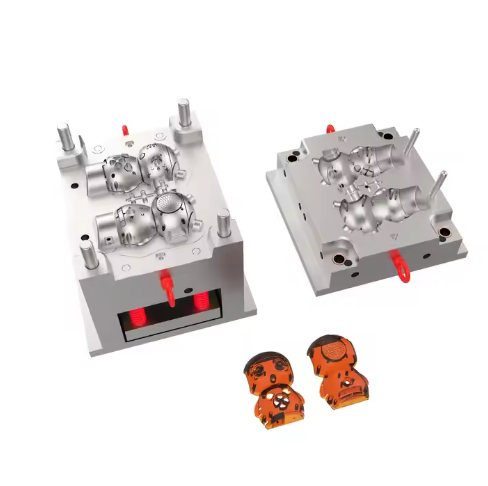
The world of infant play is built on imagination, development, and, most importantly, safety. At the heart of creating the perfect toys that foster growth and joy lies a critical component: the baby toy molds. This specialized tool is fundamental to manufacturing toys that are not only engaging but also entirely safe for the most delicate users. Understanding the intricacies of the Baby Toy Molds process is essential for anyone interested in how these beloved products come to life. This comprehensive guide will explore why the baby toy molds is so vital, the benefits of using steel, and how it contributes to superior toy quality.
What is a Baby Toy Mold?
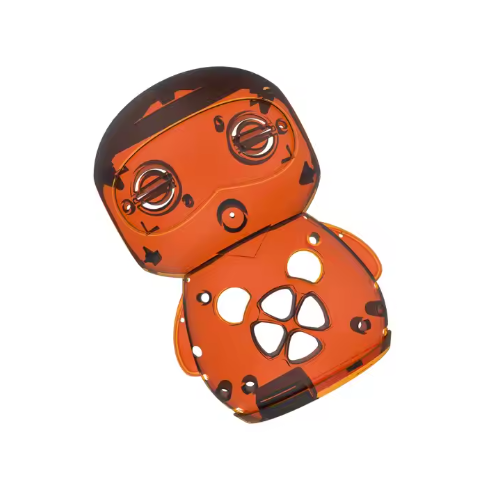
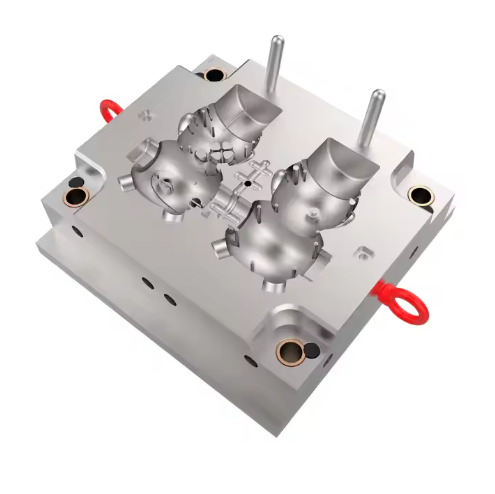
A baby toy molds is a precision-engineered cavity, typically made from a robust material like steel, into which food-grade, non-toxic plastics or rubbers are injected under high pressure. Once the material cools and solidifies, it takes the exact shape of the mold, forming a toy part. Every rattle, stacking ring, teether, and activity block begins its life within a meticulously crafted baby toy molds. The design and construction of the baby toy molds directly influence the toy’s final appearance, texture, structural integrity, and safety.
The Unmatched Advantages of Steel in Baby Toy Mold Construction
When it comes to manufacturing, the choice of material for the baby toy molds is a decision that reverberates through the entire production process and the quality of the final product. Steel stands as the premier material for several compelling reasons:
- Exceptional Durability and Longevity: Steel is incredibly hard-wearing. A steel baby toy molds can withstand the immense pressure and high temperatures of injection molding for millions of cycles without significant wear or deformation. This durability ensures that every toy produced from the same mold is identical in quality, from the first one to the one-millionth. Investing in a steel baby toy molds is a long-term strategy for consistent production.
- Superior Surface Finish: The surface of a steel baby toy molds can be polished to a mirror-like finish. This is crucial for infant toys, as it translates into an incredibly smooth, seamless surface on the final product. There are no microscopic grooves or imperfections that could harbor bacteria, pinch delicate skin, or create rough edges. A high-polish steel baby toy molds guarantees a safe, tactilely pleasing toy that parents can trust.
- Precision and Complexity: Steel allows for machining with extremely tight tolerances. This precision is necessary for creating the intricate details that captivate babies—think subtle animal features, perfect geometric shapes, and secure interlocking parts. Furthermore, steel’s strength enables the creation of complex mold designs with sophisticated moving parts, allowing for more innovative and engaging toy designs from a single baby toy molds.
- Resistance to Corrosion and Damage: High-grade steels are often treated to be resistant to rust and corrosion. This is vital for maintaining the integrity of the baby toy molds over time, especially as some plastics may release minute amounts of moisture during the cooling process. A corrosion-resistant baby toy mold ensures a longer lifespan and protects the manufacturer’s investment.
Safety First: How a Baby Toy Mold Protects Your Little One
The primary concern for any infant product is safety, and the baby toy mold is the first line of defense. Here’s how:
- Preventing Sharp Edges: The precision and superior finish of a steel baby toy mold ensure that every toy part ejects cleanly without burrs, flashes, or sharp edges. This eliminates a major physical hazard for babies who explore with their hands and mouths.
- Ensuring Structural Integrity: A well-made baby toy mold produces parts with uniform wall thickness and no weak points. This prevents the toy from breaking easily during use, which could create small, swallowable chunks. The durability of the mold itself ensures this structural consistency is maintained for the entire production run.
- Facilitating Easy Cleaning: Toys made from a high-quality baby toy mold have non-porous, seamless surfaces. This makes them easy to clean and sterilize, preventing the buildup of germs and mold—a critical factor for items that spend so much time in a baby’s mouth.
The Journey of a Toy: From Baby Toy Mold to Playroom
The process begins long before the molding machine is turned on. It starts with expert designers and engineers creating a 3D model of the toy. This digital model is used to machine the negative cavity of the baby toy mold from a solid block of steel—a process requiring immense skill and precision. Once the mold is crafted and polished, it is installed in an injection molding machine.
Plastic pellets are heated into a liquid state and injected into the baby toy mold under high pressure. The material fills every detail of the cavity before being cooled rapidly. The mold then opens, and the newly formed toy part is ejected, ready for assembly, painting with child-safe inks, and packaging. At every step, the quality of the initial baby toy mold is what dictates the quality of the outcome.
Innovation in Baby Toy Mold Design
The industry is constantly evolving, and baby toy mold design is at the forefront of this innovation. Modern molds can incorporate features for:
- Overmolding: Using a single baby toy mold to create a part with multiple materials, like a soft, chewable silicone teether over a hard plastic ring.
- Texture Creation: Laser etching on the mold surface can impart delightful textures onto the toy, stimulating a baby’s sense of touch.
- Sustainability: Efficient mold design minimizes material waste by ensuring precise shot volumes and enabling the use of recycled, baby-safe plastics.
Choosing Quality: Why the Baby Toy Mold Matters to You
For retailers and consumers alike, understanding the importance of the baby toy mold is key to selecting the best products. Toys born from a high-precision steel baby toy mold represent a commitment to safety, durability, and developmental value. They are products built to last, to be chewed on, thrown, and loved, all while remaining perfectly safe.
In conclusion, the humble baby toy mold is far more than just a manufacturing tool; it is the foundation upon which safe, durable, and enchanting infant toys are built. The decision to use a steel baby toy mold reflects a unwavering dedication to quality that resonates with parents and caregivers worldwide. When you choose a toy created with such care and precision, you are choosing more than just a plaything; you are choosing a product designed to nurture and protect during the most important stages of a child’s life.
FAQ
Q1: What is the service life of baby toy molds?
A1: High-quality steel molds can last 500,000-1,000,000 cycles, 5-10 times longer than traditional plastic molds. H13 steel (50-54HRC) can reach 1,000,000 cycles with proper maintenance, while S7 steel (52-58HRC) ranges from 500,000 to 800,000 cycles, depending on steel type, heat treatment process, and maintenance level.
Q2: What is the cost-effectiveness of steel molds?
A2: Initial investment is 30%-50% higher than plastic molds, but long-term costs are 60% lower. For annual production of 100,000 toys: plastic molds require replacement every 2 years, resulting in ~$2,400 total cost over 15 years; steel molds last 15 years with ~$1,200 total cost, showing significant savings.
Q3: How is the environmental performance?
A3: Made from 100% recyclable medical-grade steel, reducing carbon emissions by 25% during production. Scrap molds can be fully recycled, complying with EU RoHS and Chinese environmental regulations, supporting green manufacturing trends.
Q4: How to select mold steel types?
A4: Recommended options include H13 steel (excellent high-temperature stability for mass production), S7 steel (superior impact resistance for toys with moving parts), and P20 steel (pre-hardened, cost-effective for small-to-medium batches).