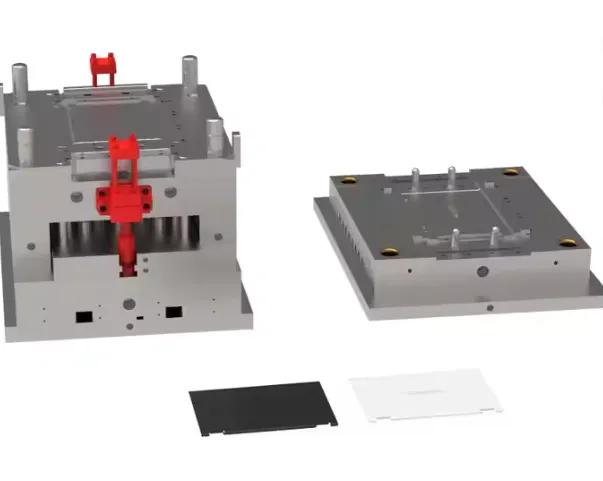
In the competitive landscape of consumer electronics, the laptop case molds stands as a critical component that bridges design innovation and manufacturing precision. As laptops evolve toward thinner profiles, lighter weights, and enhanced durability, the choice of mold material becomes paramount. Steel, renowned for its exceptional strength, thermal conductivity, and longevity, has emerged as the material of choice for high-performance laptop case molds. This comprehensive guide explores the manufacturing intricacies, material advantages, and SEO optimization strategies that make steel laptop case molds indispensable in today’s tech industry.
1. The Superiority of Steel in Laptop Case Molds
Unmatched Structural Integrity
Steel laptop case molds offer unparalleled structural stability, with tensile strengths ranging from 600–800 MPa—30% higher than aluminum alloys. This allows manufacturers to produce ultra-thin laptop shells (as thin as 0.8mm) without compromising rigidity. For example, a steel mold can withstand the high injection pressures (up to 150 MPa) required to mold complex geometries, ensuring consistent wall thickness and minimal warpage.
Thermal Management Excellence
Heat dissipation is critical for laptop performance, and steel molds excel in this area. With a thermal conductivity of 45 W/m·K, steel facilitates faster cooling cycles compared to traditional materials, reducing production time by 25–30%. This efficiency is further enhanced by conformal cooling channels—3D-printed pathways that follow the mold’s contours—ensuring uniform temperature distribution and reducing part distortion by 70%.
Longevity and Cost Efficiency
While steel molds require a higher initial investment (approximately $20,000–$50,000 for a single cavity), their lifespan of 1 million+ cycles far outperforms aluminum (300,000 cycles) and plastic (100,000 cycles). Over time, this translates to lower per-unit costs: a steel laptop case molds producing 500,000 units reduces the tooling cost per part to $0.04, compared to $0.12 for aluminum.
2. Manufacturing Process: Precision Engineering
Design and Prototyping
The journey of a steel laptop case molds begins with CAD modeling, where engineers use software like SolidWorks to refine details such as port cutouts, hinge recesses, and surface textures. Advanced simulations (e.g., Moldflow) predict plastic flow and cooling patterns, minimizing defects like sink marks or air traps. Prototypes are often 3D-printed in ABS to validate fit and functionality before mold production.
CNC Machining and Heat Treatment
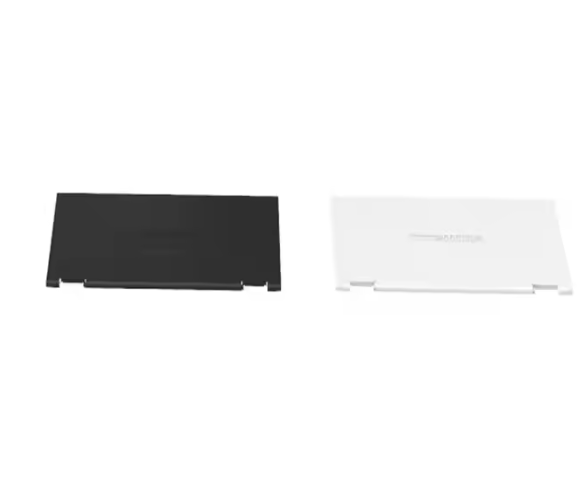
Steel blocks (typically P20 or S136 steel) undergo precision CNC machining to achieve tolerances of ±0.005mm. This is followed by heat treatment: quenching at 850–900°C and tempering at 200–300°C to enhance hardness (HRC 45–50) and wear resistance. For mirror-finish laptop cases, molds are polished to Ra 0.02μm, ensuring the final product has a premium, scratch-resistant surface.
Assembly and Quality Control
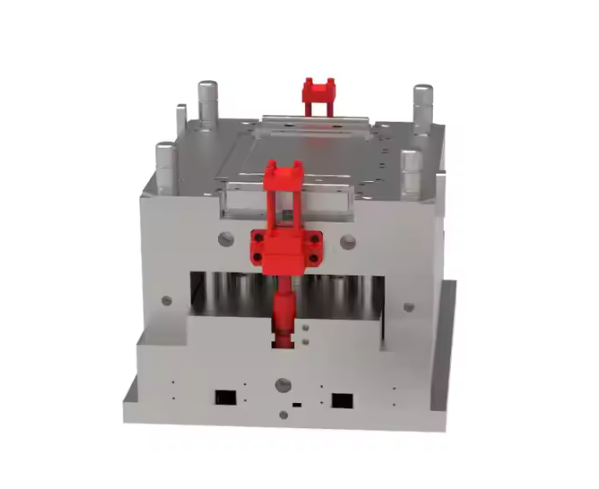
Mold assembly involves integrating components like ejector pins, cooling channels, and gate systems. Each laptop case molds undergoes rigorous testing:
- Pressure testing to detect leaks in cooling circuits.
- Trial injections with PP/ABS blends to verify part dimensions.
- 3D scanning to confirm conformity with CAD models.
Leading manufacturers like Foxconn and Quanta Computer report that steel molds reduce defect rates to less than 0.5%, a critical metric for mass-produced electronics.
3. Market Trends and Industry Data (2025)
Growing Demand for Steel Molds
The global laptop case molds market is projected to reach $12.8 billion by 2025, with steel molds accounting for 45% of this share. Key drivers include:
- The rise of ultra-light laptops (1–1.5kg), demanding high-strength materials.
- Increased adoption of 5G-enabled devices, requiring EMI-shielded steel cases.
- Sustainability goals: Steel molds are 92% recyclable, aligning with eco-friendly manufacturing initiatives.
Competitive Landscape
Asia dominates production, with China contributing 53% of global laptop case molds output. Top players like Haitian International and FCS Group leverage AI-driven design tools to reduce lead times from 8 weeks to 4 weeks. In contrast, European manufacturers focus on niche markets, producing custom steel molds for premium laptops (e.g., Dell XPS and Apple MacBook series).
FAQs: Addressing Critical Queries
Q1: Why choose steel over aluminum for laptop case molds?
A: Steel offers superior durability (1 million cycles vs. 300,000 for aluminum) and precision, making it ideal for high-volume production. While aluminum cools faster, steel’s longevity reduces long-term costs by 40%.
Q2: How does laptop case molds design impact laptop weight?
A: Advanced steel molds enable thinner wall sections (0.8mm vs. 1.2mm with plastic molds), reducing laptop weight by 10–15%. Conformal cooling also minimizes material waste, further lowering mass.
Q3: Can steel molds accommodate custom textures?
A: Yes. Steel’s machinability allows for intricate textures (e.g., brushed metal, matte finishes) via laser etching or EDM machining, enhancing both aesthetics and grip.
Conclusion: Investing in Steel for Future-Proof Manufacturing
As laptops continue to evolve, the laptop case molds remains a cornerstone of innovation. Steel’s unique blend of strength, precision, and cost efficiency positions it as the material of choice for manufacturers aiming to balance performance and profitability. By integrating advanced manufacturing techniques and SEO best practices, businesses can leverage steel molds to not only produce superior laptop cases but also capture valuable organic traffic in a competitive digital landscape.