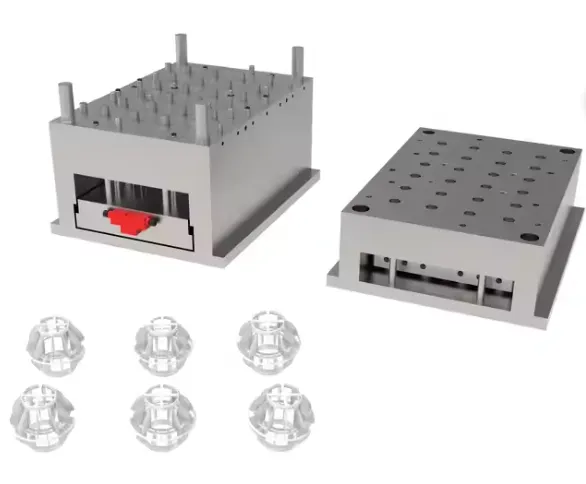
In an era where water scarcity and environmental regulations drive industrial innovation, the purification ball has emerged as a critical component in modern water treatment systems. These spherical devices, designed to remove contaminants like heavy metals, organic compounds, and sediments, rely on precision-engineered molds to ensure consistency and performance. As the global water treatment market expands at a CAGR of 6.1%—projected to reach $187.8 billion by 2031—understanding the design, manufacturing, and maintenance of purification ball molds becomes essential for manufacturers and facility operators alike. This guide explores the technical nuances, applications, and best practices for these specialized molds, ensuring your operations align with industry standards and sustainability goals.
The Role of Purification Balls in Modern Water Treatment
Purification balls are versatile tools used across municipal, industrial, and residential water systems. Made from materials like ceramic, activated alumina, or high-density polyethylene (HDPE), they function through adsorption, ion exchange, or catalytic reactions to purify water. For example, ceramic purification balls infused with tourmaline release far-infrared radiation to break down water molecules, while activated alumina variants excel at fluoride removal. The effectiveness of these purification balls hinges on their uniform shape, porosity, and surface texture—all dictated by the precision of their molds.
In industrial settings, purification balls are indispensable for treating wastewater from oil refineries, chemical plants, and food processing facilities. A single wastewater treatment plant can require thousands of purification balls annually, making mold durability and production efficiency critical cost factors. Municipal systems, too, rely on purification balls to meet stringent drinking water standards, such as the EPA’s 10 ppb arsenic limit in the U.S.
Design and Manufacturing of Purification Ball Molds
Precision Engineering for Consistent Performance
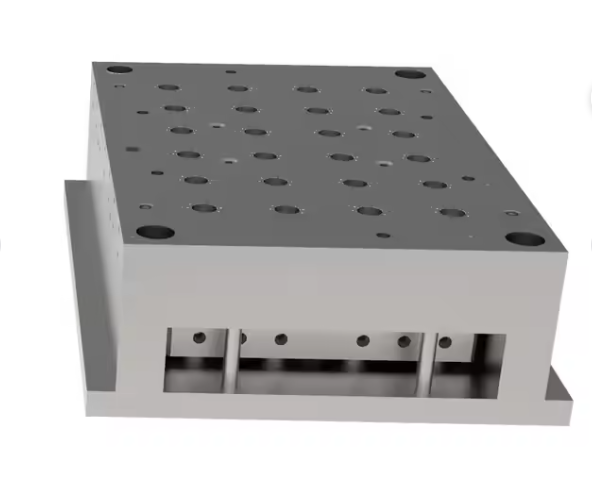
Purification ball molds are engineered to produce spheres with tight tolerances—typically ±0.1mm for diameter and ±0.05mm for roundness. This precision ensures uniform water flow through the purification balls, maximizing contact time with contaminants. Advanced molds incorporate conformal cooling channels to reduce cycle times by 20-30%, a key advantage in high-volume production.
Material Selection: Balancing Durability and Cost
While mold materials must withstand high injection pressures (up to 180 MPa) and repeated thermal cycles, modern designs prioritize durable alloys with corrosion-resistant coatings. These materials ensure mold lifespans of 500,000+ cycles, even when producing chemically reactive purification balls. For example, molds for ceramic purification balls often use heat-treated alloys to withstand sintering temperatures exceeding 1200°C.
3D Printing and Additive Manufacturing
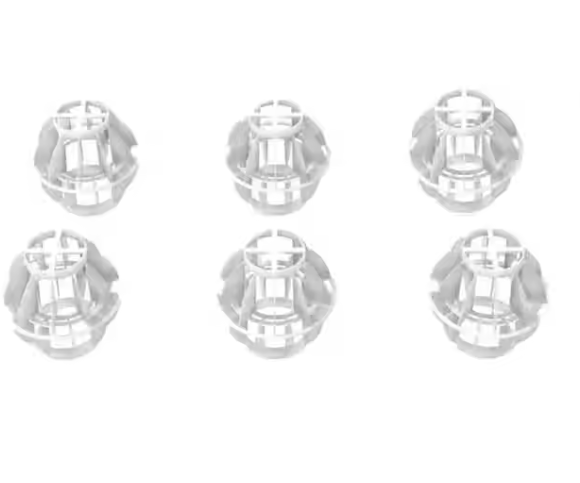
Innovative manufacturers are adopting 3D printing for mold prototyping, reducing lead times from weeks to days. This technology allows for complex geometries, such as lattice internal structures in purification balls that enhance adsorption efficiency. A case study by a leading mold maker showed that 3D-printed molds reduced design iterations by 40% when developing a new generation of bio-ceramic purification balls.
Applications Across Industries
Municipal Water Treatment
Municipal facilities use purification balls in filtration systems to remove chlorine, heavy metals, and organic matter. For instance, a water treatment plant in California upgraded to ceramic purification balls in 2024, reducing chemical usage by 15% while improving water clarity. The molds for these purification balls featured multi-cavity designs, producing 12 spheres per cycle to meet the plant’s 50,000-unit monthly demand.
Industrial Wastewater Remediation
Oil and gas refineries rely on purification balls to treat produced water, removing hydrocarbons and salts. A Texas refinery implemented HDPE purification balls in 2023, achieving a 98% oil removal rate. The molds for these purification balls included specialized venting systems to prevent air bubbles, ensuring consistent wall thickness and structural integrity.
Residential and Commercial Systems
Residential water purifiers use small-diameter purification balls (φ10-20mm) to improve taste and safety. Manufacturers of these systems prioritize mold interchangeability, allowing quick switches between purification ball sizes for different filter models. A leading home appliance brand reported a 25% reduction in production costs after adopting modular molds for their purification ball lineup.
Maintenance and Longevity of Purification Ball Molds
Routine Care for Optimal Performance
To extend mold life, regular maintenance is critical:
- Cleaning: After each production run, remove resin residues with non-abrasive solvents to prevent buildup.
- Corrosion Protection: Apply rust inhibitors to cooling channels, especially when molds are idle for extended periods.
- Inspection: Check for wear on cavity surfaces and ejector pins; replace components at 80% of their rated lifespan to avoid unexpected downtime.
Troubleshooting Common Issues
- Flash Formation: Caused by misaligned mold halves; resolve by adjusting clamping force or replacing worn guide pins.
- Shrinkage: Compensate by optimizing cooling time or adjusting resin temperature—key for purification balls with thick walls.
- Surface Defects: Polish cavity surfaces to maintain the smooth finish required for purification ball efficiency.
FAQ: Everything You Need to Know About Purification Ball Molds
Q1: What is the typical lifespan of a purification ball molds?
A: With proper maintenance, high-quality molds can produce 500,000-1,000,000 purification balls. Ceramic molds may have shorter lifespans (300,000+ cycles) due to higher operating temperatures.
Q2: Can purification ball molds be customized for unique purification ball designs?
A: Yes. Purification ball molds can be tailored for specialized purification balls, such as those with internal channels or surface coatings. 3D printing enables rapid customization for prototyping.
Q3: What materials are best for purification balls in high-salt environments?
A: HDPE purification balls are ideal for saltwater applications, as they resist corrosion. Molds for HDPE spheres use low-friction coatings to prevent resin sticking.
Q4: How do purification ball molds designs impact purification ball performance?
A: Uniform wall thickness ensures consistent flow through the purification ball, while porosity is controlled via mold cavity surface texture. Poor mold precision can lead to uneven contaminant removal.
Q5: What are the sustainability benefits of modern purification ball molds?
A: Energy-efficient cooling systems reduce carbon footprints, while recyclable mold materials align with circular economy goals. Some manufacturers now offer take-back programs for end-of-life molds.
Conclusion: Driving Innovation in Water Treatment
As global water scarcity intensifies, the demand for efficient purification ball molds will only grow. By prioritizing precision design, durable materials, and proactive maintenance, manufacturers can meet this demand while adhering to strict environmental regulations. Whether for municipal systems or industrial plants, the right purification ball molds is the foundation of reliable, cost-effective water treatment—ensuring clean water for communities and industries worldwide.
>>You may also like
Standards & References
The following industry standards are referenced in this article: