
In today’s rapidly evolving automotive manufacturing industry, bumpers, as an indispensable part of vehicle safety systems, have their design and production quality directly affecting the overall safety performance of the vehicle. Bumper molds, being the core tools in the bumper manufacturing process, play a crucial role in determining the quality and performance of bumpers.
Mold Design Concepts
Balancing Functionality and Aesthetics:As an important part of the vehicle’s exterior, the bumper’s design must meet both aesthetic and functional requirements. In designing molds, I strive to find the balance between appearance and structure, ensuring that bumpers provide safety protection while maintaining smooth lines and an attractive appearance.
High Precision Requirements:To ensure the dimensional accuracy and surface quality of bumpers, mold design must meet high precision standards. By using advanced CAD/CAM software for 3D modeling and simulation analysis, I can significantly improve the precision and reliability of mold designs.
Durability Design:Since bumper molds often operate in high-temperature and high-pressure environments, I consider their durability during the design phase. Reasonable structural design and material selection can extend the mold’s service life, reducing maintenance and replacement frequency.
Manufacturing Processes
Mold Design
Using professional mold design software, perform three-dimensional modeling and analysis based on customer-provided bumper drawings or data to determine the structure and dimensions of the mold. During the design process, factors such as material performance, production process requirements, and mold lifespan must be fully considered.
Material Preparation
Select suitable mold steel and other auxiliary materials according to the mold design requirements. Commonly used mold steels include Cr12MoV, 40Cr, etc. These steels possess good hardness, toughness, and wear resistance, meeting the usage requirements of the mold. Other auxiliary materials such as guide posts, guide sleeves, and springs also need to be prepared.
Machining and Manufacturing
- Rough Machining: Use CNC machines, milling machines, and other equipment to rough machine the mold steel, removing excess material to form the basic shape of the mold. It is necessary to control machining accuracy and surface quality during rough machining to lay a good foundation for subsequent finishing processes.
- Finishing: On the basis of rough machining, use precision grinding machines, EDM machines, and other equipment to finely machine the mold, further improving its dimensional accuracy and surface quality. Strict control of parameters and processes is required during finishing to ensure the mold meets design specifications.
- Heat Treatment: To enhance the hardness and wear resistance of the mold, heat treatment is necessary. Common methods include quenching and tempering. During heat treatment, parameters like heating temperature, holding time, and cooling speed must be controlled to achieve the desired mold performance.
- Assembly and Debugging: Assemble the processed mold components and conduct debugging. During this process, check whether the mold meets various performance indicators such as dimensional accuracy and operational flexibility. Any non-conforming aspects require repair or adjustment.
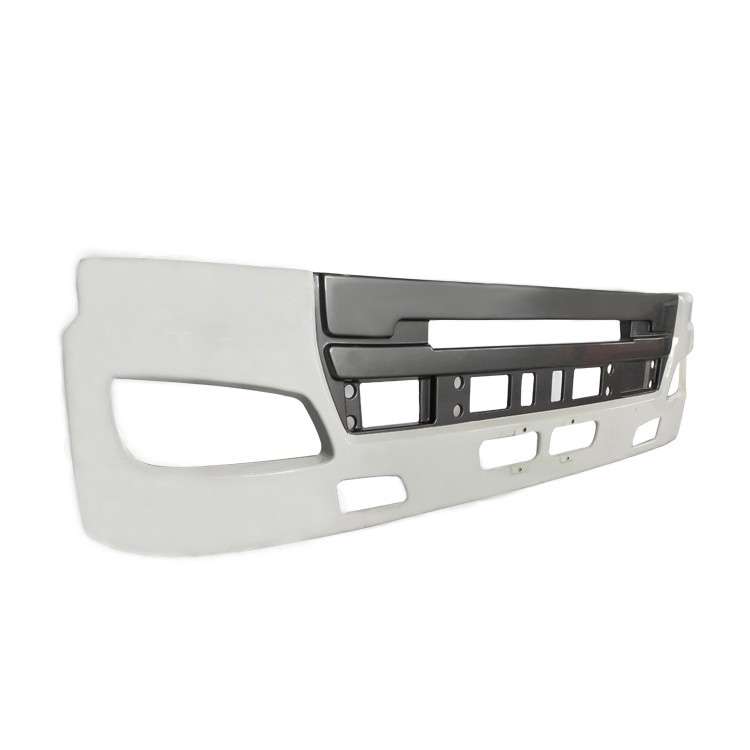

Key Technologies in Mold Design and Manufacturing
CAD/CAM Technology:CAD/CAM technology is widely used in mold design and manufacturing. Through CAD software for 3D modeling, I can intuitively present mold structures and shapes, conduct simulation analyses, and resolve potential issues. CAM software translates designs into CNC codes, guiding CNC equipment for high-precision machining, thus improving manufacturing efficiency and quality.
Computer Simulation Technology:Computer simulation technology in mold design primarily focuses on simulating the forming process. By using finite element analysis and fluid dynamics simulation, I can predict potential defects like uneven flow, bubbles, and deformation during the forming process and address them through optimized design, improving forming quality.
Precision Machining Technology:Precision machining technology is key to ensuring high-precision molds. Using high-speed milling, ultra-precision grinding, and EDM, I can achieve micron-level machining accuracy, meeting the demands of high-precision mold manufacturing.
What are the common types of bumper molds?
Common bumper mold types include injection molds, die-casting molds, composite material molds, thermoplastic molds, multi-cavity molds, and quick-change mold systems. Injection molds are used for molding plastic bumpers, while die-casting molds are mainly for metal bumpers. Composite material molds are suitable for forming fiberglass or carbon fiber composite bumpers. Thermoplastic molds are used for thermoplastic bumpers, which can be produced in large quantities. Multi-cavity molds can form multiple parts simultaneously, improving production efficiency, and quick-change mold systems are designed for rapid mold changes, enhancing production line flexibility. These molds each have their advantages and are suitable for different materials and production needs, ensuring the production of high-quality bumper products.
Why is the design and manufacturing of bumper molds so important?
The design and manufacturing of bumper molds are vital to ensure that bumpers can provide sufficient protection by absorbing and mitigating impact forces during collisions. Additionally, mold design directly impacts production efficiency and cost control. Therefore, high-quality mold design and manufacturing are indispensable elements within the automotive industry.