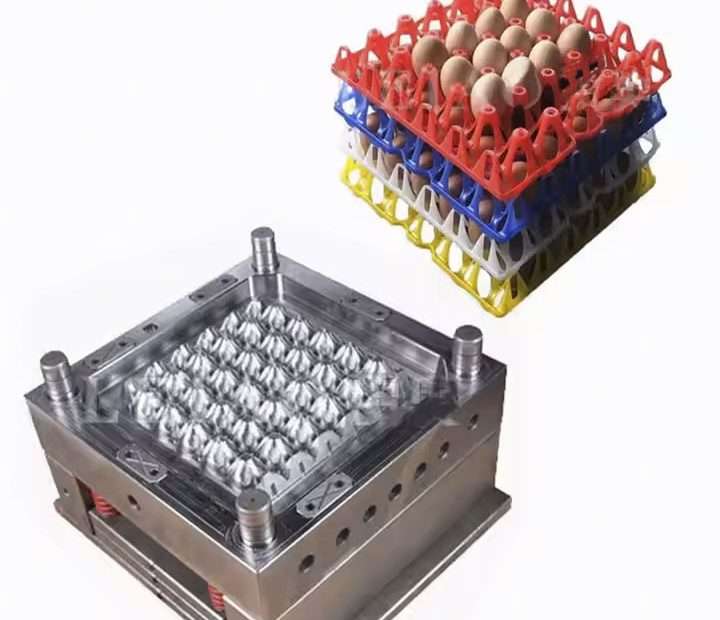
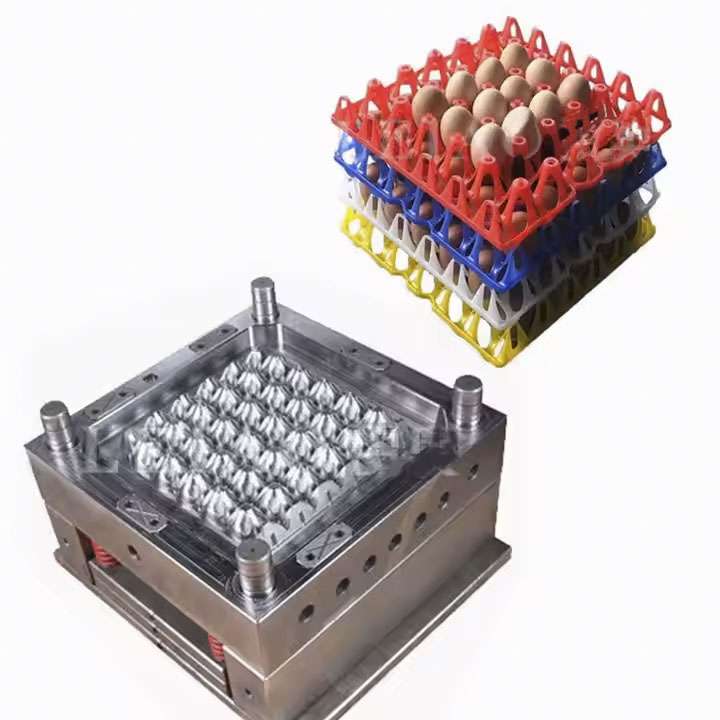
Plastic egg trays are widely used for packaging and transporting eggs, with their primary function being to protect the eggs during handling and storage. The design and manufacturing of plastic egg tray molds directly affect the quality and performance of the egg trays.
Design Principles Of Plastic Egg Tray Molds
Structural Design: We consider the support and protection functions when designing the structure of plastic egg trays. The grooves must be precisely designed to ensure that eggs can be securely placed and not roll around. Additionally, the bottom of the egg tray should have some cushioning capability to absorb vibrations and shocks during transportation. Our mold designers use Computer-Aided Design (CAD) software to accurately model and analyze the structure, ensuring reliability in actual use.
Aesthetic Design: While the primary purpose of egg trays is to protect and store eggs, their appearance also matters. An attractive design can enhance market competitiveness and increase consumer purchase intent. Our designers consider the shape, color, and surface texture to achieve a balance between functionality and aesthetics.
Practical Design: Practicality is a key factor in egg tray design. Standardized sizes are necessary for compatibility with various packaging and transportation systems. The egg trays should also be stackable for convenient storage and transport. Our mold designers continually optimize the design to enhance the practicality and convenience of the egg trays.
What manufacturing processes are used in the production of Plastic Egg Tray Molds?
The production process of plastic egg trays primarily involves the following manufacturing techniques:
Mold Manufacturing:
- Mold Design: Our designers use Computer-Aided Design (CAD) software to create detailed mold designs, ensuring rational structure and precise dimensions.
- Material Selection: We select high-strength steel or aluminum to ensure the molds do not deform during use.
- Processing Techniques: We employ advanced techniques such as CNC machining and Electrical Discharge Machining (EDM) to ensure high precision and smooth surfaces.
- Assembly and Debugging: After processing, we assemble and debug the molds to ensure tight fitting and smooth operation.
Injection Molding: We use injection molding as the primary method for producing plastic egg trays. Under high temperatures, plastic pellets melt and are injected into molds, forming the egg trays’ parts after cooling and solidifying. Injection molding is efficient, cost-effective, and suitable for mass production.
Surface Treatment: After manufacturing, we perform surface treatments on plastic egg trays. Common methods include:
Coating: We apply protective coatings to enhance the trays’ appearance and durability.
Painting: We paint the trays to improve their visual appeal and add protective layers against water, dust, and corrosion.
Thermal Transfer Printing: We use thermal transfer printing to add patterns or text to the trays, increasing their aesthetic appeal.
Quality Inspection: Finally, we conduct rigorous quality inspections on the egg trays to ensure each product meets design requirements and quality standards. Inspections include measuring dimensions, checking appearance, and testing functionality. Strict quality control ensures the stability and reliability of our products.
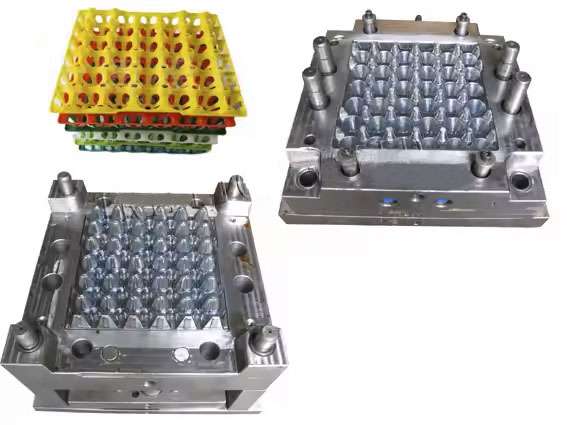
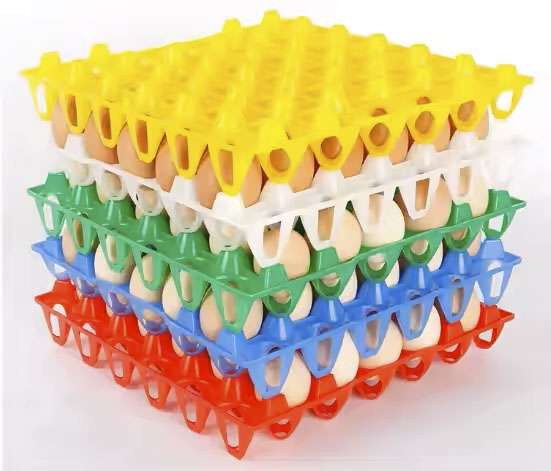
Benefits of Plastic Egg Trays
Plastic egg trays offer numerous significant advantages, making them the ideal choice for packaging and transporting eggs:
- Strong Protection: Plastic egg trays provide excellent cushioning and strength, effectively protecting eggs from damage during handling and storage, reducing breakage rates.
- Lightweight and Durable: Plastic materials are lightweight, making them easy to handle and operate. We ensure that plastic egg trays are highly durable, allowing for long-term use in various environments without easily getting damaged.
- Waterproof and Moisture-resistant: Plastic has excellent waterproof properties, preventing eggs from getting damp or water-affected, keeping them dry and fresh.
- Easy to Clean: The smooth surface of plastic makes it difficult for dust and dirt to accumulate, ensuring that cleaning is very convenient.
- Cost-effective: The production cost of plastic egg trays is relatively low, making them suitable for mass production, which effectively reduces packaging and transportation expenses.
- Stackable Design: We design plastic egg trays to be stackable, facilitating storage and transportation, thereby increasing warehouse and logistics efficiency.
- Eco-friendly Materials: Many plastic egg trays are now made from biodegradable and recyclable materials, helping to reduce environmental pollution and promoting sustainable development.
- Variety of Options: We customize plastic egg trays in different colors, sizes, and shapes to meet diverse market needs.
Can the egg tray mold be customized?
We are a professional manufacturer specializing in custom egg tray molds, dedicated to providing a wide range of egg tray customization services. Whether you need plastic egg trays, pulp egg trays, or environmentally friendly egg trays made from special materials, we can design and produce them according to your requirements. Our team has extensive experience and advanced equipment, ensuring the precision and quality of each egg tray mold. We focus not only on functionality and practicality but also on innovative design to meet diverse market needs.
>>You may also like
injection tooling
Standards & References
The following industry standards are referenced in this article: