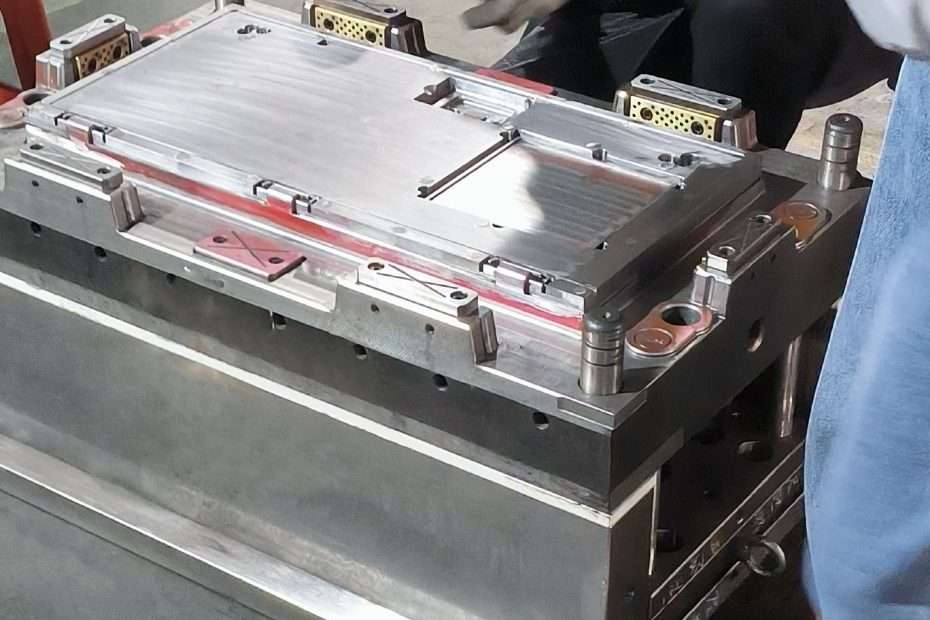
Molds are the core equipment in the manufacturing industry, directly affecting product quality and production costs. During mold usage, various wear and damage are inevitable. Therefore, mold maintenance and repair are crucial to ensuring production stability and reducing production costs. This article discusses the necessity, common issues, specific methods, and the impact of mold maintenance and repair on production efficiency.
Importance of Mold Maintenance
Maintaining molds is essential for ensuring their long-term stable operation. Regular maintenance can prevent premature mold failure, extend its service life, and ensure product quality. Specifically, the importance of mold maintenance includes:
- Extending Mold Life: By regularly cleaning, lubricating, and inspecting molds, we can identify and resolve potential issues in time, preventing mold scrap due to cumulative wear and damage.
- Ensuring Product Quality: A well-maintained mold guarantees the dimensional accuracy and surface quality of the produced products, reducing the scrap rate and improving production efficiency.
- Reducing Production Costs: Properly maintained molds decrease downtime and repair costs due to faults, increasing equipment utilization and lowering production costs.
- Enhancing Production Efficiency: Regular maintenance prevents sudden failures, ensuring continuous and stable production, thereby enhancing overall production efficiency.
Common Mold Issues
During mold usage, common issues include wear, deformation, cracks, corrosion, and seizing. If not addressed promptly, these issues can affect mold performance and production quality. The following are specific descriptions of common mold problems:
- Wear: Continuous use causes varying degrees of wear on the mold surface, leading to decreased dimensional accuracy and affecting product quality.
- Deformation: High temperature and pressure environments can cause thermal or mechanical deformation of molds, resulting in misalignment.
- Cracks: Repeated mechanical and thermal stress during use can cause fatigue cracks in molds, which, if severe, can lead to mold breakage.
- Corrosion: Some chemicals can corrode mold materials, especially in humid environments, causing rust on the mold surface and shortening its lifespan.
- Seizing: Molds may seize during operation, preventing normal function and requiring downtime for resolution.
Mold Maintenance Methods
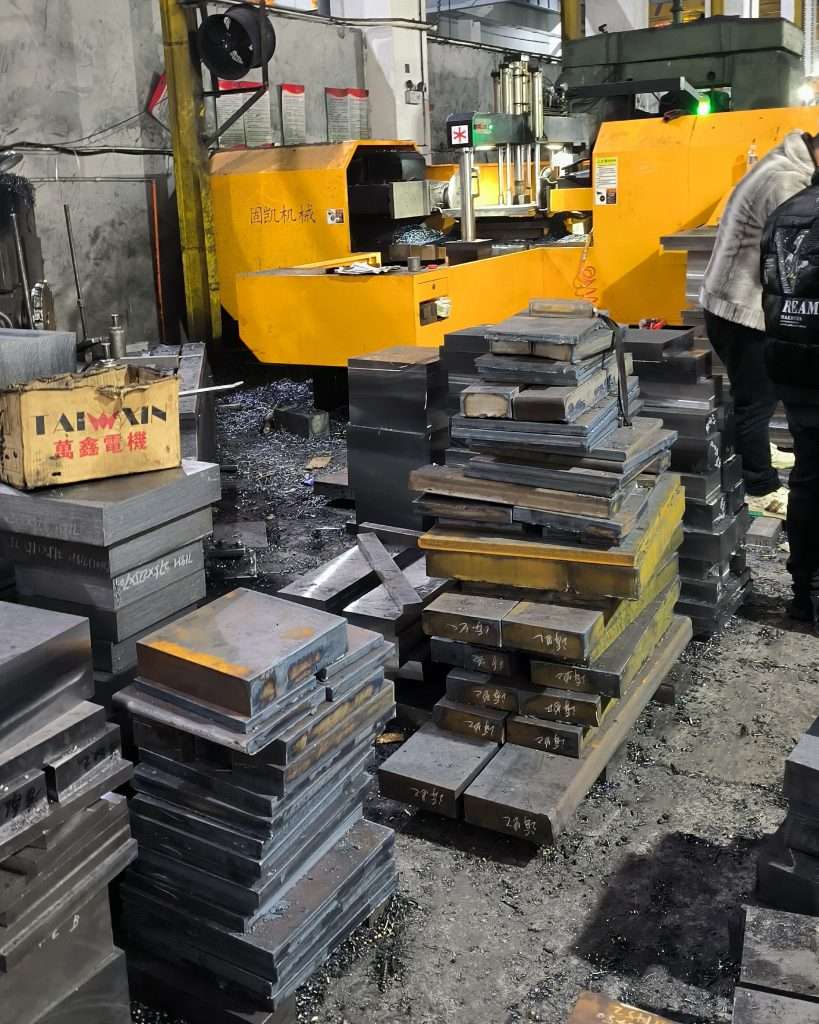
To address these common issues, we employ a series of maintenance measures to ensure the normal operation and longevity of molds. Common maintenance methods include:Regularly clean molds to remove surface impurities and residues, preventing wear and corrosion caused by accumulated dirt. Use specialized cleaning agents and tools to avoid secondary damage to the mold surface. Regularly lubricate moving parts of molds to reduce friction and wear. Choose appropriate lubricants and apply them timely to ensure effective lubrication. Regularly inspect various parts of molds. Focus on wear-prone and damage-prone areas like the working surface, guide pillars, and guide sleeves. Address issues promptly to prevent minor problems from escalating. For corrosion-prone mold parts, apply anti-corrosion treatments like chrome plating or rust-proof oil. In humid environments, use moisture-proof measures to prevent rust. Regularly check bolts and nuts to ensure they are securely fastened. This avoids damage or failure due to loosening.
Mold Repair Methods
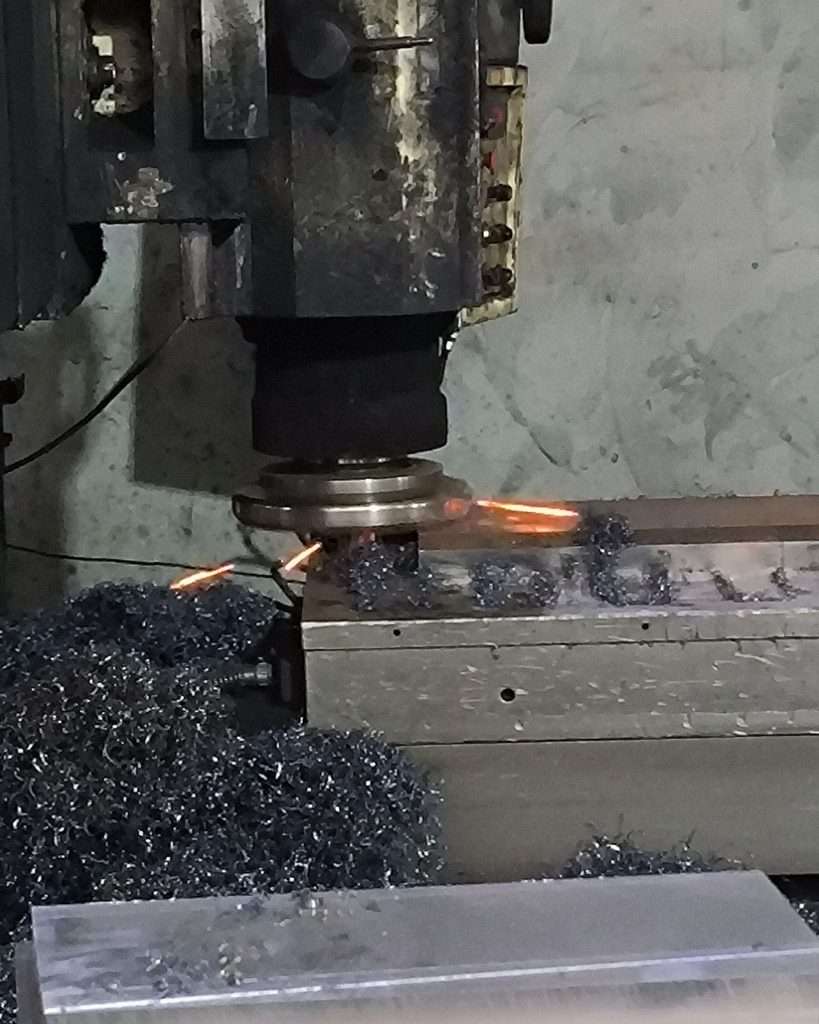
When molds suffer significant wear or damage, repair work is necessary. Proper repairs can restore mold functionality, extend its service life, and reduce the frequency of mold replacement. Common repair methods include:For minor surface wear and cracks, we use welding repair. After welding, precision machining ensures the repaired area’s dimensional accuracy and surface quality.For deformed or severely worn parts, we employ mechanical processes such as turning, milling, and grinding for repair. After repair, reheat treatment improves hardness and wear resistance of the repaired parts.For severely corroded surfaces, surface treatments like spraying or anti-corrosion coatings enhance corrosion resistance.For severely damaged and irreparable mold parts, replacing with new parts restores mold functionality. Ensure new parts meet original mold’s dimensional and performance requirements.For molds with reduced hardness after prolonged use, reheating restores hardness and wear resistance, extending mold life.
Conclusion
Mold maintenance and repair are indispensable in modern manufacturing. Through scientific maintenance and efficient repair techniques, we extend mold life, ensure product quality, improve production efficiency, and reduce production costs. Enterprises should prioritize mold maintenance and repair, establishing comprehensive maintenance systems and management practices to continuously enhance mold performance and support stable development.