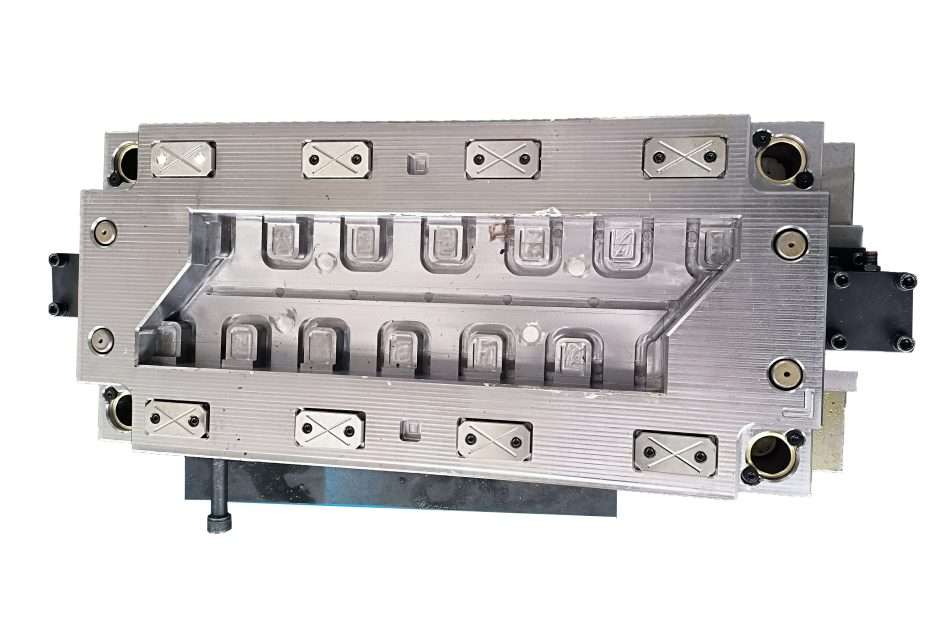
Fiberglass terminal blocks are electrical connectors widely used in power, communication, and industrial control fields. Their excellent performance and reliability make them effective in harsh environments. Producing high-quality fiberglass terminal blocks requires superior molds.
Manufacturing Process of Fiberglass Terminal Block Molds
- Designing the Mold:We start with designing the mold. Designers create an appropriate mold structure based on the specific needs of the terminal block. This includes determining the shape, size, and material selection. The quality of mold design directly impacts the product quality and production efficiency.
- Selecting Materials:We choose materials that directly affect the final product’s quality. Fiberglass offers corrosion resistance, light weight, and high strength. We typically select high-strength alloy steel or stainless steel for the molds. These materials ensure excellent mechanical properties and can withstand high temperatures and pressures.
- Pre-Processing:Before formal processing, we pre-process the mold material. This includes rough and semi-finished machining to remove excess material and shape the mold roughly. We use CNC machines or EDM (Electric Discharge Machines) to ensure precision and efficiency.
- Fine Processing:After pre-processing, we proceed with fine machining. Using high-precision equipment like CNC machines and grinders, we ensure the mold surface’s smoothness and dimensional accuracy. We meticulously control machining parameters like cutting speed and feed rate.
- Heat Treatment:We perform heat treatment to enhance the mold’s hardness and wear resistance. Common methods include quenching, tempering, and annealing. These processes alter the material’s internal structure to improve its mechanical properties and extend its lifespan.
- Polishing and Surface Treatment:Post-machining and heat treatment, we polish the mold to remove any fine scratches or defects. Using various polishing tools and compounds, we progressively improve the mold surface’s finish. We enhance corrosion resistance and aesthetics by applying special treatments like chrome plating or coating.
- Assembly and Testing:Once all processing steps are completed, we assemble and test the mold. During assembly, we check the fit and function of all components to ensure smooth operation. We conduct trial production during the testing phase to assess the mold’s performance and make necessary adjustments.

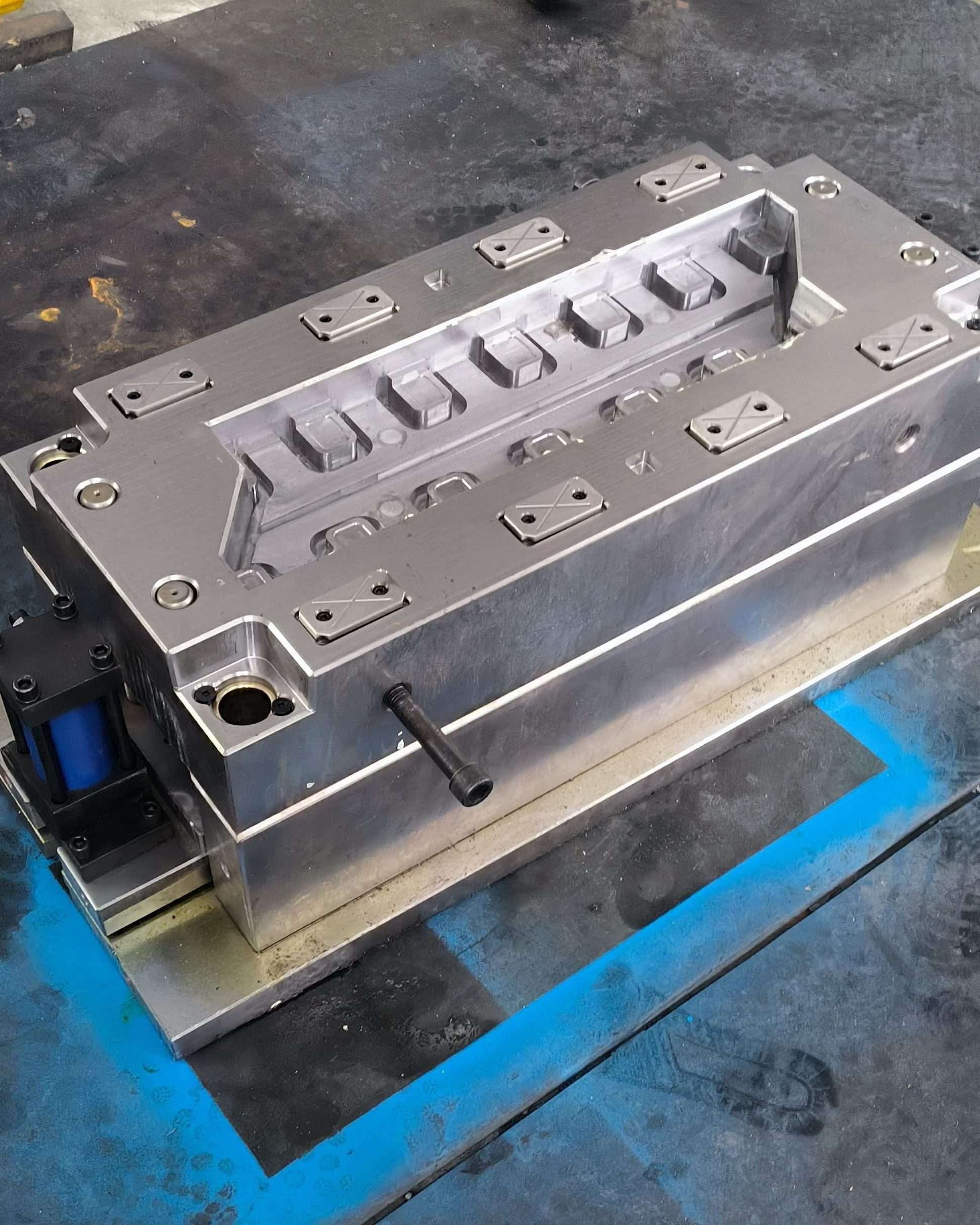
Applications of Fiberglass Terminal Block Molds
We use fiberglass terminal blocks extensively in power systems for connecting cables and electrical equipment. Their excellent insulation and corrosion resistance allow them to operate reliably in harsh environments, ensuring the safety and stability of power systems. In communication devices, we use fiberglass terminal blocks for signal transmission and equipment connections. Their superior electrical and mechanical properties ensure reliable, high-frequency, high-speed signal transmission.
Industrial control systems require robust electrical connectors. Fiberglass terminal blocks, known for their strength and durability, are ideal. We use them in automation equipment, control cabinets, and various industrial instruments for stable and reliable connections. We extensively use fiberglass terminal blocks in the transportation sector, particularly in rail and automotive manufacturing.Their lightweight and high-strength properties help reduce vehicle weight, improve fuel efficiency, and enhance performance. Renewable energy systems like wind and solar power rely heavily on electrical connectors. Fiberglass terminal blocks, with their excellent weather resistance, operate efficiently outdoors, ensuring the effectiveness of renewable energy systems.
Is the terminal block safe?
The safety of the terminal blocks depends mainly on their design, manufacturing process, material selection, and correct installation and use. We use high-quality terminal blocks with corrosion-resistant and high-quality bo’li’gang insulation materials to minimize the risk of electrical failure or short circuit.
During installation, we ensure that the connection is firm to prevent looseness or poor contact, and regularly inspect and maintain the terminal blocks to detect any potential problems as early as possible. Choosing terminal blocks suitable for harsh environments (such as high temperature, humidity or corrosive conditions) can ensure their long-term stable operation.
Enhancing Product Quality with Fiberglass Terminal Block Molds
Improving Product Consistency High-quality molds ensure the consistency of fiberglass terminal blocks in terms of size, shape, and performance. We meet design standards consistently and enhance overall product quality through precision machining and strict quality control.
Extending Product Lifespan Fiberglass terminal blocks produced from superior molds exhibit higher mechanical strength and wear resistance, functioning reliably in harsh environments for extended periods. We significantly enhance the durability and reliability of terminal blocks through fine machining and surface treatment.
Reducing Production Costs Efficient, stable molds improve production efficiency and reduce scrap rates, lowering production costs. The initial investment in molds quickly pays off through long-term high-efficiency production.
Enhancing Market Competitiveness High-quality fiberglass terminal blocks meet customers’ demands for high-performance, reliable connectors, boosting market competitiveness. Superior products earn customer trust and recognition in competitive markets.
Conclusion
Fiberglass terminal block molds play a pivotal role in modern industrial production. Through scientific design, precise machining, and stringent quality control, we produce high-quality fiberglass terminal blocks that meet the needs of power, communication, industrial control, and other fields. As technology advances, these molds will find broader applications, driving high-quality industrial development.
>>You may also like
Standards & References
The following industry standards are referenced in this article: